Welcome to Daniel Island, South Carolina
Best of Daniel Island 2026
Daniel Island sits just minutes from downtown Charleston, offering a rare combination of master-planned waterfront living and authentic Lowcountry charm. This 4,000-acre island community attracts young professionals, growing families, and retirees who want new construction homes, modern amenities, and a walkable town center without sacrificing access to Charleston's cultural offerings. The neighborhood blends New Urbanist design principles with Southern hospitality—wide sidewalks connect residential neighborhoods to parks, schools, and a bustling downtown area, while Spanish moss-draped live oaks and tidal marshes preserve the natural beauty that defines coastal South Carolina.
Unlike Charleston's historic peninsula where parking is scarce and homes often require significant renovation, Daniel Island delivers move-in-ready properties with contemporary floor plans, two-car garages, and community amenities that include pools, tennis courts, and miles of waterfront trails. The island draws young families seeking top-rated schools within walking distance, empty nesters downsizing from larger suburban homes, and professionals who value a 15-minute commute to downtown Charleston or a quick drive to Boeing's North Charleston campus.
History
Daniel Island remained largely undeveloped farmland until the 1990s, accessible only by boat and owned by the same families for generations. The island's transformation began in earnest in 1993 when the Guggenheimer family and Harry Frank acquired the property and commissioned renowned town planner Andrés Duany to design a New Urbanist community that would preserve the island's natural character while creating a self-contained neighborhood. Construction started in 1997, and the first residents moved into homes in 1999, marking the beginning of what would become one of the Southeast's most successful master-planned developments.
The Daniel Island Company carefully orchestrated the island's growth, building infrastructure before homes and establishing strict architectural guidelines that ensured visual consistency while allowing for diverse housing styles ranging from Charleston single houses to contemporary Lowcountry designs. By the early 2000s, the Family Circle Cup tennis tournament had moved to the island's purpose-built stadium, putting Daniel Island on the national map and accelerating residential development.
The recession slowed construction between 2008 and 2010, but the community rebounded quickly, and by 2015 most residential lots had been developed. Today, Daniel Island represents a rare example of successful New Urbanist planning in the South, having evolved from agricultural land to a thriving community of approximately 7,000 residents in just over two decades, all while maintaining the natural beauty and tidal ecosystems that made the island special.
Location & Geography
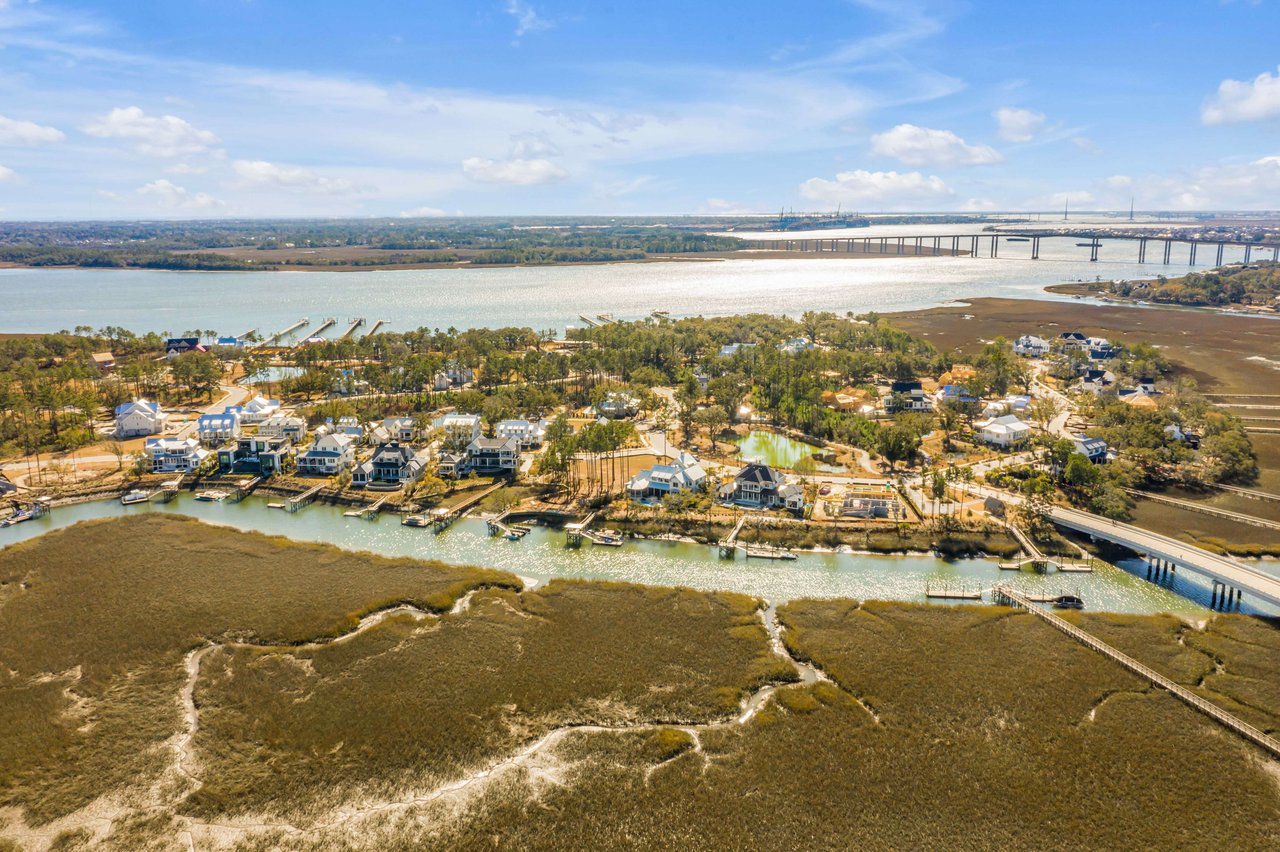
Daniel Island occupies a strategic position in the Charleston Harbor, bounded by the Cooper River to the west and the Wando River to the east, with access provided by two bridges—I-526 crosses the island's southern end while Daniel Island Drive connects to Clements Ferry Road on the mainland. The island sits approximately six miles northeast of downtown Charleston and 15 miles from Charleston International Airport, positioning residents between the historic peninsula and the rapidly developing Cainhoy Peninsula.
The terrain features gentle elevations ranging from sea level along tidal creeks to approximately 15 feet above sea level in residential areas, with much of the island's interior consisting of protected marshlands and tidal waterways that create natural boundaries and preserve wildlife habitat.
Daniel Island experiences a humid subtropical climate with hot, humid summers where temperatures regularly exceed 90°F and mild winters that rarely see freezing temperatures, making year-round outdoor activities feasible and contributing to the island's appeal for northern transplants.
The island's geography includes approximately 20 miles of shoreline, though much of this consists of tidal marsh and protected wetlands rather than accessible beaches, and the elevation throughout most residential areas provides natural flood protection superior to many other Charleston-area communities.
Live oaks, palmetto trees, and native maritime forests cover much of the undeveloped portions of the island, while the planned community sections feature manicured landscaping and tree-lined streets that create a parklike atmosphere throughout residential neighborhoods.
Real Estate Market Snapshot
Daniel Island's real estate market remains one of Charleston's most active, with median home prices reaching approximately $850,000 as of early 2025, reflecting strong demand for the island's limited inventory and desirable location. The market has experienced consistent appreciation over the past five years, with annual growth rates averaging 8-12% even as other Charleston submarkets cooled, driven by the island's finite land supply and continued demand from corporate relocations to the Charleston region.
Single-family homes currently spend an average of 30-45 days on market, significantly faster than the Charleston metropolitan average of 60+ days, while properties priced competitively and in move-in condition often receive multiple offers within the first two weeks. The island's new construction market remains robust despite higher interest rates, with builders like Toll Brothers, David Weekley, and Crescent Homes maintaining active communities where homes priced between $800,000 and $1.5 million sell steadily to buyers who value modern floor plans and builder warranties.
Resale inventory fluctuates seasonally but remains limited, with typically fewer than 100 active listings island-wide at any given time, creating a persistent seller's market where well-maintained homes sell quickly and often above list price. The upper-tier market for homes priced above $2 million moves more deliberately but still outperforms comparable luxury markets in Mount Pleasant and James Island, particularly for waterfront properties with deep-water access or homes backing to golf course fairways.
Condominiums and townhomes, which range from $400,000 to $750,000 depending on size and location, appeal to first-time buyers, young professionals, and downsizers seeking low-maintenance living with access to island amenities, and these properties typically sell within 45-60 days in normal market conditions.
Types of Homes Available
Daniel Island's housing stock reflects its master-planned development, offering predominantly new construction and newer homes built after 1999 in architectural styles that blend traditional Lowcountry aesthetics with contemporary design elements.
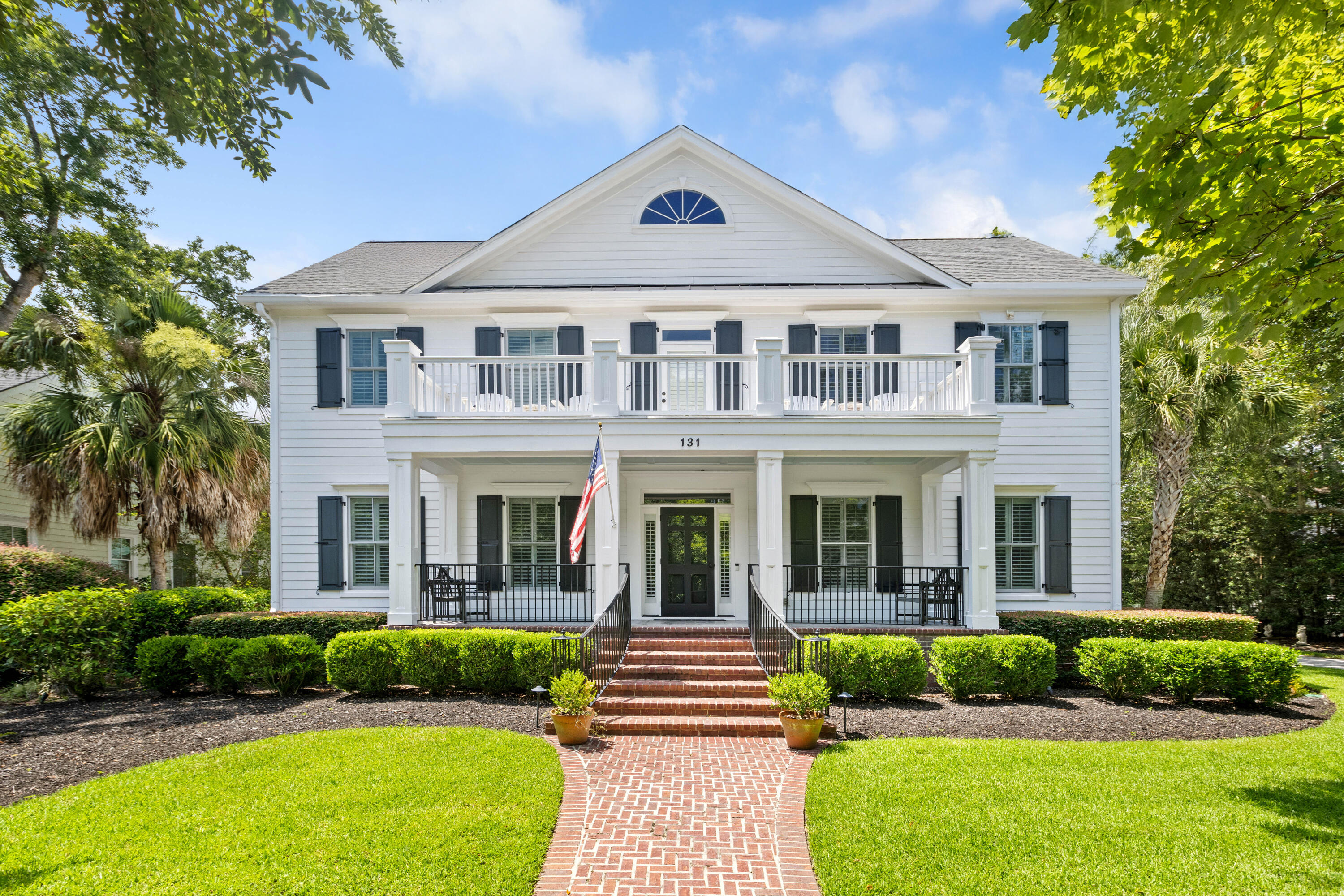
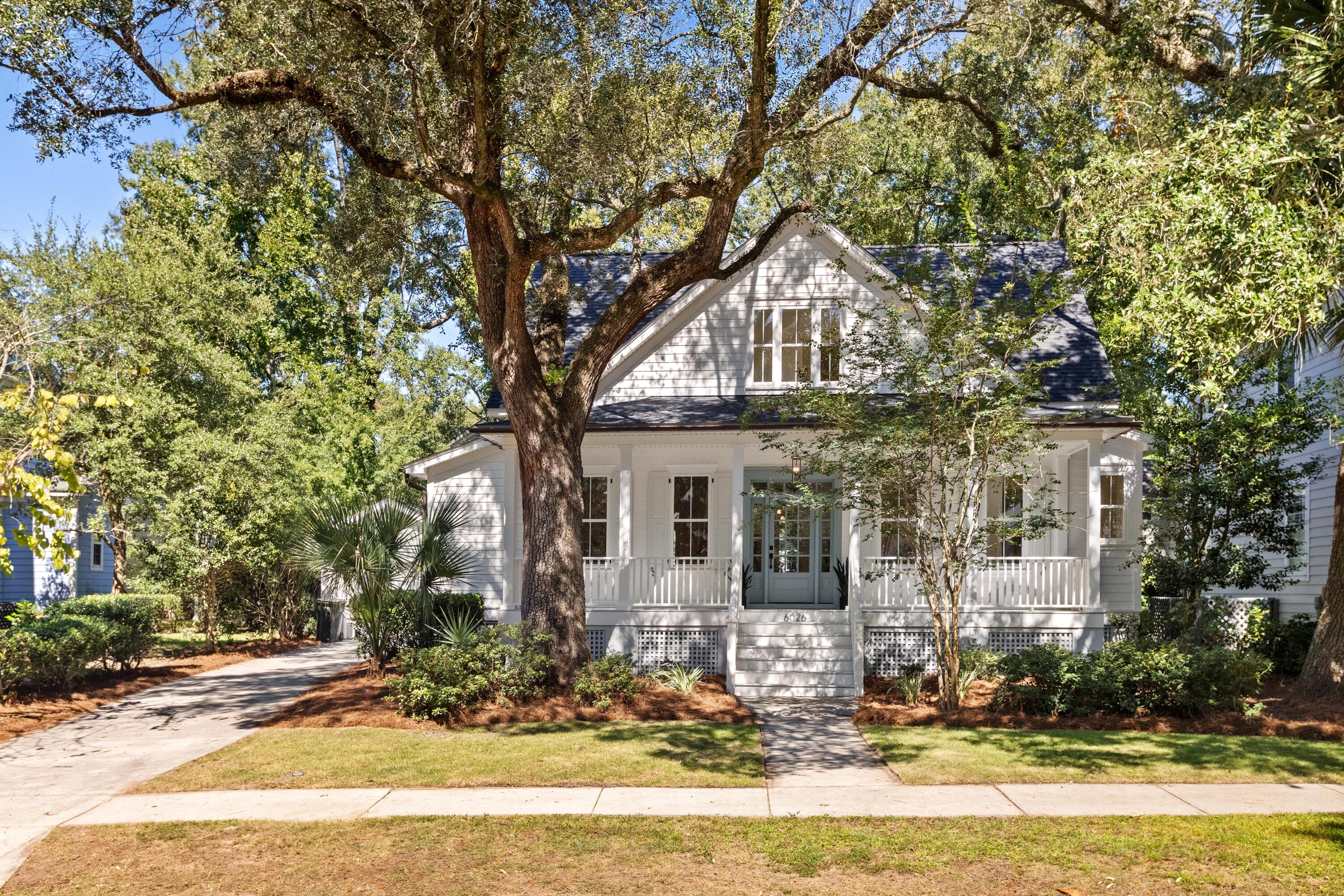
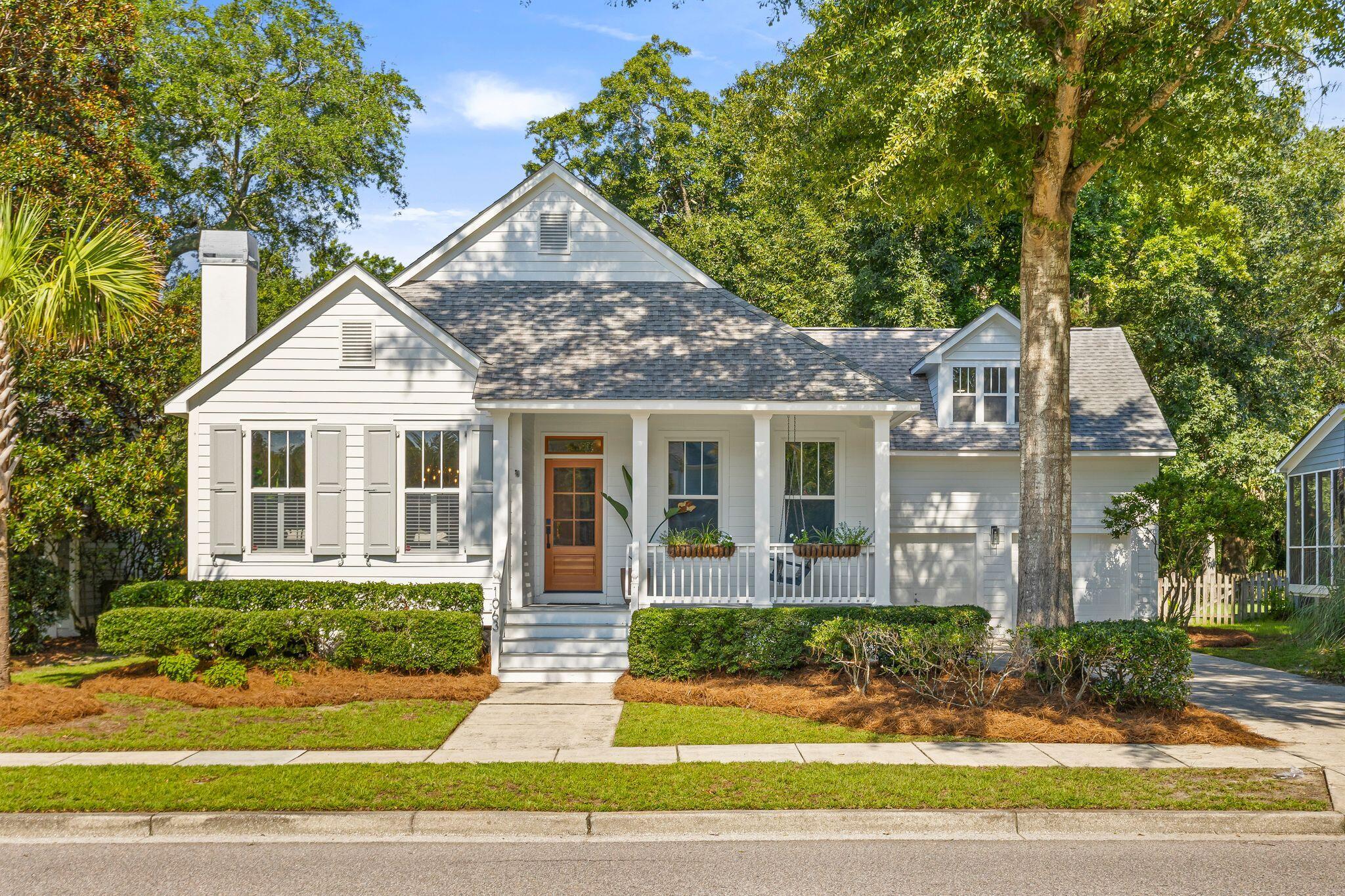
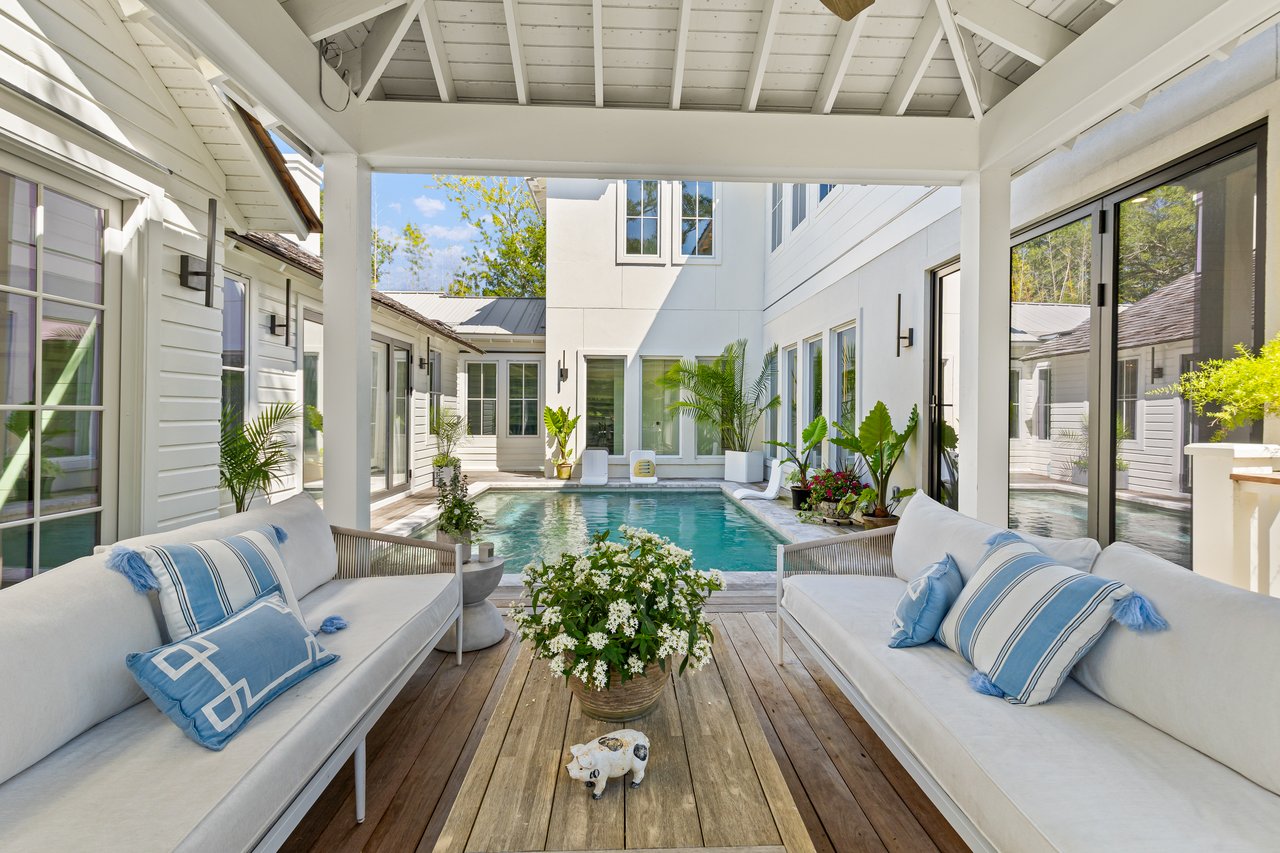
Single-family homes represent the majority of inventory, ranging from 2,000-square-foot starter homes priced around $650,000 to 5,000+ square-foot luxury estates exceeding $3 million, with most properties featuring three to five bedrooms, attached two-car garages, and outdoor living spaces that include screened porches or covered patios designed for year-round use. Charleston-style single houses—narrow, two- or three-story homes with side piazzas—appear throughout neighborhoods like Ralston Creek and Park Island, offering traditional curb appeal with modern interiors. Meanwhile, craftsman-style homes with wide front porches and detailed millwork dominate streets in the Etiwan Park and Governor's neighborhoods.
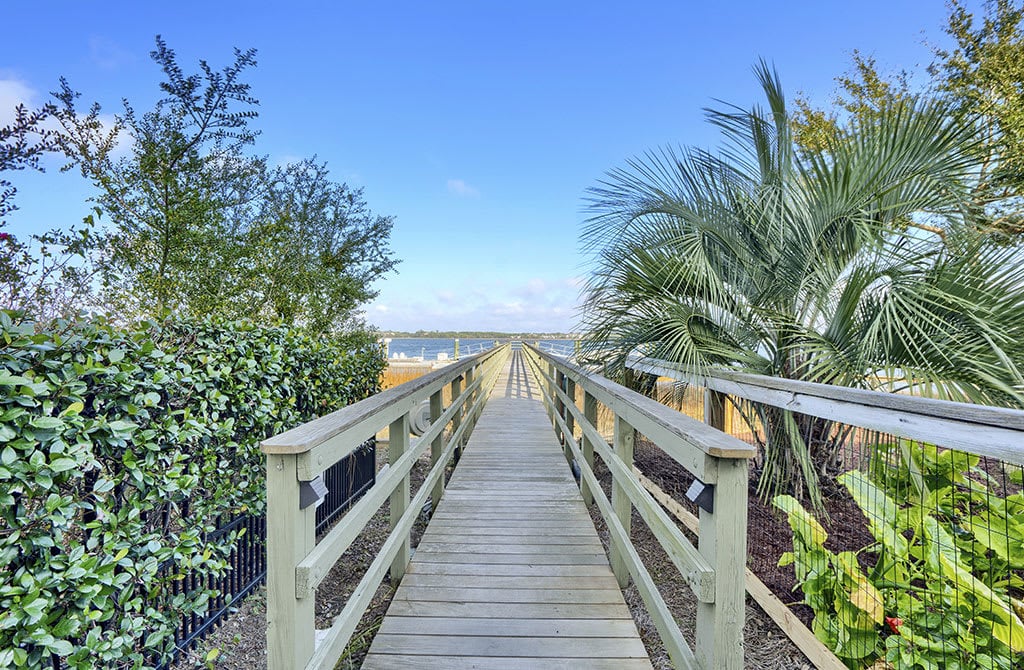
Waterfront properties along Ralston Creek, the Wando River, and internal canal systems command premium prices, with deep-water lots offering private docks and access to Charleston Harbor attracting boating enthusiasts willing to pay $2-4 million for direct water access.
Townhomes clustered in developments like Delahow Street and near Daniel Island Park provide attached housing options typically ranging from 1,800 to 2,500 square feet and priced between $500,000 and $700,000, appealing to buyers who want island living without yard maintenance responsibilities.
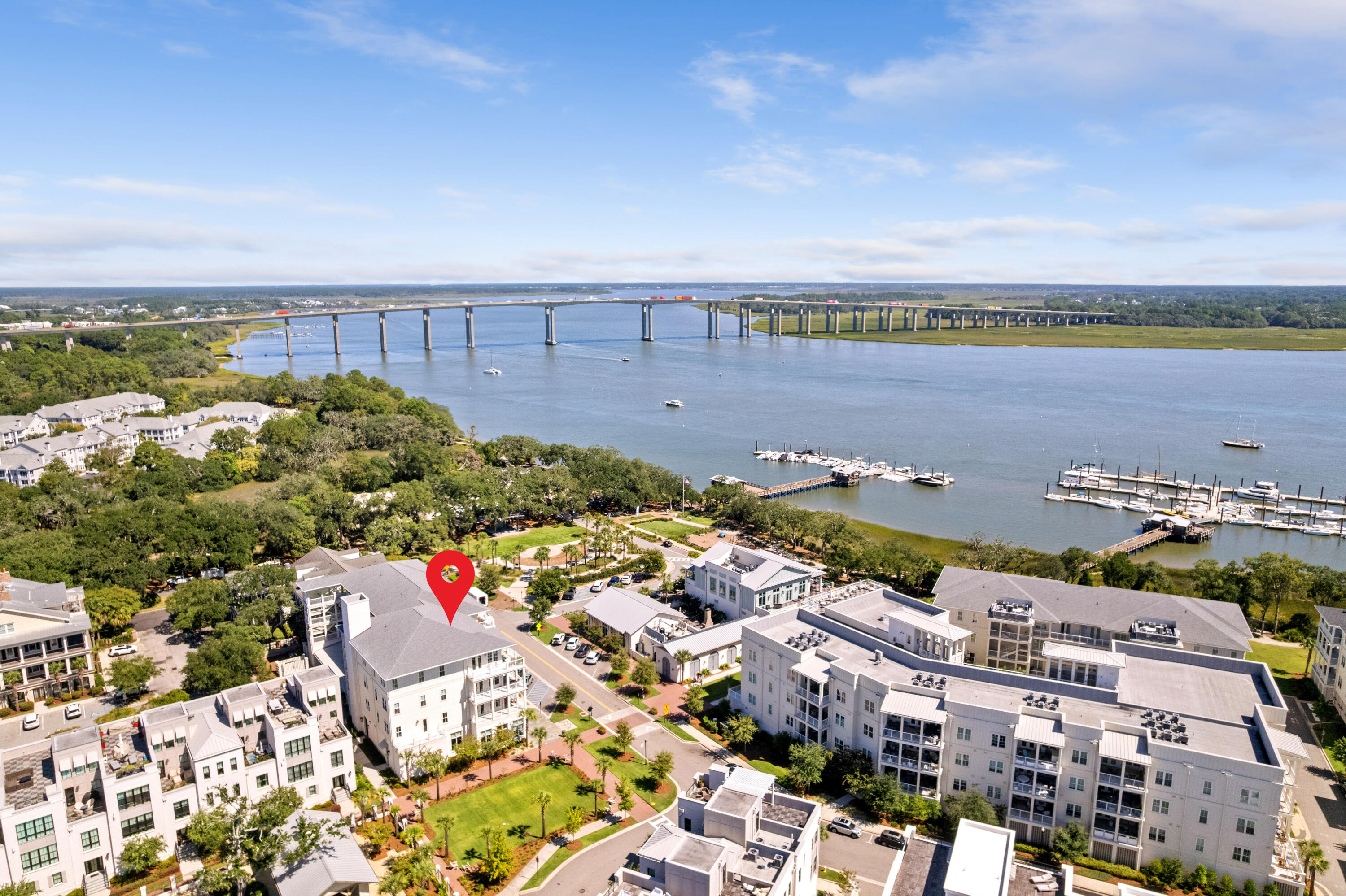
Condominiums exist primarily in two configurations: low-rise buildings near the downtown area offering walkability to restaurants and shops, and waterfront developments like River Landing that provide resort-style amenities and marsh views, with units ranging from two to three bedrooms and priced between $400,000 and $800,000 depending on size, view, and finishes.
The island includes virtually no tear-down properties or significant fixer-upper opportunities since most homes are less than 25 years old and were built to modern standards, meaning buyers should expect move-in-ready conditions or newer homes requiring minimal renovation rather than the gut-renovation projects common in downtown Charleston.
Factors to Consider When Buying
Buyers entering Daniel Island's market should understand that Homeowners Association fees are mandatory throughout the island, with annual costs ranging from $1,200 to $3,000 for single-family homes depending on neighborhood amenities, while townhome and condominium owners face monthly fees between $200 and $600 that typically include exterior maintenance, landscaping, and access to community pools and fitness centers.
Flood insurance requirements vary significantly based on specific location and elevation, with homes built in FEMA Zone X generally requiring no flood insurance and enjoying lower overall insurance costs, while properties in AE zones near tidal creeks or waterfront locations face annual flood insurance premiums ranging from $1,500 to $5,000 depending on elevation certificates and coverage limits.
The island's master plan includes strict architectural review processes, meaning exterior modifications, additions, or even paint color changes require approval from neighborhood architectural review boards, which protects property values but limits customization flexibility compared to unrestricted communities.
School boundaries deserve careful attention since Daniel Island Elementary, Philip Simmons Elementary, and Philip Simmons High School serve different sections of the island, and while all maintain strong ratings, specific addresses determine enrollment eligibility, making school district verification essential before purchasing if education quality drives your relocation. Traffic congestion also affects the island during peak commuting hours, particularly at the I-526 interchange and along Clements Ferry Road, with morning and evening backups extending 15-20 minutes during rush periods, a reality that has worsened as development continues on the Cainhoy Peninsula and should factor into decisions for daily commuters.
The island's rapid development means some neighborhoods built in the early 2000s now feature 20+ year-old homes that may require roof replacements, HVAC updates, or other major system improvements within the next 5-10 years, while newer construction in active builder communities includes modern efficiency standards and warranties but commands premium pricing.
Buyers should verify whether properties include deeded boat slips or dock access if waterfront lifestyle factors into their decision, as these amenities transfer with some waterfront homes but not all, and securing boat slip access after purchase can be difficult and expensive.
The island's relatively flat topography and tidal marsh surroundings create mosquito issues during warm months, making screened outdoor living spaces and mosquito control systems practical rather than luxury features for year-round comfort.
Factors to Consider When Selling
Daniel Island's selling season peaks from February through June when northern buyers exploring Charleston relocations and local families shopping before the school year drive the highest traffic and strongest offers, while the market noticeably slows during July and August when heat and humidity reduce buyer activity, making spring listings strategically advantageous for maximizing competition and price.
Pricing strategy requires balancing Daniel Island's premium positioning against comparable inventory—overpricing by even 5-10% can result in extended market time since buyers shopping the island are typically sophisticated and compare multiple listings, while competitive pricing often generates multiple offers and final sale prices above list in the first two weeks.
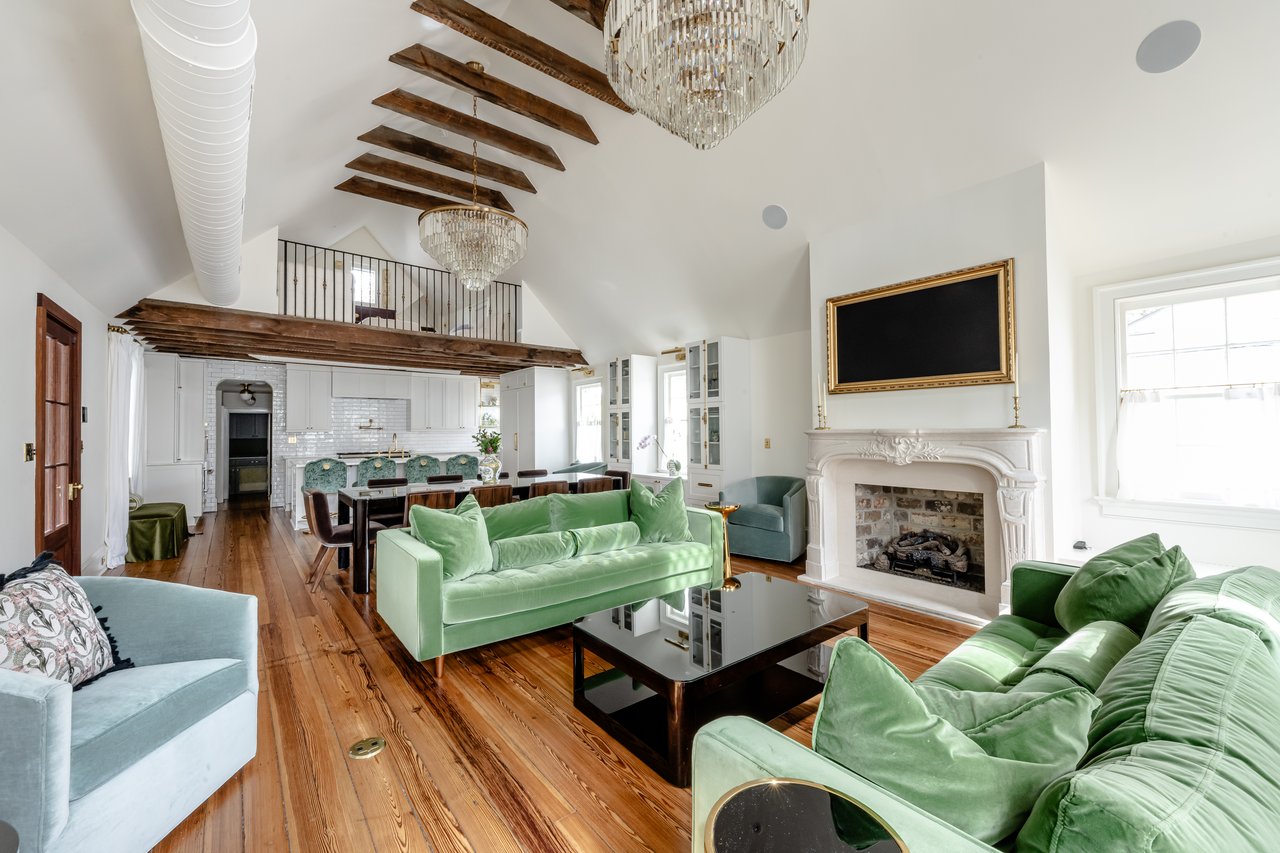
Staging modern, move-in-ready homes resonates with Daniel Island's buyer demographic, who often relocate from other states and expect updated kitchens with quartz or granite countertops, contemporary color palettes with whites and grays replacing builder-beige from the 2000s, and outdoor spaces configured for entertaining since the mild climate encourages outdoor living year-round. The island attracts corporate relocations, young families, and retirees rather than investors or first-time buyers, meaning sellers should emphasize lifestyle amenities like proximity to the Family Circle Tennis Center, walkability to town center restaurants, and access to island parks rather than potential rental income or starter-home affordability.
Kitchen and primary bathroom updates deliver the strongest return on investment since buyers shopping at Daniel Island's price points expect modern finishes, stainless appliances, and spa-like primary suites, while cosmetic improvements like fresh paint, updated lighting fixtures, and refinished hardwood floors help homes compete against abundant new construction. Smart home technology including programmable thermostats, video doorbells, and app-controlled lighting appeals to the island's tech-savvy buyer base and positions properties as modern and efficient without requiring major renovation investment.
Sellers in neighborhoods with HOA pools, tennis courts, or clubhouse facilities should highlight these amenities since they differentiate Daniel Island from other Charleston markets and justify the HOA fees that some buyers initially resist. Properties backing to golf course fairways, marsh views, or tidal creeks command premium pricing compared to interior lots, and professional photography capturing these features alongside sunrise or sunset lighting helps listings stand out in online searches where most buyers begin their search.
Homes on streets with heavy through-traffic to schools, parks, or the I-526 interchange may face buyer objections about noise and safety, making it essential to emphasize quiet cul-de-sac locations or demonstrate traffic-calming measures if applicable to your property. Sellers should prepare for informed buyers who research recent comparable sales, understand Daniel Island's premium over other Charleston submarkets, and often work with experienced relocation specialists or buyer's agents, meaning documentation like recent roof certifications, HVAC service records, and termite inspections accelerates negotiations and builds buyer confidence.
Dining and Entertainment
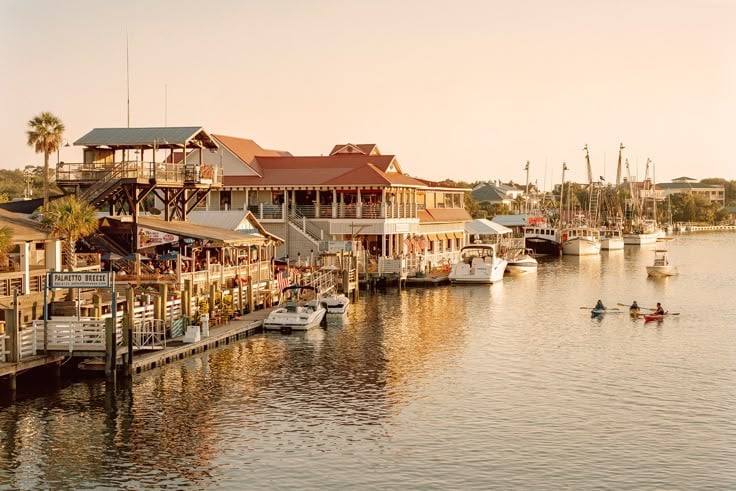
Daniel Island's downtown area along Seven Farms Drive serves as the community's culinary and social hub, anchored by longstanding favorites like Barsa, a Spanish tapas restaurant offering paella, Iberian meats, and an extensive wine list that draws residents for date nights and special celebrations. The Codfather seafood restaurant delivers Charleston-style fish and chips, crab cakes, and daily catches in a casual waterfront setting, while Cameo Cafe provides breakfast and lunch staples including omelets, sandwiches, and fresh-squeezed juices popular with morning crowds and weekend brunchers.
SERG Restaurant Group operates Blondies Pub, known for elevated pub fare, craft beer selections, and outdoor seating that fills with families after youth sporting events, and nearby O-Ku delivers upscale sushi and Japanese-inspired dishes in a modern setting that appeals to the island's professional demographic. The Refinery food hall concept brings multiple vendor stalls under one roof, offering pizza, barbecue, tacos, and rotating chef concepts alongside craft cocktails and local beer, creating a communal dining experience where groups with diverse preferences can gather.
Island Coffee Shop functions as the community's living room where residents grab morning coffee, host informal business meetings, and bump into neighbors, while nearby Bigginger serves açai bowls, smoothies, and health-focused menu items catering to the island's active, wellness-oriented population. Seven Farms Gastropub delivers American comfort food with elevated execution—burgers, steaks, and seasonal specials—in a family-friendly atmosphere, and Dockery's on Daniel Island operates as a neighborhood sports bar showing college football, serving wings and bar food in a casual setting where locals gather for games.
The island lacks traditional nightlife or late-night entertainment venues since the master plan emphasized family-oriented development, but downtown Charleston's bar and music scene sits just 15 minutes away for residents seeking that atmosphere. The Family Circle Cup Stadium hosts professional tennis during the Volvo Car Open each April, bringing international athletes and thousands of spectators to the island, while the stadium also accommodates concerts, community festivals, and special events throughout the year that create entertainment options without leaving the island.
Shopping
Daniel Island provides daily shopping needs through several commercial developments, though the island remains primarily residential and requires short drives to Mount Pleasant or North Charleston for big-box retail and specialty shopping.
Daniel Island Shopping Center along Clements Ferry Road includes Harris Teeter grocery store serving as the island's primary supermarket, CVS Pharmacy, and service-oriented businesses including dry cleaners, salons, and professional offices that handle routine errands close to home. Seven Farms Plaza in the downtown area offers boutique shopping including Southern Boutique for women's clothing and gifts, Palmetto Moon for outdoor gear and Southern lifestyle brands, and small specialty shops that rotate based on lease terms and seasonal demand.
Pet-focused shopping appears at Island Grooming and Pawsitively Southern, catering to the island's large dog-owning population, while fitness and wellness retail exists through Pure Barre, OrangeTheory Fitness, and similar studios that sell apparel and accessories to members. The island's commercial footprint deliberately limits large retail to preserve residential character, meaning residents drive 10-15 minutes to Mount Pleasant's Towne Centre for Target, Belk, and chain restaurants, or visit Tanger Outlets for discounted brand-name shopping.
Whole Foods Market and Trader Joe's in Mount Pleasant attract Daniel Island residents seeking organic groceries and specialty items not available at Harris Teeter, while Costco in West Ashley serves members willing to make the 20-minute drive for bulk purchasing. Charleston's historic King Street shopping district, featuring national retailers, local boutiques, art galleries, and home furnishing stores, sits 15-20 minutes away depending on traffic and provides the closest urban shopping experience to the island.
The island's limited retail selection reflects intentional master planning that prioritized residential development and green space over commercial density, a trade-off most residents accept given proximity to Charleston's broader retail landscape, though some residents express desire for additional grocery competition and dining variety as the community continues maturing.
Parks and Recreation
Daniel Island's 4,000-acre footprint includes approximately 1,000 acres of preserved green space, parks, and recreational facilities that define the community's outdoor-oriented lifestyle.
Governors Park serves as the island's recreational centerpiece, featuring lighted tennis courts, youth baseball and softball fields, playground equipment, and open lawn space that hosts community events, youth soccer leagues, and informal gatherings throughout the year. Etiwan Park provides walking trails through preserved maritime forest, a dog park where residents socialize while pets play off-leash, and access to tidal creek observation areas where kayakers launch and families explore coastal ecosystems. Pierce Park in the island's eastern section includes waterfront trails along the Wando River, kayak and paddleboard launch areas, and pavilions available for private events or casual picnics with marsh views.
The island's trail system connects neighborhoods through approximately 20 miles of sidewalks and dedicated pedestrian paths, creating a walkable network where residents routinely bike to schools, walk to the town center, or jog multi-mile loops without encountering car traffic. Waterfront access exists along Ralston Creek and the Wando River where residents launch kayaks, paddleboards, and small boats to explore Charleston Harbor, fish for redfish and flounder in tidal creeks, or simply enjoy sunset views over the marsh.
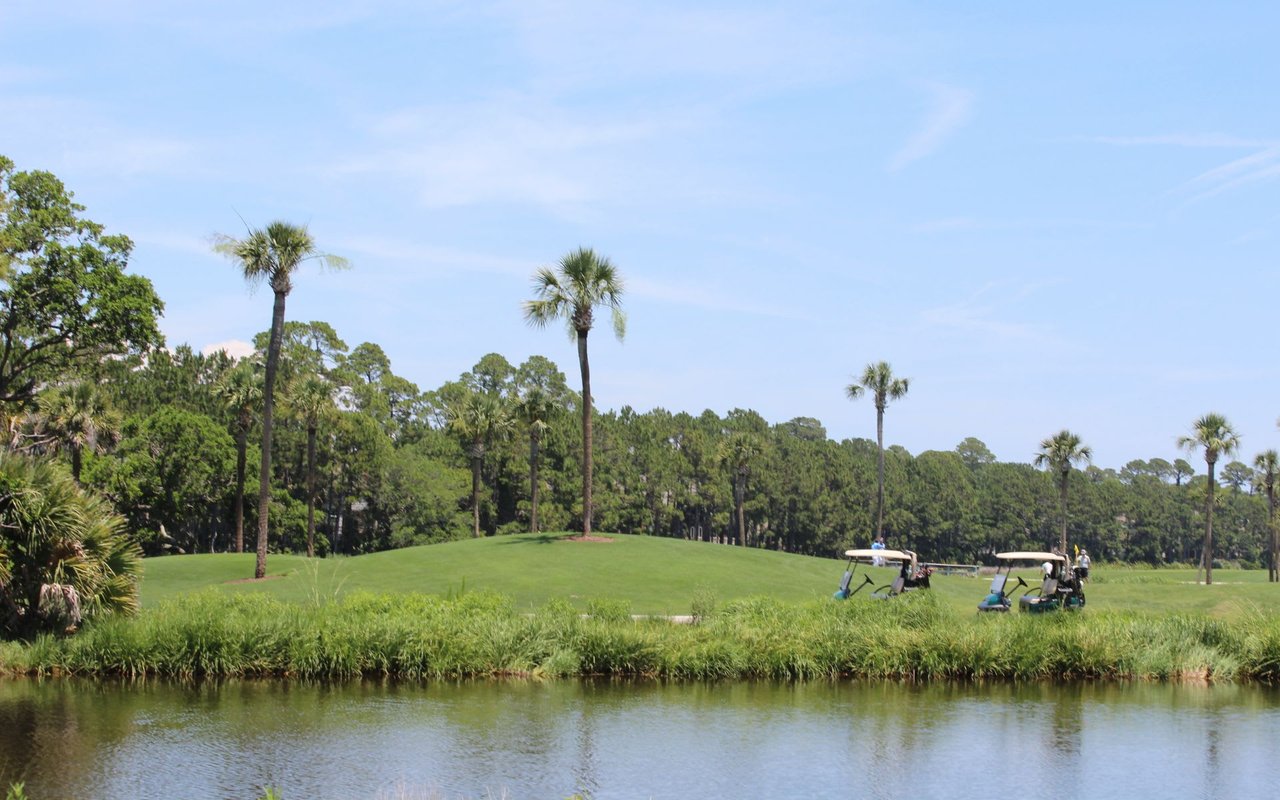
Daniel Island Club, a private membership club, operates an 18-hole championship golf course designed by Tom Fazio, plus tennis facilities, a fitness center, pool complex, and clubhouse dining that serves member families year-round, though club membership requires separate fees beyond home purchase and currently maintains a waitlist for certain membership categories. Family Circle Tennis Center features 17 courts including a 10,000-seat stadium that hosts professional tennis during the Volvo Car Open, with public courts available for resident use during non-tournament periods and junior tennis programs drawing youth players island-wide.
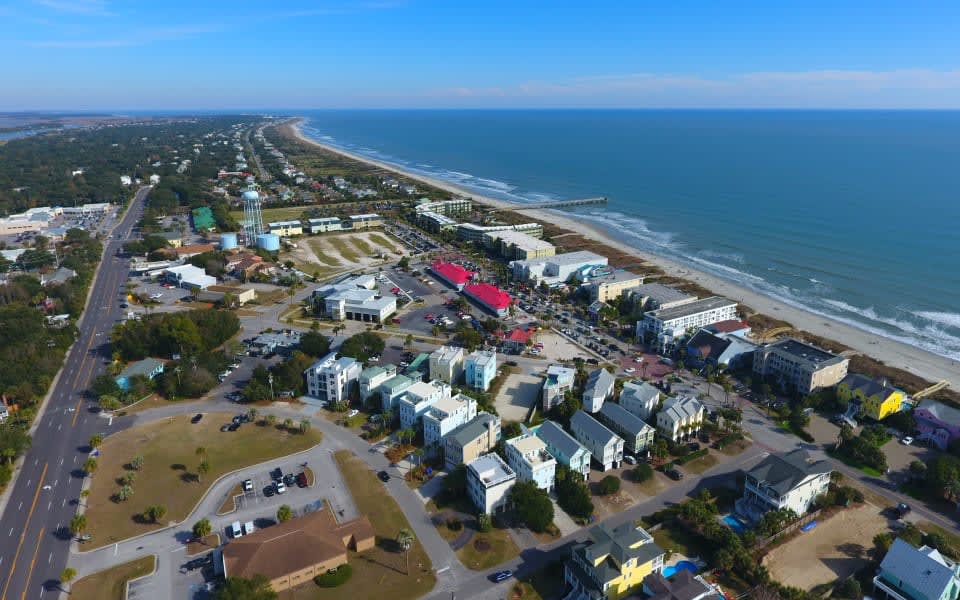
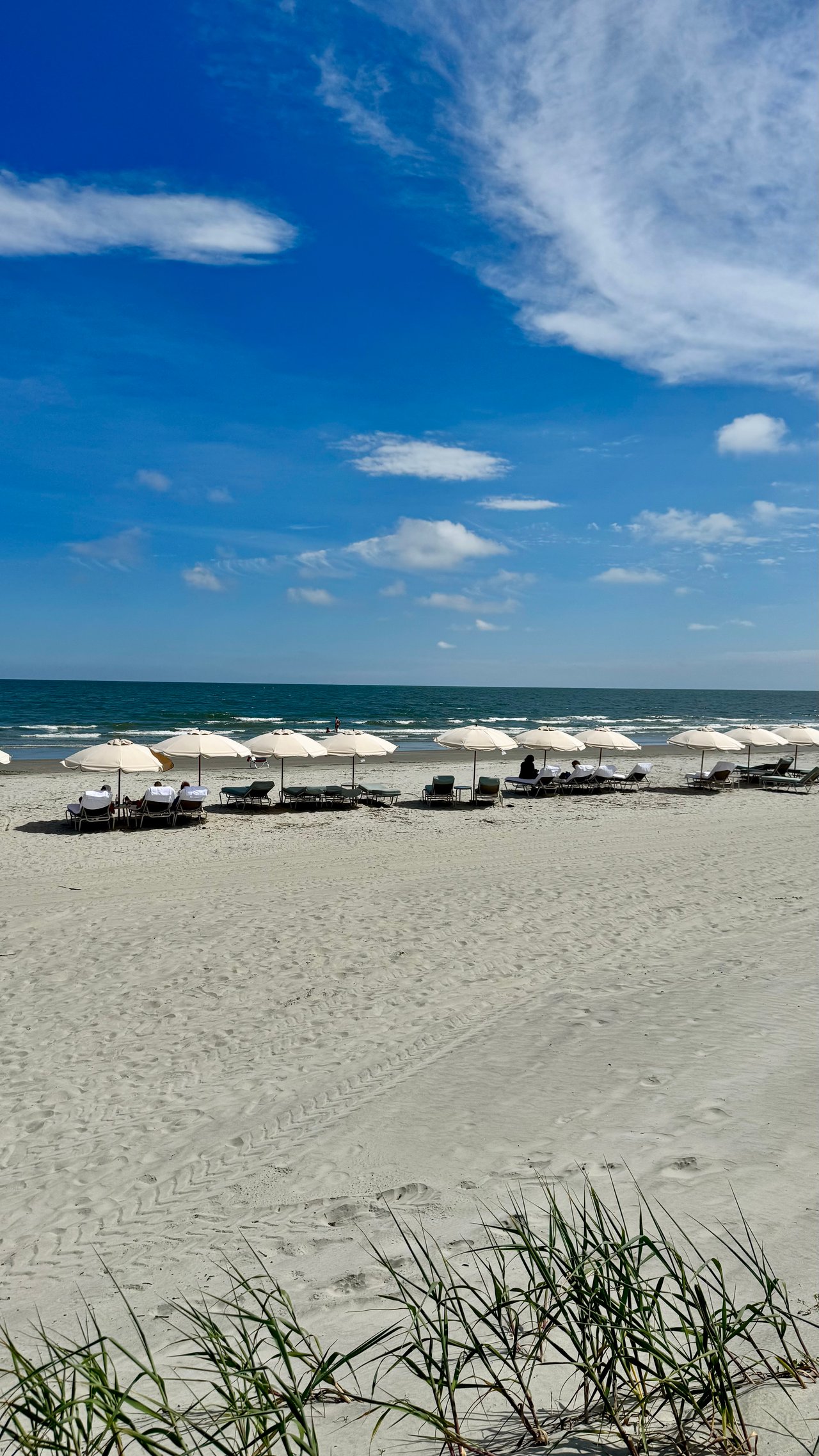
Blackbaud Stadium provides a 5,000-seat venue that formerly hosted Charleston Battery professional soccer and now accommodates youth soccer tournaments, community festivals, and other events requiring stadium infrastructure. The absence of traditional beaches on Daniel Island sends many residents to Sullivan's Island or Isle of Palms—both 20-30 minutes away—for ocean swimming and beach days, though the island's tidal creeks and marsh environment provide alternative water access for boating and fishing enthusiasts.
Community pools operated by individual neighborhood HOAs supplement public recreational facilities, with most subdivisions offering at least one pool and many featuring multiple aquatic facilities that become social gathering spots during summer months.
Schools and Education
Berkeley County School District serves most of Daniel Island through three highly-rated schools that consistently rank among South Carolina's best-performing public institutions.
Daniel Island School operates as a PK-8 campus enrolling approximately 1,000 students and maintaining standardized test scores that exceed state averages by 20-30 percentage points, with particular strength in mathematics and English language arts programs that emphasize project-based learning and technology integration. Philip Simmons Elementary School serves younger grades in the island's northern sections, while Philip Simmons Middle School and Philip Simmons High School—located just off-island in the Cainhoy area—serve Daniel Island families with newer facilities built to accommodate the area's rapid growth. Philip Simmons High School, which opened in 2015, has quickly established strong academic performance with average SAT scores exceeding 1200 and college acceptance rates above 90%, while also developing competitive athletics programs and extracurricular offerings that rival older, more established Charleston-area high schools.
The schools maintain modern facilities including STEM labs, media centers, and athletic complexes that reflect the area's growth and tax base, and active parent-teacher organizations contribute fundraising and volunteer support that enhances programming beyond district budgets. Some Daniel Island families opt for private education at nearby institutions including Charleston Collegiate School, a classical education model located on Clements Ferry Road just off the island, or make the commute to peninsula private schools including Porter-Gaud, Charleston Day School, and Ashley Hall, though the strength of public school options makes private education less common than in other affluent Charleston neighborhoods.
Early childhood education options on the island include several preschool programs and daycare facilities such as Daniel Island Children's Center and The Learning Center at Blackbaud, serving working families who value on-island childcare close to home and major employers.
The College of Charleston and Charleston Southern University both sit within 20-30 minutes of Daniel Island, providing higher education access for residents pursuing continuing education or traditional undergraduate degrees, while the Medical University of South Carolina and The Citadel expand local university options to cover most academic interests without requiring relocation.
Commute and Accessibility
Daniel Island's location between I-526 and I-26 provides direct highway access that facilitates commutes throughout the Charleston region, though the limited bridge connections create bottlenecks during peak traffic periods that commuters must navigate daily.
The I-526 interchange at the island's southern end delivers the primary route toward downtown Charleston—typically 15-20 minutes in off-peak hours but extending to 30-40 minutes during morning and evening rush periods when traffic backs up on the bridge and along Morrison Drive. Northbound commuters heading to North Charleston, Boeing's aircraft assembly facility, or the Charleston International Airport area typically use I-526 east to I-26, completing trips in 15-25 minutes depending on time of day and specific destination. Mount Pleasant employment centers including Bosch, Blackbaud's Mount Pleasant offices, and the Medical University of South Carolina's East Cooper facility are accessible via Clements Ferry Road in approximately 15-20 minutes, though this route experiences increasing congestion as Cainhoy Peninsula development adds traffic volume.
The island's two vehicular connections—I-526 to the south and Daniel Island Drive/Clements Ferry Road to the north—create vulnerability to traffic disruptions since accidents or bridge maintenance on either route can severely impact commute times and emergency access, a concern that becomes acute during hurricane evacuations when tens of thousands of vehicles funnel through limited regional corridors. Public transportation options remain minimal, with Charleston Area Regional Transportation Authority (CARTA) operating limited bus service that doesn't serve most Daniel Island neighborhoods effectively, meaning residents rely almost exclusively on personal vehicles for daily transportation needs.
The island's internal road network follows New Urbanist principles with interconnected streets rather than suburban cul-de-sac patterns, theoretically improving walkability and reducing trip lengths, though in practice most residents still drive for grocery shopping, school drop-offs, and other errands beyond the immediate town center area. Bike commuting to downtown Charleston remains impractical due to distance and highway infrastructure that lacks protected bike lanes, though some residents bike to nearby employment centers or use the island's internal trail network for recreational cycling and short errands.
The planned Cainhoy Peninsula development, which will eventually add thousands of homes northeast of Daniel Island, promises additional traffic pressure on Clements Ferry Road and I-526, a reality that concerns long-time residents who have watched commute times gradually increase as regional growth continues. Water taxi service previously connected Daniel Island to downtown Charleston, offering a scenic alternative to highway commuting, though this service has operated intermittently based on operator viability and currently remains unavailable for daily commuters.
Why People Love Daniel Island
Residents consistently cite the island's sense of community as its greatest asset—regular neighborhood events, active youth sports leagues, and the walkable town center create organic opportunities for social connection that many find lacking in traditional suburban developments.
The master-planned design delivers unusual cohesion where architectural consistency, preserved green space, and pedestrian infrastructure create an environment that feels intentionally designed rather than haphazardly developed, a quality that resonates with buyers coming from dense urban environments or sprawling suburban subdivisions. Access to Charleston's employment, culture, and dining scene without living on the congested peninsula appeals to professionals and families who want proximity to urban amenities while maintaining suburban comfort, yard space, and modern home features.
The island's newness translates to contemporary floor plans with open kitchens, primary suites, and two-car garages rather than the compromises inherent in historic Charleston properties where narrow lots, street parking, and dated systems require constant attention and investment. Top-rated schools within the community eliminate the school-search anxiety common in other Charleston markets and allow children to walk or bike to campus, creating independence and simplifying family logistics in ways that resonate with parents who lived in neighborhoods requiring car-dependent school commutes.
The outdoor lifestyle enabled by miles of trails, multiple parks, and year-round mild weather attracts active families and retirees who value daily walks, kayaking in tidal creeks, and casual interactions with neighbors encountered during outdoor activities. The island's relatively flat terrain and wide sidewalks accommodate strollers, wheelchairs, and aging residents more effectively than Charleston's brick sidewalks and historic infrastructure, making it particularly appealing for young families and older adults managing mobility considerations. Strong property value appreciation and limited inventory create confidence among buyers that real estate investment here will perform well, particularly compared to more volatile markets or neighborhoods experiencing demographic decline.
The intentional mixing of price points—from $400,000 condos to $4 million estates—creates economic diversity uncommon in master-planned communities, allowing residents to upsize or downsize while remaining on the island and maintaining established social connections. Low crime rates and the relatively insular geography create perceived safety that attracts families with young children, though residents acknowledge this sense of security reflects both demographics and the limited access points that naturally reduce through-traffic and unfamiliar visitors.
Most Coveted Streets & Estates
- The Ralston Creek waterfront area commands premium interest from buyers seeking deep-water access and marsh views, with streets like Ralston Creek Street and Waterway Boulevard featuring custom homes priced between $2 million and $4 million that include private docks accommodating boats up to 40 feet.
- River Landing Drive's waterfront townhomes and condominiums attract downsizers and lock-and-leave buyers who want managed properties with resort-style amenities and direct views over the Wando River without single-family maintenance responsibilities.
- The Daniel Island Park neighborhood, particularly streets surrounding the 18-hole golf course, draws golf enthusiasts willing to pay $1.5-3 million for fairway views, club proximity, and custom home sites that permitted larger floor plans than typical subdivision lots.
- The Old Village section near Daniel Island School includes some of the island's earliest development where mature landscaping and established streetscapes create neighborhoods that feel less new than recent builder communities, appealing to buyers who value character over brand-new construction.
- Beresford Creek, the island's northernmost section, offers newer construction at relatively lower price points—$650,000 to $900,000—while still providing island amenities and Philip Simmons school access, making it popular with first-time Daniel Island buyers and growing families prioritizing square footage over premium locations.
- Streets within walking distance of the town center along Seven Farms Drive—including nearby sections of Captain Sams Road and Robert Daniel Drive—command premiums for walkability to restaurants, shopping, and community events, particularly among empty nesters and professionals who value car-free access to daily amenities.
- Custom home sites along the Wando River's eastern shore provide the island's most exclusive addresses where buyers purchase lots and build to personal specifications, creating estates that exceed production builder offerings in both scale and customization, typically representing the island's highest-value transactions above $3 million.
- The Etiwan Park neighborhood, known for craftsman architecture and tree-lined streets, attracts buyers who appreciate traditional design over contemporary styles, with homes here maintaining strong values despite competing with newer construction in other island sections.
- Properties backing to preserved green space or marsh conservation areas throughout the island appeal to buyers seeking privacy and natural buffers from neighboring homes, commanding 10-15% premiums over similar homes on standard lots.
Living in Daniel Island
Daniel Island represents a unique proposition in the Charleston market—a successfully executed master-planned community that delivers suburban convenience, modern homes, and family-oriented amenities while maintaining authentic connection to the Lowcountry landscape and proximity to Charleston's cultural assets.
The island's two-decade evolution from farmland to thriving neighborhood demonstrates thoughtful planning that balanced development with preservation, creating a community where residents genuinely walk to neighbors' homes, know local shop owners by name, and participate in shared institutions like youth sports leagues and school fundraisers. Living here means accepting trade-offs inherent to island geography—limited bridge access creates traffic vulnerability, retail options remain constrained by intentional planning limits, and the newness of development means mature tree canopy and established neighborhood character continue developing rather than existing fully formed.
The premium pricing reflects genuine advantages including top-performing schools, extensive recreational infrastructure, and limited inventory that maintains value, though buyers should verify these priorities align with personal needs rather than assuming Daniel Island's reputation automatically justifies the cost difference over other Charleston submarkets. The community continues maturing as early residents age, empty nesters arrive, and second-generation families purchase homes where they grew up, creating demographic depth that moves beyond the new-development phase where everyone arrives simultaneously and few have established roots.
For buyers who value planned communities over organic neighborhoods, modern construction over historic charm, and family-focused amenities over urban grit, Daniel Island delivers a refined version of suburban living that leverages Charleston's appeal while avoiding the peninsula's constraints—a balance that explains both the premium pricing and the waiting lists that form when desirable properties reach the market.