Search Downtown Charleston homes for sale, including luxury homes and new listings with Tricia Peterson.
Downtown Charleston, SC Housing Market
The Downtown Charleston housing market operates as an elite, ultra-luxury enclave where historic preservation and extreme geographic limits drive property values. Carrying a median sale price of $1.5M to $1.7M and hovering around $1,005 per square foot, the historic peninsula commands a substantial premium over mainland submarkets. Due to limited footprint and high retention among property owners, transaction volume stays naturally low—typically seeing around 24 sales per month—while total price appreciation continues to climb across coveted historic districts.
Downtown Charleston is moderately competitive, giving well-capitalized buyers room to negotiate on listings that require updating or sit outside prime historic corridors. Properties average 47 to 68 days on market, with homes selling at an average 97.33% sale-to-list ratio. Only about 10% of homes sell above asking price, meaning sellers are generally open to price adjustments and concessions—though turnkey, historically significant single-family homes in prime areas like South of Broad still draw fast, aggressive interest.
Real estate dynamics on the peninsula vary sharply based on micro-location, flood elevation, and local preservation mandates. Neighborhoods south of Calhoun Street command top-tier pricing but require careful review of Board of Architectural Review (BAR) guidelines and elevation certificates for insurance planning. Meanwhile, upper peninsula districts like Harleston Village, Cannonborough/Elliotborough, and Wagener Terrace offer a blend of restored historic homes, modern infill, and strong rental demand near the Medical District and College of Charleston.
When purchasing a home in Downtown Charleston, SC, you aren't just buying property—you are acquiring a piece of living American history. Navigating the historic peninsula requires a specialized understanding of architecture, local preservation laws, and unique environmental conditions that do not exist in standard suburban markets.
Nearly every residential property on the Downtown Charleston peninsula falls under the jurisdiction of the city’s Board of Architectural Review (BAR). The BAR strictly regulates all exterior alterations visible from the public right-of-way, including paint colors, window replacements, roofing materials, porch enclosures, and additions. Furthermore, replacing original architectural elements often requires repair or exact "in-kind" historic replication rather than modern synthetic substitutions. Before planning any exterior upgrades or additions on a peninsula home, it is critical to know your property's historic category and local restrictions to avoid costly delays or compliance issues.
Downtown Charleston is famous for its iconic "Charleston Single House" layout—a narrow structure built one-room wide, oriented perpendicular to the street to catch harbor breezes, with multi-level side porches known as piazzas. While these homes offer extraordinary charm, they come with layout nuances like street-facing privacy doors that lead to side piazzas rather than the front door, as well as shared driveways or traditional "easements of light and air." Additionally, many prominent downtown estates carry perpetual preservation easements held by organizations like the Historic Charleston Foundation. These easements restrict interior and exterior modifications even beyond standard BAR rules in exchange for potential tax benefits.
Because the historic peninsula is surrounded by the Ashley and Cooper Rivers, elevation varies drastically block by block—and sometimes house by house. Downtown Charleston deals with both storm surge and high-tide "sunny day" tidal flooding (king tides), making elevation one of the single biggest drivers of property value. Homes sitting on historic high ground (such as portions of South of Broad, Harleston Village, or Ansonborough) command top dollar, while lower-lying streets require careful attention to foundation type, flood vent placement, and vehicle parking during high tides. Reviewing an official Elevation Certificate is essential for calculating your ongoing carrying costs and flood insurance premiums.
In a 300-year-old city designed for horse-drawn carriages, off-street parking is a rare premium. Many historic downtown homes lack dedicated driveways altogether, relying instead on City of Charleston Residential Parking Permits or rented monthly spaces in private garages. Where off-street parking does exist, it often takes the form of narrow, historic brick driveways, shared access easements with neighbors, or tandem parking along a side piazza. Having a deeded, off-street parking space—or a garage—can add tens of thousands of dollars in value to a peninsula property, making parking verification a critical step during contract negotiations.
If you are considering purchasing a downtown property as an investment or vacation home with plans to rent it on platforms like Airbnb, you must navigate some of the strictest Short-Term Rental (STR) ordinances in the country. The City of Charleston restricts short-term rentals in most residential downtown zones, generally requiring the property to be the owner’s primary residence (where the owner resides on-site during stays) and located within designated STR overlay districts. Properties boasting commercial-zoned short-term rental eligibility or grandfathered STR permits carry immense price premiums, making careful verification of zoning maps necessary prior to purchasing.
When renovating an older, non-conforming home located in a designated flood zone downtown, buyers face the federal "FEMA 50% Rule" enforced by the city. This rule states that if the cost of improvements or repairs exceeds 50% of the building’s market value (excluding land value), the entire structure must be brought into full compliance with current flood codes—which often means elevating the entire historic building. For historic properties where physical elevation is structurally impossible or prohibited by the BAR, managing project budgets so they stay under the 50% threshold requires careful planning alongside specialized historic contractors.
Buying a home on the historic Charleston peninsula requires specialized local knowledge, from evaluating historic preservation rules to navigating flood elevations and parking rights. Whether you have questions about a specific historic district, need help calculating renovation potential, or want to schedule a private showing, contact our team today—we are here to guide you through every step of the process!
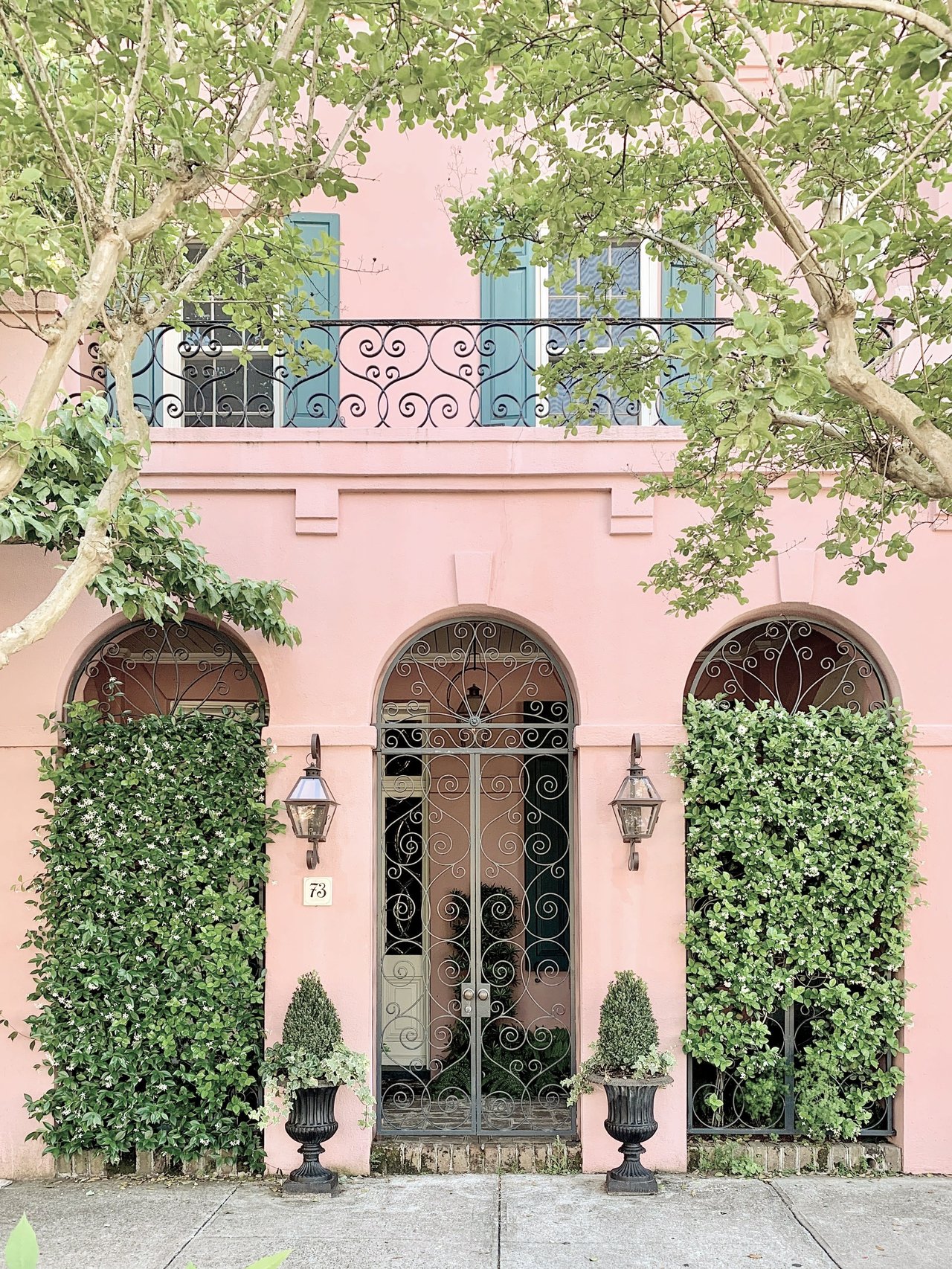
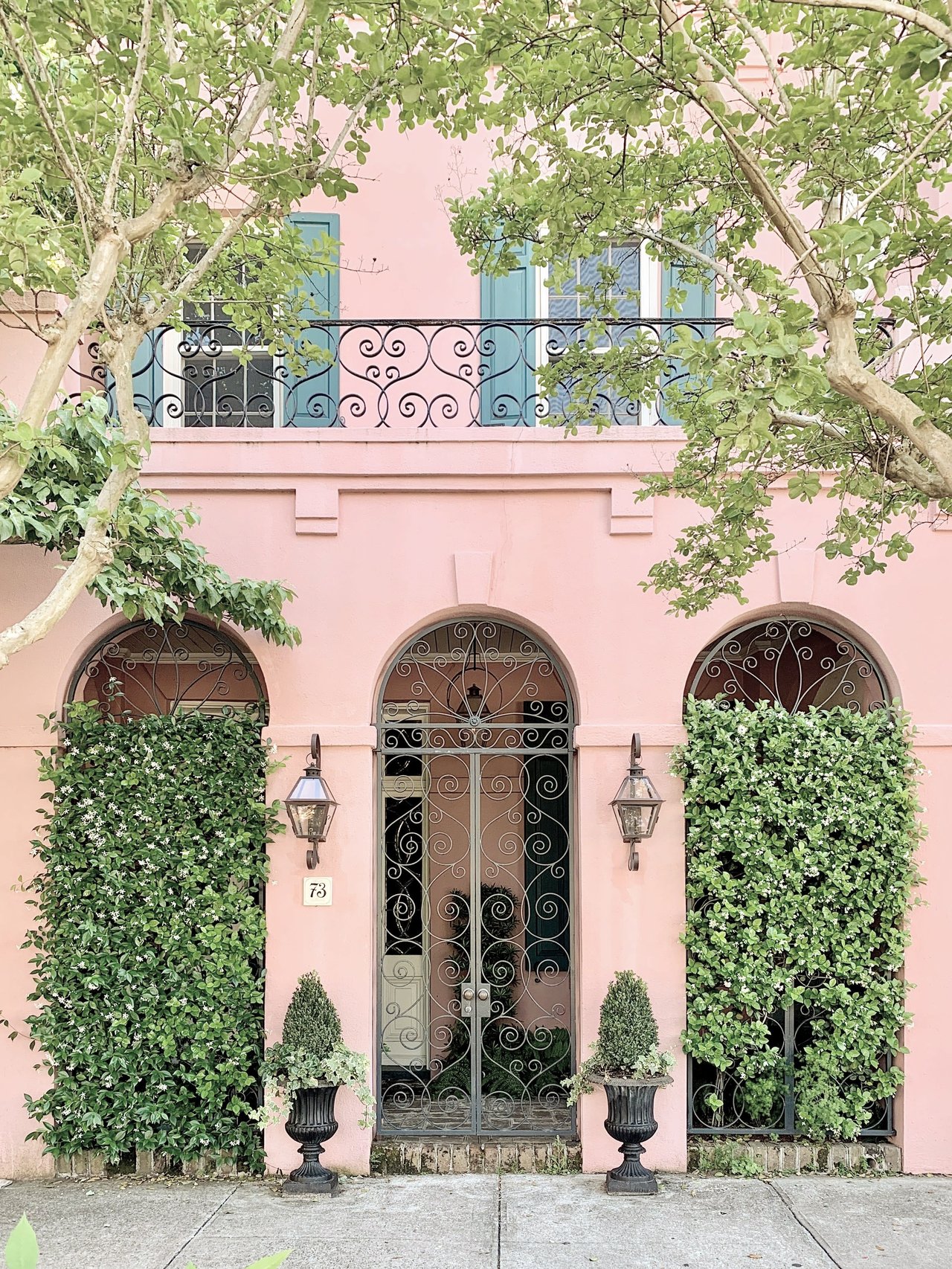
With its cobblestone streets, pastel single houses, and centuries of history around every corner, Downtown Charleston is one of the most iconic places to live in the South. Life here means walking to world-class restaurants, strolling the Battery at sunset, and calling a piece of living history home—whether that's a restored antebellum mansion South of Broad or a sleek condo near the waterfront. Our Downtown Charleston neighborhood guide breaks down what makes each historic district distinct, so explore it below, and when you're ready to make a move, Island House Real Estate is here to help.