Welcome to the Isle of Palms, SC
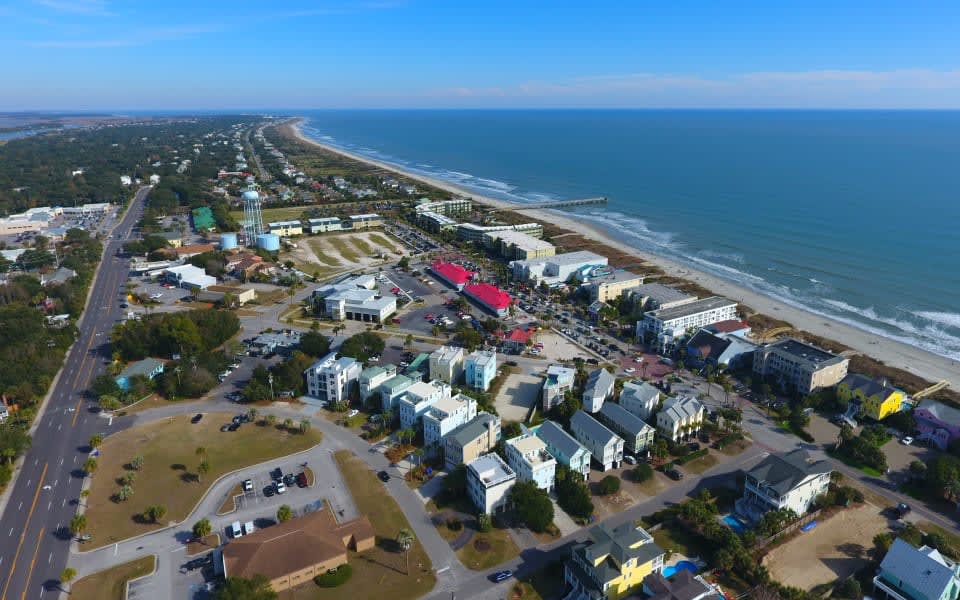
Isle of Palms — "IOP" to anyone who spends real time here — is the rare barrier island that manages to feel both upscale and unpretentious. You'll find manicured resort fairways a few minutes from a beachside burger shack, and the whole island runs on a golf-cart-and-flip-flops rhythm dictated more by the tide chart than the clock. It offers the wide, open beaches of a private island without the rigid, gated-off feel of some of its more exclusive neighbors down the coast.
The island tends to suit three kinds of buyers especially well. Active families and retirees gravitate to it for the safe, bikeable streets, the strong parks and recreation center, and a tight-knit year-round community that comes alive once the summer crowds thin out. Boaters and golfers are drawn by the marina on the Intracoastal Waterway and two championship golf courses. And then there's the hybrid buyer who wants the isolated-island feel without truly being cut off — because the IOP Connector drops you into Mount Pleasant in minutes and historic downtown Charleston in under half an hour, you get the beach-town dream with full access to top grocery stores, hospitals, and city life.
If that balance of laid-back coastal living and genuine convenience sounds appealing, the rest of this guide walks through everything you'll want to understand before you buy.
The Isle of Palms Real Estate Market
The IOP market behaves like a blue-chip asset. Because the island is a barrier island, development is hemmed in by nature itself — there's simply no room to sprawl. That permanent scarcity keeps inventory tight and values resilient through market cycles.
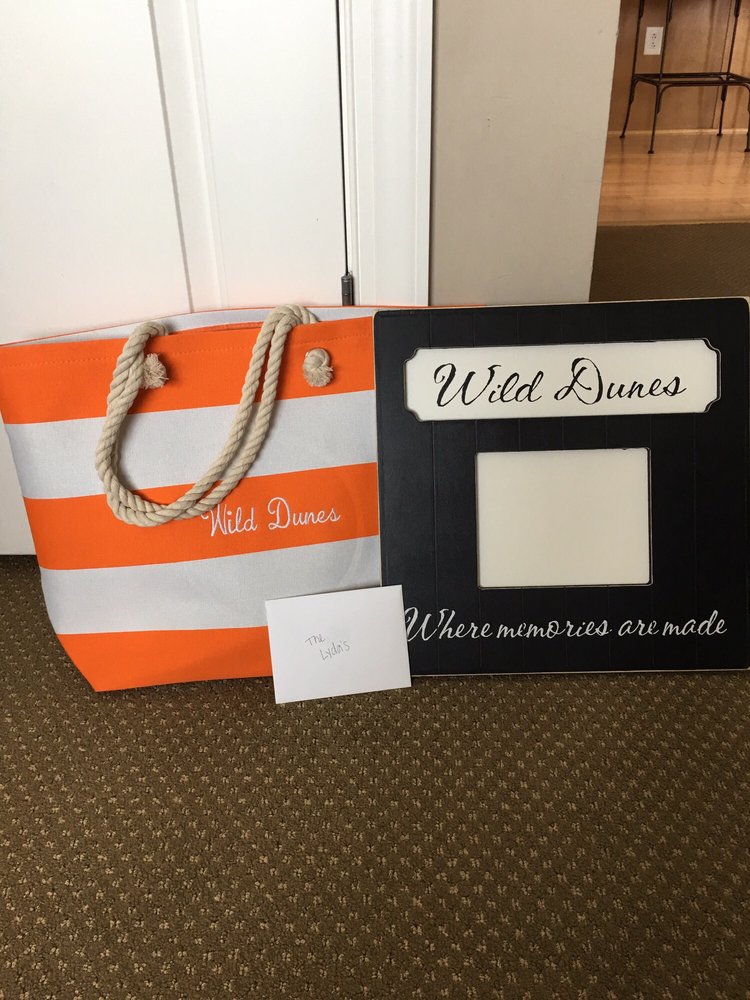
It helps to think of the island in two zones. The Open Island is the traditional residential grid plus the commercial front-beach area, where you'll find everything from classic cottages to oceanfront estates. Wild Dunes is the large gated resort community occupying the island's northern tip, with its own pricing dynamics and ownership structure.
Here's how the market generally breaks down:
| Property Type |
Typical Price Range |
What You're Buying |
| Condos & Townhomes |
$600K – $2.5M+ |
Turnkey 1–3 bedroom units, often inside Wild Dunes or near the marina, with strong rental potential. The occasional tiny beachfront "studio" condo starts around $250K. |
| Single-Family Homes |
$1.5M – $4M |
Inland or marsh-front homes, older beach cottages, and elevated contemporary builds a few blocks off the ocean. |
| Luxury & Oceanfront |
$4M – $10M+ |
Expansive estates with unobstructed Atlantic views, private boardwalks, and custom finishes. |
A defining feature of this market is that most IOP buyers don't choose between lifestyle and investment — they want both. Single-family homes make up the bulk of the permanent residential footprint, while condos are favored by second-home buyers and investors who want low-maintenance properties that double as high-earning vacation rentals. Many owners use their property personally for part of the year and rent it the rest, letting summer income offset the carrying costs.
As of recent cycles, the median listing price tends to sit between roughly $1.9M and $2.4M, with homes averaging around 50 to 70 days on market. Inventory ebbs and flows seasonally, but competition for prime locations stays deep — there's only so much island to go around.
Beachfront & Oceanfront Living
Owning oceanfront on IOP means Atlantic sunrises from your own windows and direct access onto wide, sandy shores. Life along Palm Boulevard, the island's main beachfront strip, is vibrant and social — your backyard is shared with nesting sea turtles, morning joggers, and pelicans flying in formation. Because the beach is public up to the high-water mark, front-beach living is anything but private, especially in peak summer. That's a feature for some buyers and a dealbreaker for others.
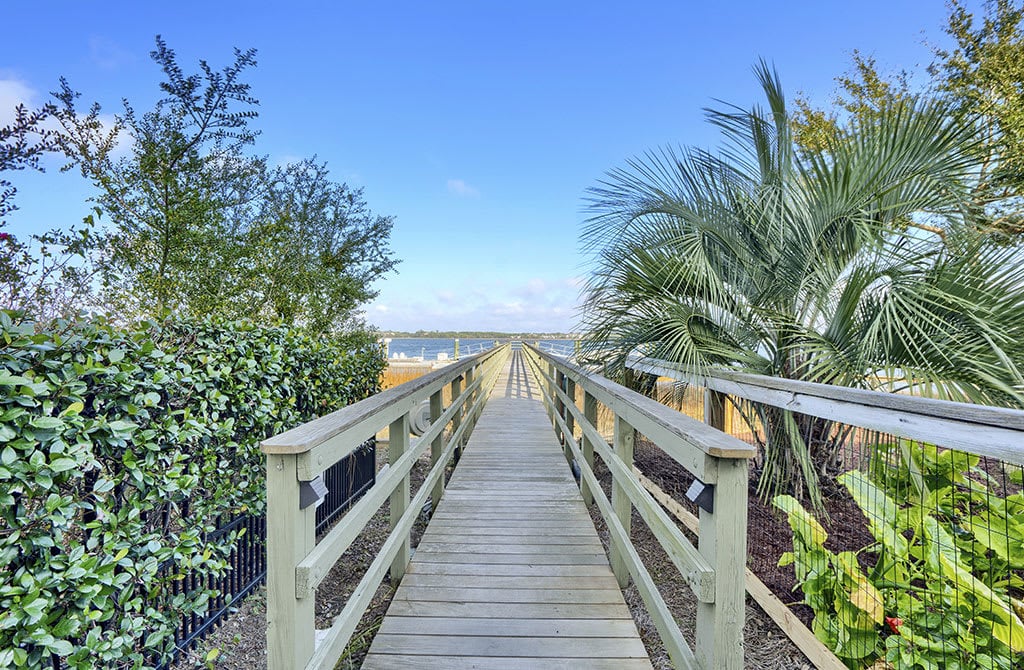
What's less obvious to first-time coastal buyers is how much of oceanfront ownership is governed by the dunes. Oceanfront homes sit on deeply set-back "dune lots," and a meaningful share of your property's value is tied up in the protected sand and sea oats buffering your home from the ocean. You can't simply walk over the dunes at will — protecting that topography almost always means maintaining a private wooden boardwalk, or "walkover," from your property to the sand. And because South Carolina strictly regulates building heights and placement, your actual ocean view depends heavily on how tall and wide the primary dunes sit in front of your specific lot.
Beyond the lifestyle, front-beach ownership comes with real responsibilities worth understanding before you fall in love with a listing:
- Jurisdictional lines matter. The state establishes erosion-based "baselines" and "setback lines." If a major storm destroys an oceanfront home or pool, state and local rules — not just your wishes — determine whether and how you can rebuild, sometimes capping the replacement's footprint.
- The salt tax is real. Constant wind, salt spray, and moisture shorten the life of HVAC units, paint, decking, and metal fixtures. Boardwalk and sand-fence upkeep is a standard annual line item.
- Insurance runs high. Oceanfront homes typically sit in FEMA's high-risk VE flood zones. A full insurance stack — homeowners, wind/hail, and high-limit flood — frequently exceeds $20,000 a year for a single-family estate.
None of this should scare off a serious buyer. It simply means front-beach ownership is as much stewardship as luxury, and the numbers deserve a clear-eyed look up front.
Wild Dunes Resort & Gated Communities
Occupying roughly 1,600 acres on the island's northern end, Wild Dunes is a private, gated, master-planned oceanfront resort. While the rest of IOP runs on an open grid, Wild Dunes is pass-controlled and self-contained, blending residential neighborhoods with a Four-Diamond resort. The vibe is quieter, more manicured, and distinctly leisure-focused.
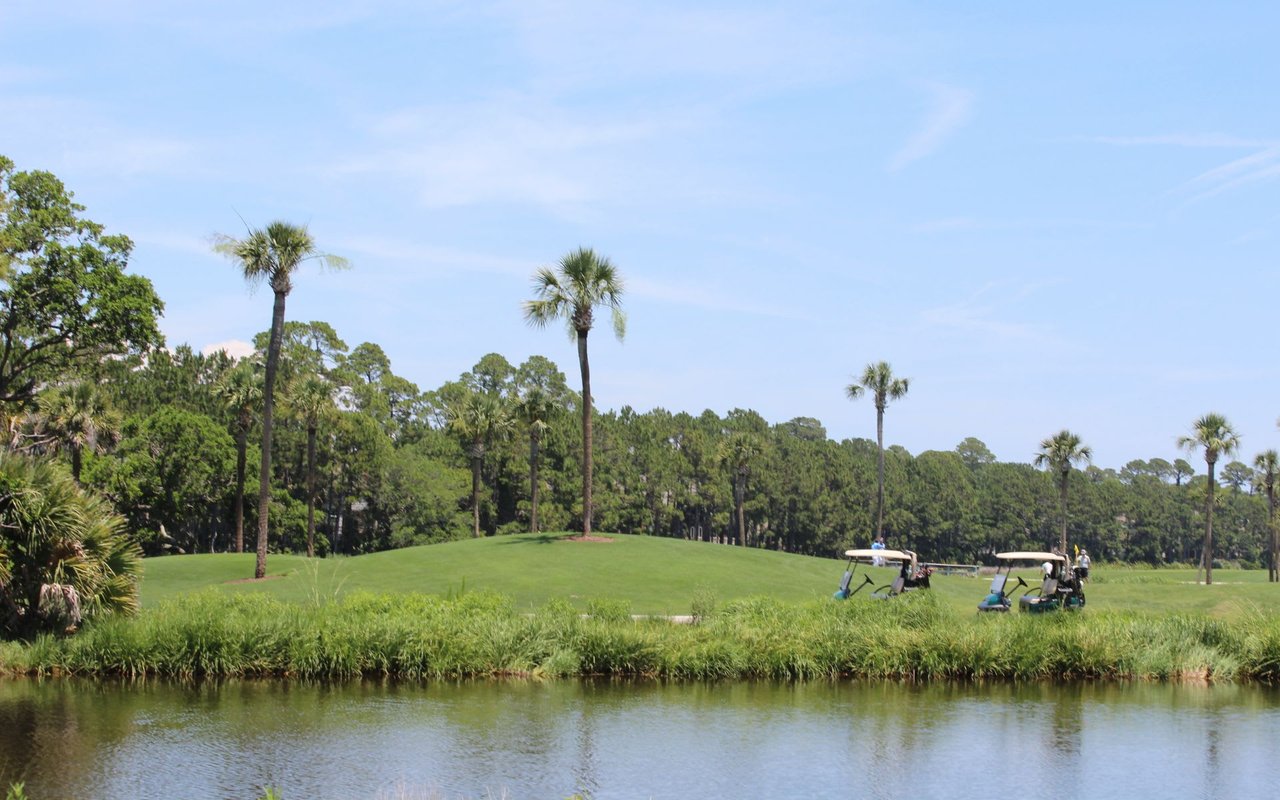
It's a genuine draw for golfers, players, and amenity-seekers. The community is anchored by two Tom Fazio–designed 18-hole courses — the Links Course, famous for its dramatic oceanfront finishing holes, and the Harbor Course, which plays along the Intracoastal Waterway. The Wild Dunes Tennis Center is nationally ranked, with clay and hard courts plus a fast-growing pickleball footprint, and the Grand Pavilion anchors the social scene with oceanfront pools, cafes, and beach boardwalks.
Where buyers most often need guidance is the cost structure, which works like a pyramid:
- Master HOA fee. Every owner pays an annual assessment to the Wild Dunes Community Association — roughly $983/year — covering gated security, private roads, and common-area landscaping.
- Neighborhood/regime fees. Condo, villa, and townhome owners pay an additional monthly regime fee, ranging from around $225/month for simpler neighborhoods to over $1,200/month for oceanfront high-rises. These cover building exteriors, common pools, and master building insurance.
- Club membership is separate. This is the single most common misconception: buying here does not grant access to the pools, golf, or fitness facilities. Using resort-owned amenities requires a separate Wild Dunes Club membership, with its own initiation fee and monthly dues.
A few other realities worth flagging: many of the beachfront condo buildings date to the 1980s, so special structural assessments — for balconies, impact windows, and the like — do come up, occasionally running into the thousands per unit. And while Wild Dunes is very rental-friendly, the association strictly enforces rules on parking, noise, trash, and even hanging towels from balconies. I always recommend reviewing a building's recent assessment history and reserve health before writing an offer.
Waterfront & Boating: Intracoastal, Creeks & the Marina
Flip to the back side of the island and the Atlantic gives way to the marshy expanse of the Intracoastal Waterway (ICW) and Morgan Creek. For boaters, buying waterfront here demands an understanding of Lowcountry hydrology, because water depth dictates both value and daily logistics.
The key distinction is deepwater versus tidal-creek access. True deepwater lots sit on the ICW or the main channels of Morgan Creek and grant genuine 24/7 navigation — at any tide, you can keep a deep-draft boat floating at your private dock. These command a premium that rivals oceanfront pricing. Tidal-creek lots, by contrast, sit on smaller finger creeks; at high tide you have a beautiful expanse of water, but at low tide it recedes entirely, leaving your boat resting on a lift over exposed pluff mud. Owners here live by the tide chart, working within a three-to-four-hour window on either side of high tide.
It's also critical to know that waterfront land does not guarantee a dock. South Carolina tightly regulates marshland construction, and a dock permit requires meeting strict standards for frontage width and channel distance. In many cases, reaching navigable water means building a long elevated walkway through hundreds of feet of protected marsh grass — a real and substantial upfront cost. I never let a buyer assume "dockable" without verifying it.
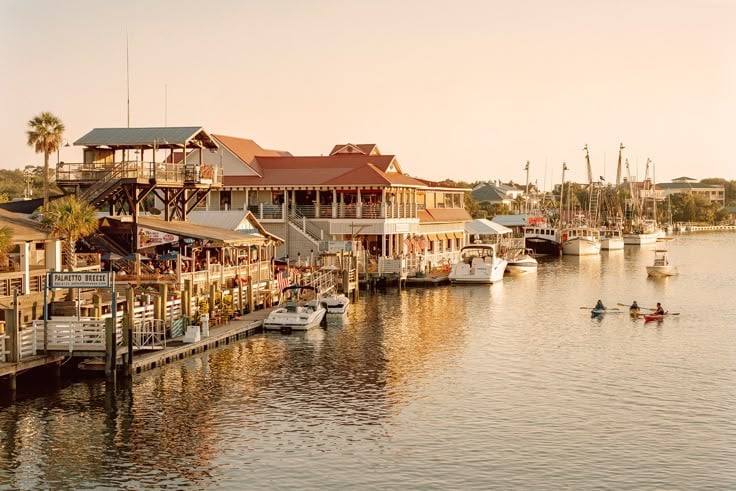
For owners who live inland or on the beach side, the Isle of Palms Marina serves as the island's nautical hub. Sitting on the ICW near the Connector, this city-owned, fully renovated facility offers a double-wide public boat ramp, app-based dry-stack concierge launching, the Marina Outpost ship's store and deli, and a new public dock and pavilion with an ADA-compliant kayak/SUP launch — so you can enjoy the water without owning private waterfront land.
Investment & Vacation Rental Potential
Isle of Palms is one of the strongest short-term rental (STR) markets in the region. Its proximity to historic Charleston, combined with wide beaches and resort amenities, draws high-spending vacationers year-round, peaking from April through October. Large beachfront estates can gross $15,000–$25,000 per week in mid-summer. Crucially, while neighboring communities like Mount Pleasant and parts of James Island have imposed strict caps or outright bans, IOP remains explicitly rental-friendly, with no cap on the number of STR permits issued.
That said, the city regulates how rentals operate, and these rules carry teeth:
- The 1-hour rule. Every STR must designate a local representative on call 24/7 who can physically respond to a noise, trash, or parking complaint within one hour.
- Occupancy limits. Overnight occupancy is capped using a formula of two people per bedroom plus two more, up to an absolute maximum of 12 (excluding children under two).
- Parking plans. Overnight parking (11 PM–9 AM) is limited by bedroom count, and cars can't block public right-of-ways.
- Whole-home rule. Single-family homes must be rented in their entirety — no renting individual rooms.
The number that surprises out-of-state investors most is the tax structure. South Carolina assesses primary residences at a 4% ratio but second homes and rentals at 6% — and because of how local millage interacts with that ratio, the switch effectively triples your annual property tax bill. On a $2M property, that's the difference between roughly $7K–$9K and $24K–$28K per year.
So why do the numbers still work? Because gross rental volume is high enough to absorb both the 6% rate and the elevated insurance. Experienced investors treat IOP as a hybrid play: a stable, appreciating blue-chip asset whose high-yield summer rentals heavily offset carrying costs and debt service. The model rewards realistic underwriting — when we run the numbers together, we build in the 6% rate, accommodations taxes (roughly 11–14% total), insurance, and professional management from day one, not after closing.
Things to Do & Island Amenities
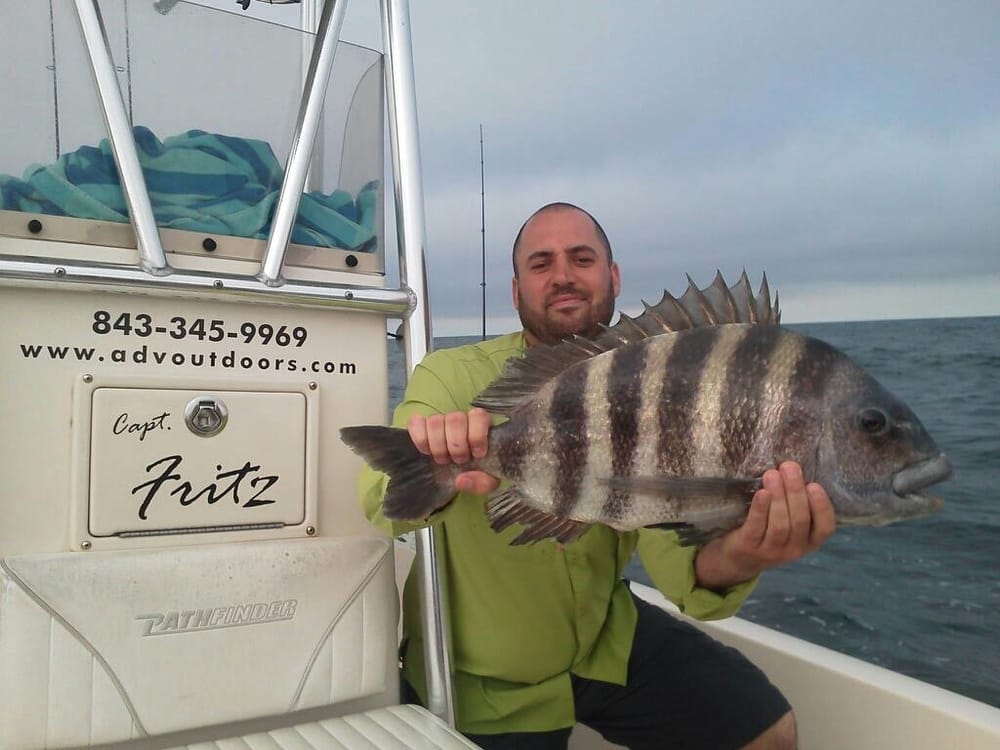
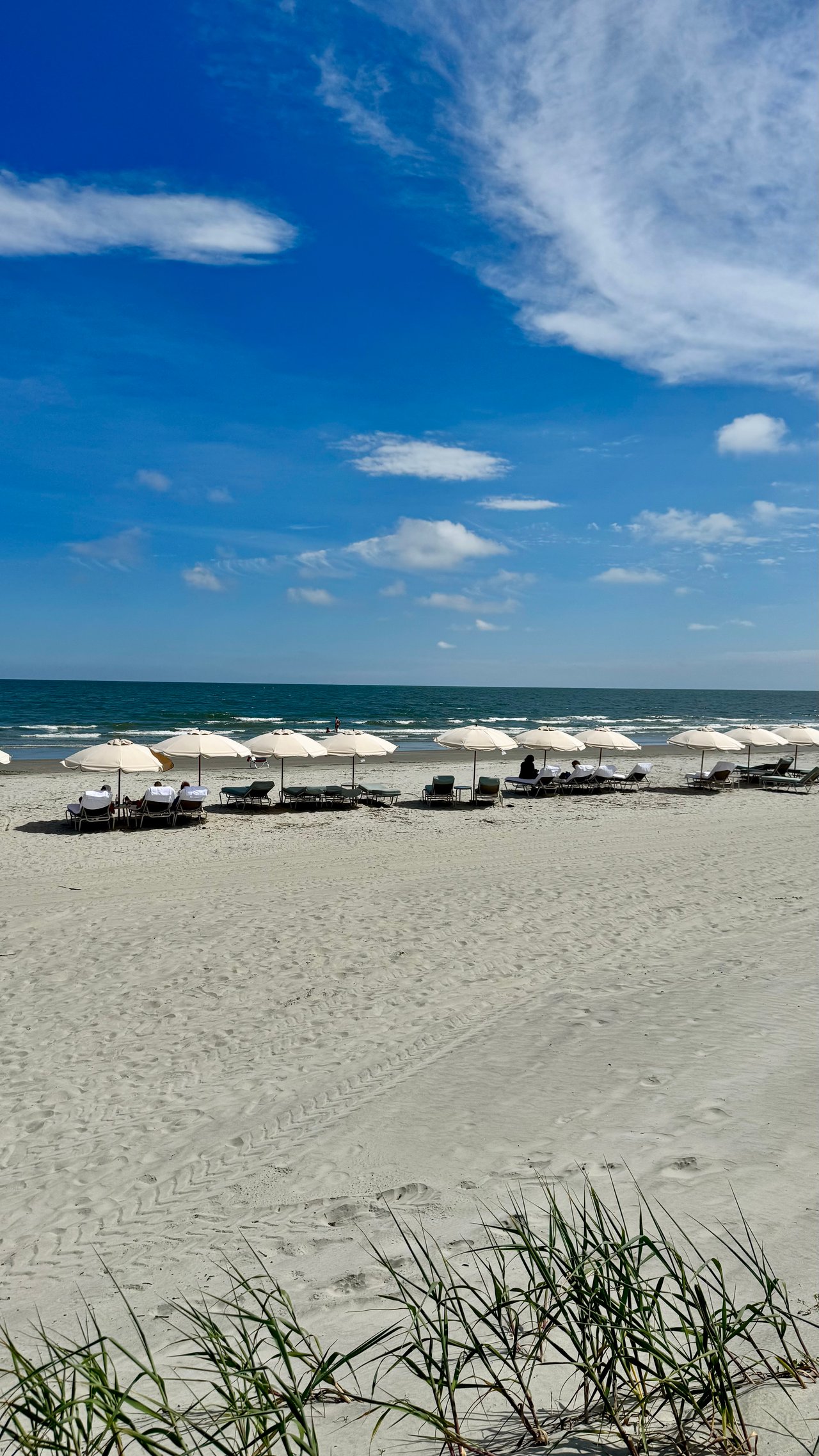
The island's crown jewel is its seven miles of wide, sandy shoreline — broad, flat, and remarkably resilient compared to many eroding barrier islands. At low tide, locals bike the hard-packed sand, fish the surf, and walk dogs. One genuinely local thing to know: IOP's dog ordinance shifts seasonally. From April 1 to September 14, dogs run off-leash only between 5 and 9 AM; the rest of the year (September 15–March 31), the off-leash window widens to 4 PM through 10 AM. Outside those hours, leashes are required.
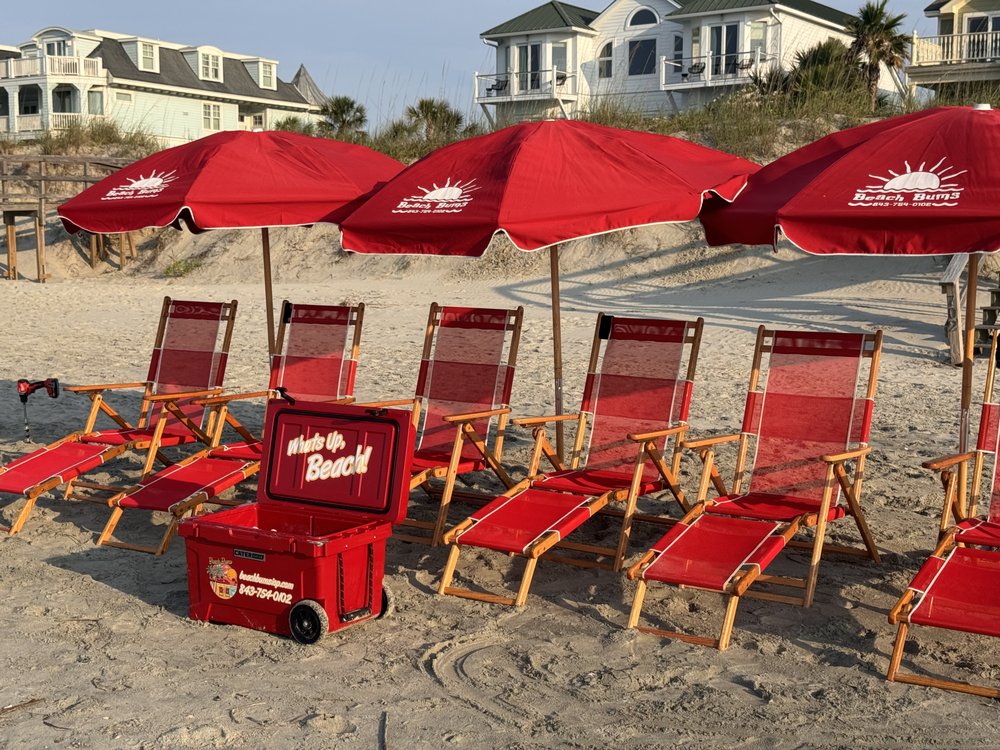
For organized beach access, the Isle of Palms County Park at 14th Avenue is the resource-rich hub — 445 parking spaces, showers, restrooms, a playground, sand volleyball, and shaded picnic areas with grills. In peak season it's lifeguarded and rents chairs, umbrellas, and boogie boards. A local tip: the lot routinely fills by 10:30 AM on summer weekends, and weekend parking runs up to $25 (free for Charleston County Parks Gold Pass holders).
Away from the ocean, the IOP Recreation Center on a 28-acre complex at 28th Avenue is the true heartbeat of the year-round community — lighted tennis and pickleball courts, basketball, a high-end playground, soccer and baseball fields, a bark park, a disc golf course, and a large indoor gym hosting fitness classes, youth leagues, and camps.
Dining & Local Shopping
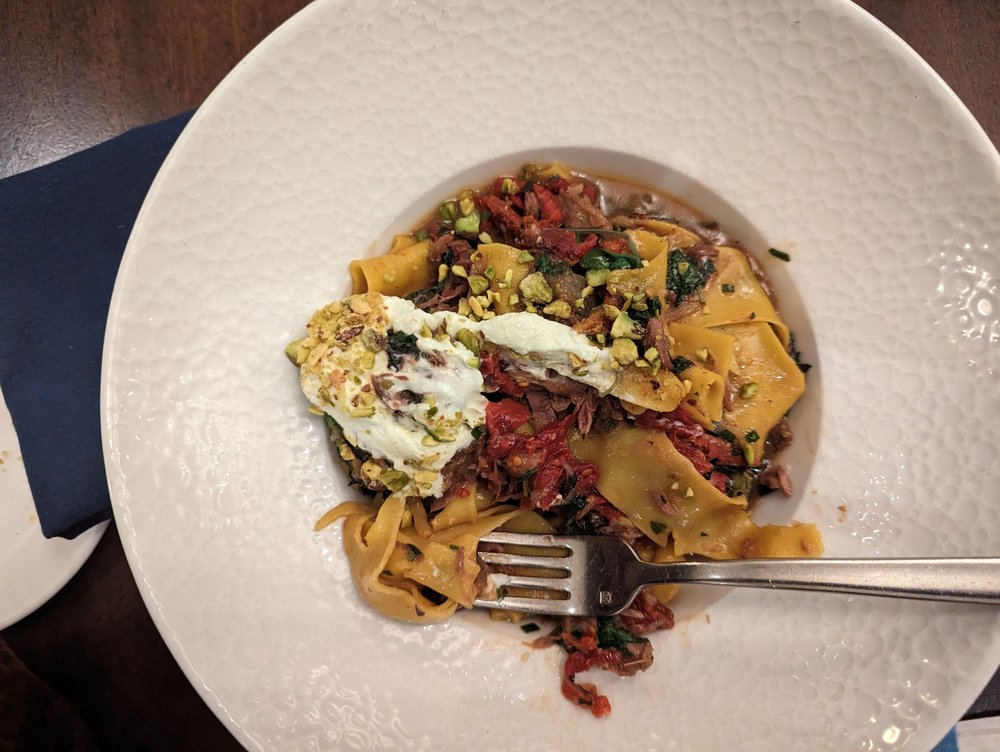
IOP's food scene hits two distinct notes: salty-hair-welcome beach joints and reservation-worthy culinary destinations.
Along Ocean Boulevard, the main casual strip, you'll find institutions like The Co-Op (breakfast sandwiches and house-made frozé), Acme Lowcountry Kitchen (the go-to for shrimp and grits), and Coconut Joe's with its rooftop deck over the sand. For something more elevated, Coda del Pesce sits right on Front Beach serving contemporary seafood with sweeping Atlantic views. Out at the island's edges, The Boathouse at Breach Inlet delivers spectacular sunset water views, and Islander 71 Fish House serves fresh catches right on the Intracoastal at the marina. Inside Wild Dunes, dining leans upscale-casual, with Coastal Provisions and The Nest Rooftop Bar leading the way.
Shopping here is deliberately independent and boutique — local zoning protects the small-town aesthetic, so you won't find malls or big-box stores. The Ocean Boulevard shops cater to the coastal lifestyle, anchored by longtime staples like Isle of Palms Surf Co. alongside gift shops, jewelry boutiques, and galleries showcasing Lowcountry artists. For groceries, most residents rely on the Harris Teeter just across Breach Inlet on Sullivan's Island or the larger centers in Mount Pleasant, while Hudson's Market (in Wild Dunes) and the Marina Outpost handle gourmet grab-and-go and boat provisions.
Getting Around: The IOP Connector & Commute to Charleston
The island's lifeline is the Isle of Palms Connector (SC-517), a 3.5-mile, four-lane bridge spanning the Intracoastal and salt marshes straight into northern Mount Pleasant. A secondary route runs via Breach Inlet onto Sullivan's Island and across the historic Ben Sawyer swing bridge — scenic, but slower, with lower speed limits and occasional bridge openings.
Off-peak drive times are quite manageable:
| Destination |
Drive Time |
| Mount Pleasant (Towne Centre / groceries) |
5–10 minutes |
| Downtown Charleston |
25–35 minutes |
| Charleston Int'l Airport (CHS) |
30–35 minutes |
A downtown commute during the school year runs just over half an hour via the Connector, across Mount Pleasant, and over the iconic Arthur Ravenel Jr. Bridge. The pattern that catches newcomers off guard is the summer bottleneck: between Memorial Day and Labor Day, morning off-island traffic flows fine, but on-island traffic clogs from roughly 10 AM to 2 PM as day-trippers pour in, and holiday weekends can back up the Mount Pleasant side of the Connector. Residents learn quickly to run errands early and "beat the bridge."
Schools & Family Life
Isle of Palms is part of the Charleston County School District, and thanks to the strong East Cooper tax base, the public schools serving the island rank among South Carolina's best. Most island elementary students are zoned for Sullivan's Island Elementary, a coveted partial-magnet school focused on coastal environmental science and sitting steps from the beach. From there, students typically head to the mainland for Moultrie Middle School and then Wando High School in Mount Pleasant — a large, competitive school known for its AP offerings, athletics, and career-and-technical pathways. Families seeking private education have strong East Cooper–accessible options including Porter-Gaud, Ashley Hall, and Palmetto Christian Academy.
Beyond academics, the island's off-season (September through April) reveals a profoundly tight-knit, safe family community. Kids ride bikes and golf carts along the designated paths on Palm and Waterway Boulevards, trick-or-treating is a legendary local event, and holiday golf-cart parades are a tradition. Growing up here means a childhood steeped in surfing, crabbing, sailing, and marine biology, with the rec center filling every after-school gap.
Cost of Ownership: Taxes, Flood & Wind Insurance
Because IOP is a barrier island, underwriting works differently than on the mainland — carrying costs can rival a mortgage payment if you don't plan for them. Three areas deserve special attention.
Property taxes (4% vs. 6%). South Carolina's tiered assessment catches many out-of-state buyers off guard. A primary residence is assessed at 4% and qualifies for the school operating tax exemption — on a $2M home, roughly $7K–$9K a year. A second home or rental is assessed at 6% with no school credit, and that change effectively triples the bill — closer to $24K–$28K on that same $2M property.
Wind and hail. Standard homeowners policies here almost always exclude wind and hail, so you'll carry a separate wind policy. If private carriers decline due to ocean proximity, you fall back on the South Carolina Wind and Hail Underwriting Association — the "Wind Pool" — a market of last resort that typically caps coverage around $1.3M, meaning higher-value homes need private excess wind coverage on top. Wind policies also use percentage-based deductibles for named storms (often 1%, 2%, or 5% of insured value); a $2M home at a 5% deductible means $100,000 out of pocket before coverage kicks in.
Flood. Under FEMA's Risk Rating 2.0, premiums reflect a property's individual characteristics — elevation, foundation, distance to the coast — rather than broad zone maps. Oceanfront homes on pilings sit in the highest-risk VE zones; newer, code-compliant homes keep costs moderated, but older ground-level homes can push NFIP premiums toward $10,000+ a year. Interior and marsh-front homes in AE zones generally enjoy much lower premiums, though flood coverage is still strongly advised (and required with a mortgage).
The takeaway isn't that IOP is expensive to own — it's that the true cost is knowable, and a good agent helps you model it accurately before you're committed.
Is Isle of Palms Right for You?
IOP is a phenomenal place to live, but it rewards a specific lifestyle fit.
You'll likely love it if you want a genuine beach lifestyle built around bikes, flip-flops, and golf carts; you want high-end coastal living without the rigid restrictions of some private islands; you're looking for a blue-chip asset where summer rental income can subsidize your personal retreat; or you value top-tier public schools and a safe, active setting for family life or retirement.
You may want to look elsewhere if you have low tolerance for tourists and seasonal traffic from June through August; you want a low-maintenance budget, since coastal weathering, high insurance, and the 6% rate demand real reserves; or you crave walkable urban energy day to day — Charleston is close, but island life revolves around nature, water, and the golf course.
If those tradeoffs sound like your version of paradise, the smartest next step is to experience the island's distinct micro-markets in person — comparing the open front-beach grid against the gated, amenity-rich world of Wild Dunes — with someone who knows the difference cold.
Find Your Home on Isle of Palms
This is exactly the kind of decision we love helping people make. At Island House Real Estate, founded by Tricia Peterson in 2018, we built our firm on a simple idea: real estate is about finding a home to house the life you love. We pair a warm, genuinely empathetic approach with tireless effort, starting by listening carefully to your priorities and acting as your resource and advocate — never pushy, never self-serving. Tricia is recognized year after year among the top 1% of Charleston agents and as an East Cooper Top Producer, and our team has guided everyone from first-time buyers to multi-million-dollar oceanfront purchasers, including many relocating from out of state on tight timelines. We know the IOP micro-markets, the insurance realities, the Wild Dunes fee stacks, and the rental math — and we'll help you navigate all of it with clarity and confidence.
When you're ready to explore Isle of Palms, reach out to Island House Real Estate at (843) 847-1762 or [email protected]. Let's find the home that houses the life you love.