Search Charleston homes for sale, including luxury homes and new listings with Tricia Peterson.
Charleston, SC Housing Market
As of March 2026, the Charleston single-family housing market is characterized by a "Great Reset" toward normalcy, shifting away from the erratic volatility of previous years. The market is currently defined by sustainable growth and stabilization, with the median list price for houses hovering near $700,000. While inventory has increased by roughly 16% compared to the lows of late 2024, it remains below historical benchmarks, which continues to provide a solid floor for property values despite higher-than-average mortgage rates.
The competitiveness of Charleston's housing market is currently rated as "Somewhat Competitive," with a Redfin Compete Score of approximately 42 out of 100. Buyers now have more leverage than they did during the post-pandemic boom, as evidenced by a median sale-to-list price ratio of 97%. While "hot" homes in prime areas like Mount Pleasant or downtown still move quickly—often going pending in under 45 days—the average single-family home now sits on the market for roughly 70 to 90 days, allowing buyers more time for due diligence and negotiation.
One of the most significant factors influencing the 2026 market is the divergence between different "micro-markets" and the impact of environmental risks. While luxury areas like Sullivan's Island and the Old Village continue to see price appreciation due to extreme scarcity, inland areas like West Ashley and Summerville offer more accessibility. Additionally, climate factors have become a major driver of value; with over 70% of properties at risk of severe flooding, rising insurance premiums and flood zone designations are increasingly becoming central components of the negotiation process and long-term investment strategy.
When purchasing a single-family home in Charleston, SC, in 2026, the unique geography and strict local governance make it far more complex than a standard real estate transaction. Here are six critical factors to consider:
Charleston's low-lying elevation means every property is assigned a FEMA flood zone, such as AE (high risk) or X (moderate-to-low risk). In 2026, insurance costs are increasingly calculated using FEMA’s Risk Rating 2.0, which prices risk at the individual property level rather than by broad zones. It is vital to request an Elevation Certificate and an insurance quote before making an offer, as premiums for high-risk coastal homes can add $200–$500+ per month to your carrying costs.
South Carolina has a unique property tax structure that heavily favors primary residents. Owner-occupied homes are assessed at a 4% ratio, while secondary homes, rentals, and investment properties are taxed at 6%. This 2% difference is deceptive; because the 6% rate also disqualifies you from significant school operating tax credits, the actual tax bill for a non-primary residence is often two to three times higher than for a primary home of the same value.
If you plan to use your single-family home as an Airbnb or VRBO, you must navigate some of the strictest regulations in the country. By 2026, the City of Charleston has implemented distinct STR zones and residency requirements, often requiring the owner to live on the property full-time (primary residence) to legally rent it out short-term. Investors should verify the specific zoning and "overlay" rules for their neighborhood, as non-compliance can lead to heavy fines and the revocation of permits.
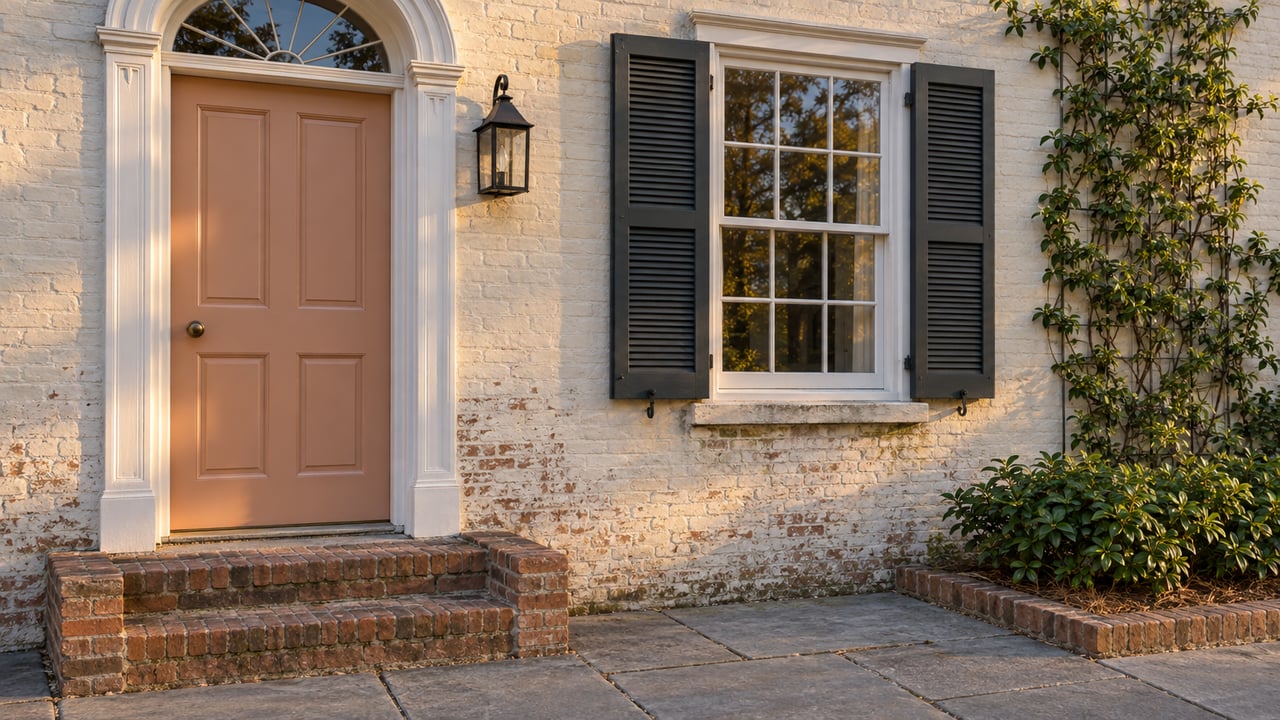
For those looking at homes on the Peninsula or in historic districts like the Old Village in Mount Pleasant, the Board of Architectural Review (BAR) has total authority over the exterior of your home. Any changes—from the color of your front door to the type of windows you install—must be approved to ensure historic preservation. This can significantly increase the cost and timeline of renovations, as the board often requires specific, expensive materials to maintain the neighborhood's "Lowcountry" aesthetic.
The Substantial Improvement Rule (or 50% Rule) is a critical regulation for older homes in flood-prone areas. If the cost of your repairs or renovations exceeds 50% of the structure's market value, federal law requires you to bring the entire home up to current flood-plain standards. In many cases, this means physically elevating the entire house on stilts or piers, a massive undertaking that can cost upwards of $150,000 to $200,000.
As the region continues its rapid expansion, traffic and drainage infrastructure have become major drivers of property value. In 2026, projects like the Lowcountry Rapid Transit (LCRT) and the Low Battery Seawall restoration are reshaping which neighborhoods are considered "future-proof." Homes in areas with "concurrency" plans—where infrastructure improvements are mandated to precede new development—typically see better long-term appreciation and less risk of the gridlock common in the exurbs.
Whether you're just starting your search or ready to make a move, Tricia Peterson is here to guide you every step of the way. With deep knowledge of the Charleston market, Tricia is committed to helping you find the perfect property. Reach out today — she'd love to hear from you!

Whether you're planting roots or just exploring your options, Charleston's neighborhoods each tell their own story — from the cobblestone charm of the French Quarter to the laid-back waterfront vibes of James Island. Finding the right fit means more than just a zip code; it's about the coffee shop on the corner, the commute, the community. Our Charleston Neighborhood Guide breaks it all down so you can discover the areas that match your lifestyle, your budget, and your vision of home.
Search the blog for the latest Charleston real estate tips, news, and more.