Search Johns Island homes for sale, including luxury homes and new listings with Tricia Peterson.
Johns Island, SC Housing Market
The Johns Island real estate market serves as a dynamic, rapidly growing bridge between Charleston's dense suburban mainland and its exclusive coastal resort islands. With a median sale price of $659,778, the market has posted a healthy 7.3% year-over-year appreciation, reflecting sustained demand from buyers seeking a blend of natural beauty and relative affordability. Unlike the smaller, tightly land-locked barrier islands nearby, Johns Island features a high transaction volume—evidenced by 235 homes closing recently—driven by an active mix of sprawling master-planned new construction communities and private rural acreage. However, the 4.2% dip in price per square foot highlights that a significant portion of this recent sales volume consists of larger, newly built suburban tract homes that offer buyers lower entry points per square foot compared to the island's premium waterfront estates.
Competition on Johns Island is remarkably balanced, offering an environment where both buyers and sellers can negotiate with a level head. The median days on market has climbed slightly to 77 days, giving house hunters roughly two and a half months of breathing room to tour properties and weigh their options. This deliberate market pace means sellers are securing solid deals but must remain highly realistic; the sale-to-list price ratio sits at 98.3%, and under 10% of homes are selling above asking price. With nearly 30% of active listings implementing price cuts to capture serious interest, buyers have recovered genuine leverage to request standard contingencies, structural repairs, and flexible closing dates without the fear of immediate bidding wars.
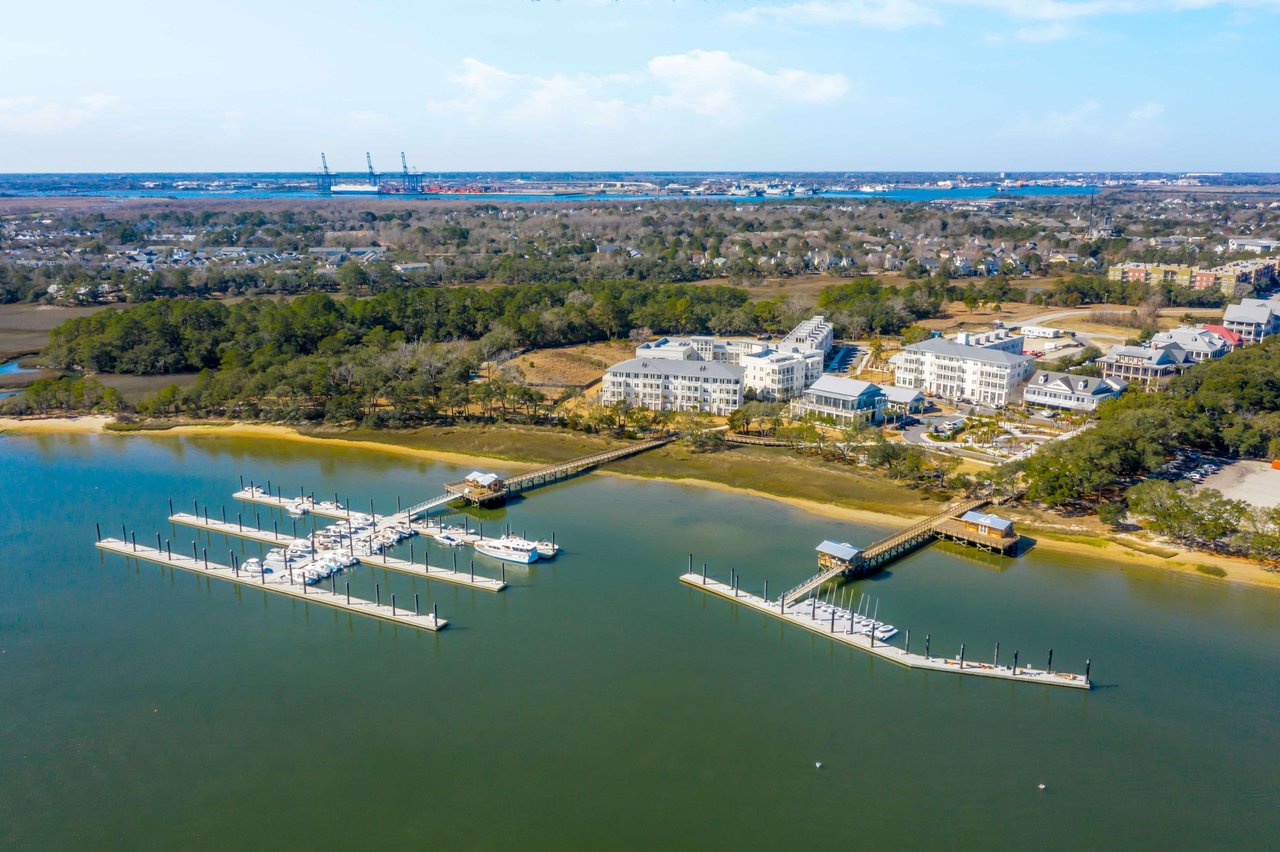
The true defining characteristic of Johns Island real estate is its dramatic geographic and lifestyle dichotomy. The island is essentially split into two vastly different markets: a high-density, newer suburban sector positioned closely along the Maybank Highway corridor, and a highly restrictive, ultra-luxury rural sector characterized by deep-water custom estates, equestrian farms, and gated golf communities like Briars Creek (where luxury transactions above $2 million are seeing double-digit growth). Because Johns Island is home to the legendary, 400-year-old Angel Oak Tree and extensive marsh ecosystems, large swaths of the island are fiercely protected by conservation easements and strict low-density county zoning. Prospective buyers must carefully weigh these distinct micro-neighborhoods, factoring in everything from local homeowner association restrictions to the variable commuter traffic patterns over the Stono River bridges into proper perspective.
Purchasing a home on Johns Island, SC, is an entirely different experience from buying on the smaller, heavily regulated barrier islands or the highly uniform mainland suburbs. As the largest island in South Carolina, Johns Island is a massive, biologically diverse landscape defined by a striking clash between rapid suburban growth and fiercely guarded agricultural heritage. Because it operates largely under Charleston County jurisdiction rather than an integrated city council, it possesses highly specific infrastructure and zoning quirks.
Johns Island is geographically bound to the mainland and neighboring James Island by just two primary bridges: the Stono River Bridge on Maybank Highway and the limehouse Bridge on Main Road. Because the island has grown exponentially over the last decade, these two two-lane thoroughfares create intense, hyper-localized traffic bottlenecks during morning and evening rush hours. If you buy a home deep on the southern or western ends of the island, your daily commute into downtown Charleston or Mount Pleasant can vary by up to 45 minutes depending entirely on the time of day and the opening schedule of the drawbridges for maritime traffic. Mapping out your daily routes and understanding bridge proximity is a mandatory first step.
Johns Island features some of the most dramatic zoning contrasts in the entire Lowcountry. Under the Charleston County zoning guidelines, a single street can transition directly from a high-density Planned Unit Development (PUD) featuring tightly packed, newly constructed suburban homes to an Agricultural (AG-8) zone, which mandates a minimum of 8 acres per residential dwelling. This means the long-term future of the land surrounding your property varies wildly. Buying a home without pulling the adjacent parcel zoning maps could result in waking up a few years from now to find a major master-planned subdivision—or conversely, a working equestrian farm or intensive agricultural operation—directly outside your window.
Home to the world-famous, 400-year-old Angel Oak Tree, Johns Island treats its maritime forest canopy with a level of legal reverence unmatched by almost any other municipality in the state. Charleston County enforces strict "Grand Tree" protection ordinances, defining any native tree (especially Live Oaks) with a trunk diameter of 24 inches or greater at breast height as legally protected. If you purchase a property with the intent to install a pool, clear a view, build a detached garage, or add a deck, you cannot simply cut these trees down. Removing a Grand Tree without explicit county permission and a certified arborist's mitigation plan can result in severe criminal code violations and crushing, multi-thousand-dollar fines per tree.
Johns Island is physically split down the middle by Charleston’s official Urban Growth Boundary (UGB), a line established to permanently protect rural land from suburban sprawl. Properties located inside the boundary generally have access to public water and sewer lines managed by St. John's Water Company. However, if you move outside the UGB into the rural, sweeping landscapes of the island, you shift entirely to private deep-well water and engineered septic systems. On Johns Island, testing the soil perk rate for septic capacity and verifying well-water quality are vital due diligence requirements, as an unperkable lot outside the UGB cannot legally be built upon or expanded.
Because the island is undergoing an active annexation tug-of-war, properties on Johns Island can fall under either the City of Charleston or unincorporated Charleston County jurisdiction—frequently switching block by block. This jurisdictional boundary creates vast differences in your day-to-day life and long-term holding costs. Properties annexed into the City of Charleston face an additional municipal property tax layer but receive city trash collection, street maintenance, and municipal police response. Unincorporated county properties enjoy slightly lower tax rates but must rely on county sheriff patrols and private contract waste management. Checking the exact municipal status of a parcel dictates your true annual cost of ownership.
Large swaths of Johns Island are permanently locked away under rolling agricultural conservation easements held by organizations like the Lowcountry Land Trust. While these easements are fantastic for preserving the island's breathtaking, low-density rural beauty, they carry substantial legal weight for incoming buyers. If you purchase an estate or acreage that is subject to a conservation easement, your property deed contains legally binding, permanent restrictions that restrict future subdivision, limit the total number of outbuildings you can construct, and dictate exactly how the land must be managed. Navigating these historic deed restrictions requires specialized title review before closing.
From sprawling acreage and custom homes beneath centuries-old live oaks to new construction and investment opportunities, Johns Island offers space, privacy, and authentic Lowcountry character—all within easy reach of downtown Charleston and the beaches. But with everything from rural farmland to established neighborhoods spread across the island, knowing where to look takes genuine local insight. Tricia Peterson knows Johns Island inside and out and is ready to answer your questions, walk you through your options, and help you find the property that fits your vision. Reach out today to start the conversation.
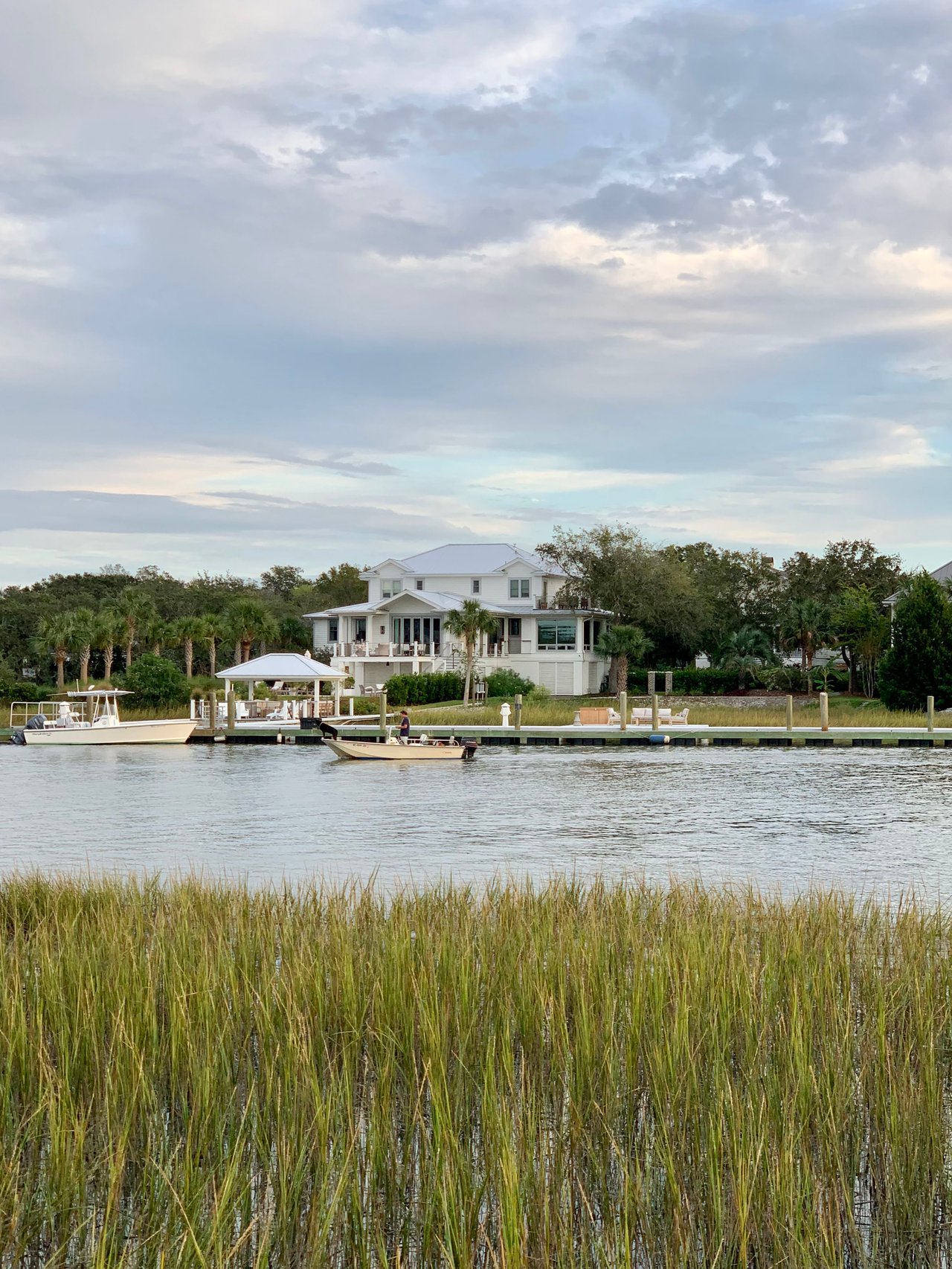
As the largest island in South Carolina, Johns Island offers a side of the Lowcountry that's harder to find elsewhere—sprawling live oaks, working farms, waterfront acreage, and a genuine rural character, all just minutes from downtown Charleston and the area's beaches. From historic homesteads and custom estates to new construction communities and investment opportunities, the island covers a remarkable range, and understanding its distinct pockets is key to buying well. Whether you're after space and privacy, a forever home, or a smart long-term play, our Johns Island neighborhood guide breaks down everything you need to know—so you can explore the market with clarity and confidence.