Thinking about buying on Daniel Island and not sure how the HOA and ARB fit into your plans? You’re not alone. The island’s beautiful, cohesive look is no accident, and those standards shape what you can build, renovate or even paint. In this guide, you’ll learn how the Daniel Island Community Association (DICA) and the Architectural Review Board (ARB) work, what to review during due diligence, and how to set your project up for a smooth approval. Let’s dive in.
DICA vs. ARB: who does what
DICA oversees community covenants and common areas across the island. It manages assessments, maintains amenities and publishes policies and design guidelines that help keep neighborhoods consistent. Some areas, like Daniel Island Park, can also have sub‑associations with extra rules. You should review both the island‑wide and neighborhood documents.
The ARB focuses on exterior design. It reviews and approves new builds and visible changes such as additions, fences, pools and driveways. The aim is to align projects with the island’s architectural standards and protect neighboring views, buffers and trees.
ARB approval is separate from county permits. You may also need building, zoning, tree or environmental permits from the local jurisdiction, which can be Charleston County or Berkeley County depending on your property. In coastal or flood‑affected areas, additional state or federal rules can apply.
What to check during due diligence
Before you make an offer or during your inspection period, ask the seller and association for key documents. These help you confirm compliance and plan any future work.
- Current HOA/ARB disclosure packet or resale documents
- Covenants, Conditions & Restrictions and neighborhood‑specific rules
- ARB Design Guidelines or Architectural Standards
- ARB approval letters for any exterior changes on the property
- Any open violations, fines or correction deadlines
- HOA estoppel or resale certificate showing dues and assessments status
- Plat, survey and any as‑built site plan
- Elevation certificate or FEMA flood zone designation
Why it matters: Unapproved changes can lead to correction orders, fines or the need for retroactive approvals. An estoppel confirms whether dues are current and if special assessments exist. Flood zone information affects construction methods and insurance on Daniel Island.
Projects that need ARB approval
Plan to ask the ARB before starting any visible exterior work. Common ARB‑regulated projects include:
- New construction and exterior additions like porches, sunrooms and garages
- Exterior finishes and color changes for siding, trim or brick
- Roofing material or color changes
- Fences and gates, including height, style and placement
- Pools, spas and surrounding hardscape
- Driveways, walkways and paving changes
- Landscaping that changes grade, removes significant trees or affects buffers
- Retaining walls, seawalls or shoreline work
- Mechanical equipment placement and screening, such as HVAC or generators
- Solar panels, satellite dishes and visible renewable energy equipment
- Temporary structures, storage sheds or construction staging visible from the street
Even small items that are visible from the right‑of‑way, such as house numbers or mailboxes, can fall under review.
What your ARB application should include
Complete applications move faster. While exact requirements vary, ARBs commonly ask for:
- A completed application form and applicable fee
- A scaled site plan showing property lines, setbacks and all proposed changes
- Elevations, details and manufacturer cut sheets for materials and products
- Color samples or paint chips with manufacturer names
- Photos of current conditions and the streetscape
- Contractor information and a proposed schedule
- A tree protection or mitigation plan if any trees are impacted
- A drainage plan if grade or impervious area will change
- For pools or shoreline work, engineering details may be required
Submitting a thorough package helps prevent deferrals and re‑submissions.
How reviews and timelines work
Most ARBs review at set meetings. After you submit a complete application, expect a review window that often ranges from two weeks to about 30 days. Complex projects may need refinements or a second look. Review fees and re‑submission fees can apply and are set by the current schedule.
Two key tips: pre‑application conversations are valuable, and completeness matters. Photos, accurate measurements and clear product data reduce questions and delays.
Common design guidelines on Daniel Island
Island‑wide standards aim for a cohesive Lowcountry look that fits streets and neighbors. While each neighborhood can have nuances, buyers often see guidance in these areas:
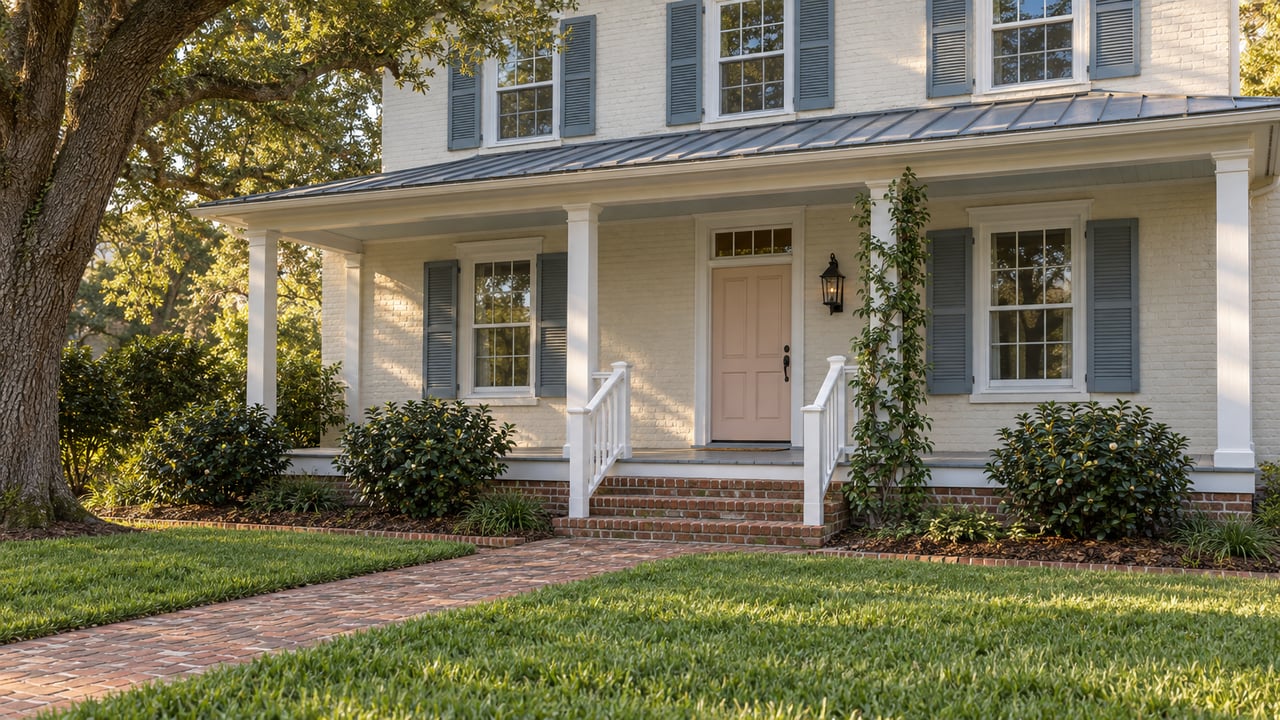
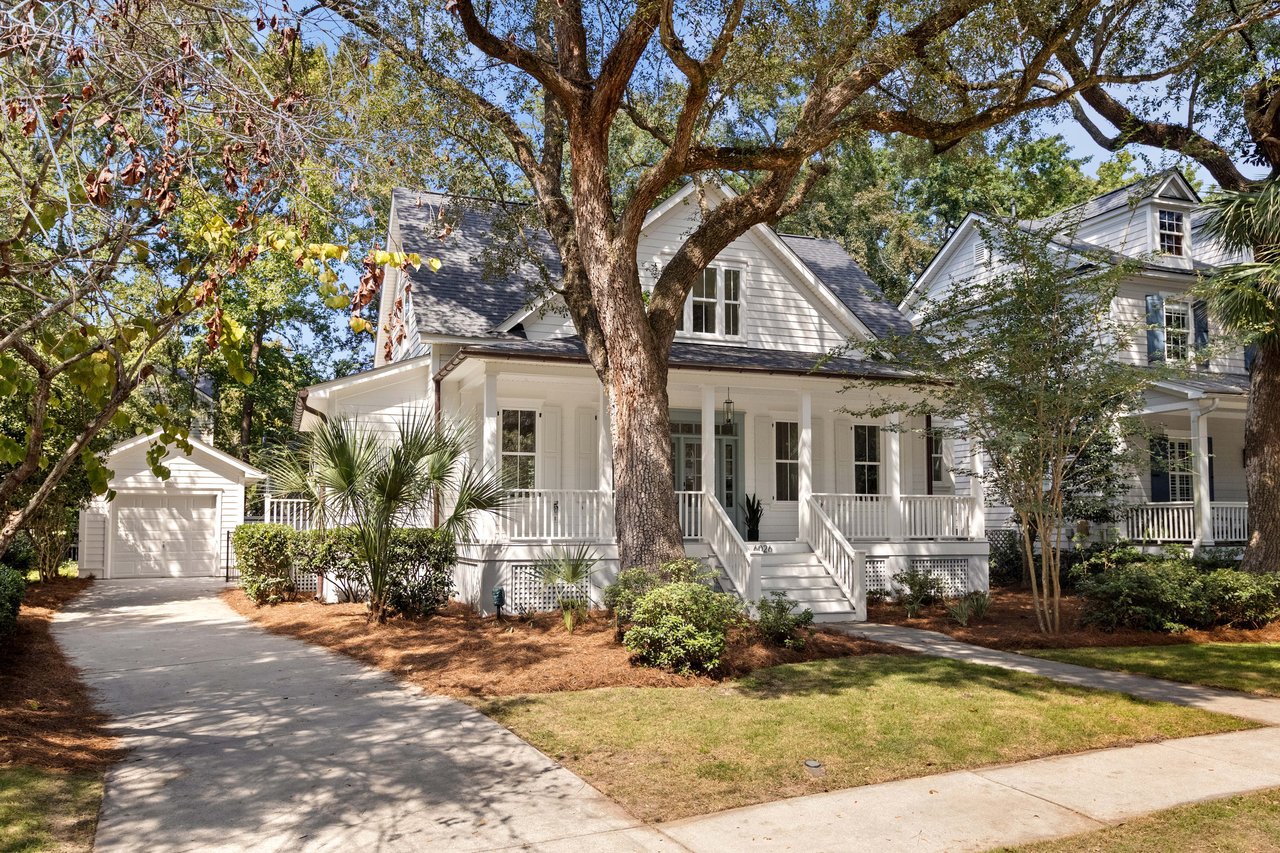
- Architectural character: Traditional coastal elements such as porches, raised foundations and gabled rooflines are often encouraged. Scale and massing that respect the street and neighboring homes are key.
- Materials and roofs: Durable, traditional cladding like brick, painted wood or fiber cement is common. Roof materials and colors are regulated, and highly reflective finishes are typically limited.
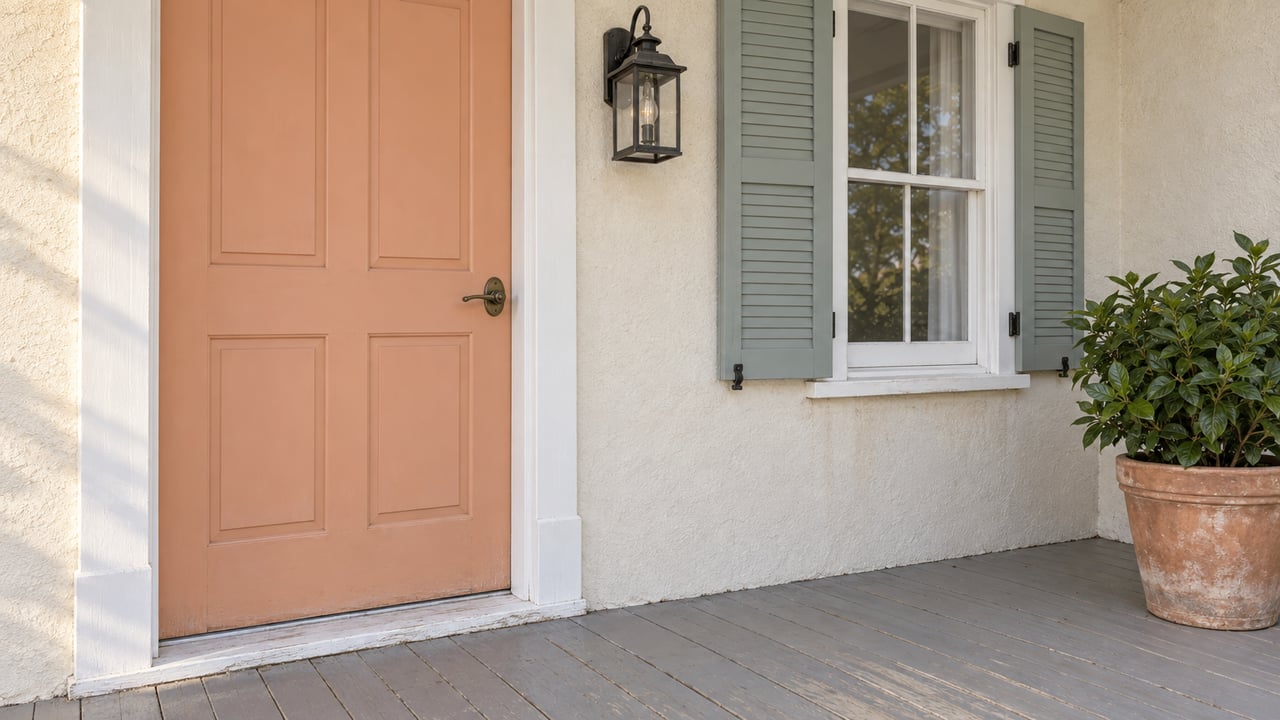
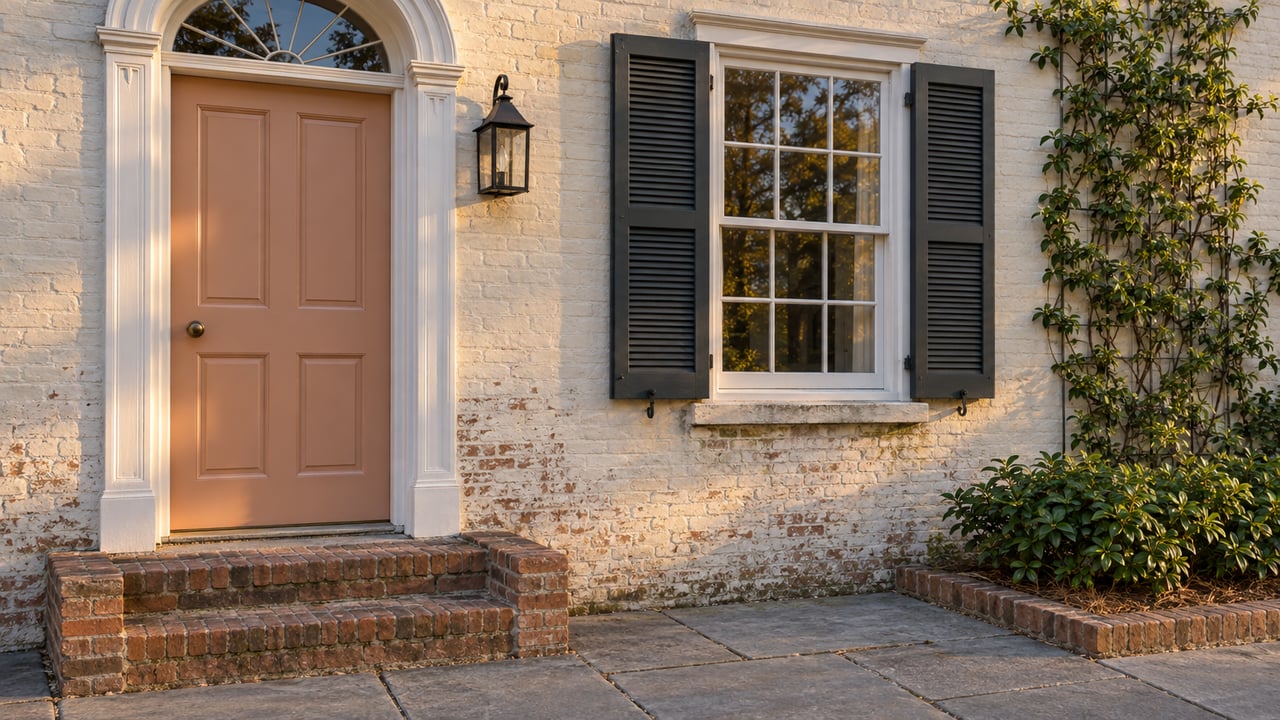
- Colors and trim: Color palettes are guided to maintain harmony. Accent colors may be allowed for doors and shutters with approval.
- Fences and gates: Front yard solid fencing is commonly restricted, while low open picket styles are often preferred in front setbacks. Privacy fencing in rear yards can be allowed with limits on height and materials.
- Paving and hardscape: Permeable pavers and textured finishes may be preferred. Curb cuts and driveway widths are controlled for safety and appearance.
- Landscaping and trees: Mature tree preservation is a priority. Removal usually requires approval and can require replacement plantings. Street trees and front‑yard minimums may apply.
- Mechanical and utilities: Equipment like condensers and generators must be screened from the street. Satellite dishes and antennas are typically placed out of view.
- Solar and renewables: Solar panels are increasingly permitted but are usually expected to be low‑profile and located on secondary or rear roof planes when feasible.
- Pools and shoreline work: Pools require ARB approval and often separate county or environmental permits. Equipment must be screened, and seawalls or bulkheads have added agency oversight.
Flood zones and elevation basics
Large parts of Daniel Island sit within FEMA flood zones. Local code and ARB expectations often favor raised foundations, proper venting and careful stair and entry design. Your elevation certificate will inform build requirements, flood insurance costs and design choices. If you plan to renovate or add living space, factor flood zone rules into your scope and timeline early.
Smart steps that prevent surprises
Use these practical moves to protect your plans and your budget:
- Ask for all prior ARB approval letters on the home, especially for roofs, fences, pools and additions.
- Request the HOA resale or estoppel packet early and read minutes for recent rule updates.
- If you plan changes post‑closing, book a pre‑application conversation with the ARB to test concepts.
- Hire architects, builders and landscapers who know Daniel Island expectations.
- Build time for ARB review and county permitting into your schedule, including possible revisions.
- Include contingencies for ARB and permits if your purchase hinges on making a specific change.
- Verify flood insurance requirements and factor elevation needs into your design and costs.
- If you discover unapproved work after going under contract, negotiate remediation, retroactive approvals or an escrow holdback at closing.
How a local advisor helps
Buying in a design‑controlled community requires more than a great floor plan. You want a guide who can spotlight covenants, interpret ARB guidelines and flag floodplain considerations before you commit.
As a boutique, Daniel Island‑focused brokerage, Island House Real Estate supports buyers with neighborhood insight and white‑glove coordination. From requesting resale documents to recommending architects and contractors who understand local standards, you get practical help that keeps your project on track. If you plan to renovate, our project management services can coordinate site plans, selections and timelines with your team so ARB and permitting steps stay organized.
Ready to move with confidence on Daniel Island? Connect with Tricia Peterson for a private consultation to map your goals, due diligence plan and timeline.
FAQs
What is the difference between DICA and the ARB on Daniel Island?
- DICA manages island‑wide covenants, assessments and common areas, while the ARB reviews and approves exterior design changes to ensure projects meet community guidelines.
Do I still need county permits if the ARB approves my project?
- Yes. ARB approval is separate from local building, zoning, tree and environmental permits, which you must obtain from the applicable county and agencies.
Which projects typically require ARB approval on Daniel Island?
- New homes, additions, exterior color changes, roofing, fences, pools, driveways, visible landscaping changes, retaining walls, solar panels and equipment screening usually require review.
What documents should I request during due diligence as a buyer?
- Ask for CC&Rs, ARB Design Guidelines, prior ARB approval letters, any violation notices, the HOA estoppel or resale certificate, a recent survey and the elevation certificate.
How long does ARB approval usually take?
- Timing varies, but many applications are reviewed within two to four weeks after a complete submission. Complex projects can take longer or need multiple rounds.
How do flood zones affect building on Daniel Island?
- Flood zones influence foundation type, elevation and venting, and they can impact insurance costs and design choices. An elevation certificate helps define requirements.
Can I include ARB approval as a contingency in my offer?
- Yes. If your purchase depends on a planned change, include ARB and permit contingencies during the inspection period to protect your ability to make that improvement.