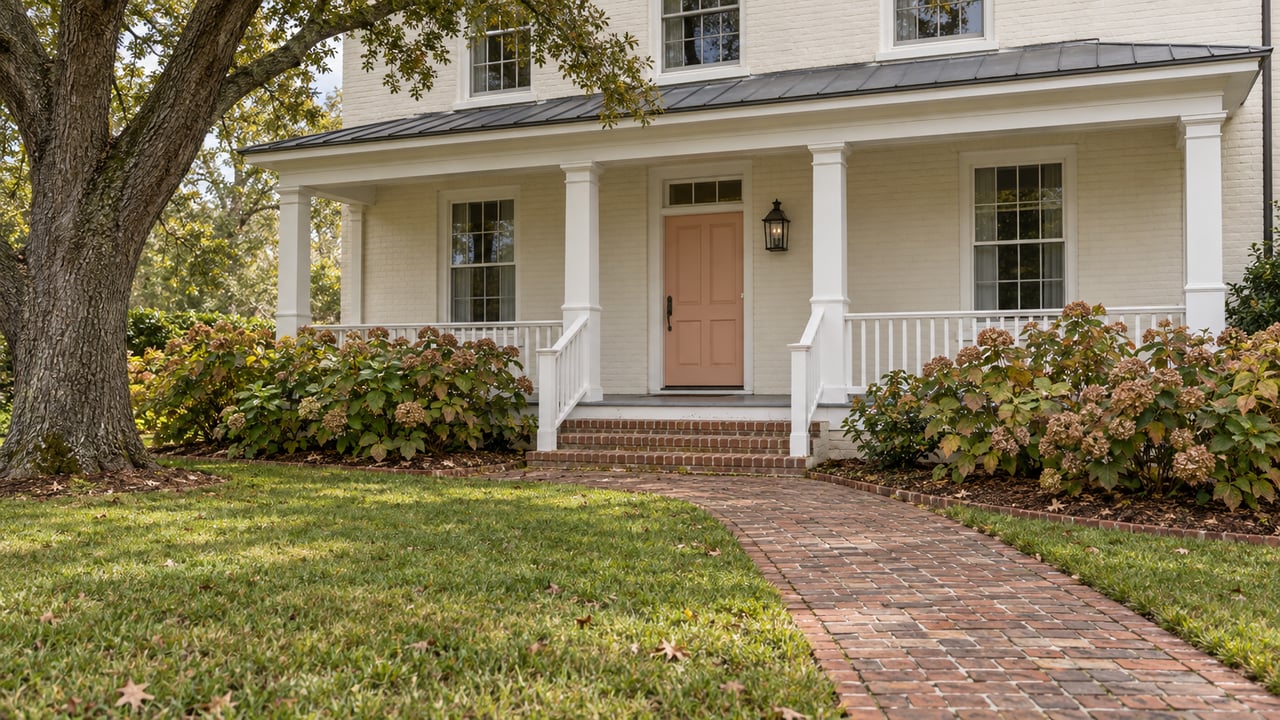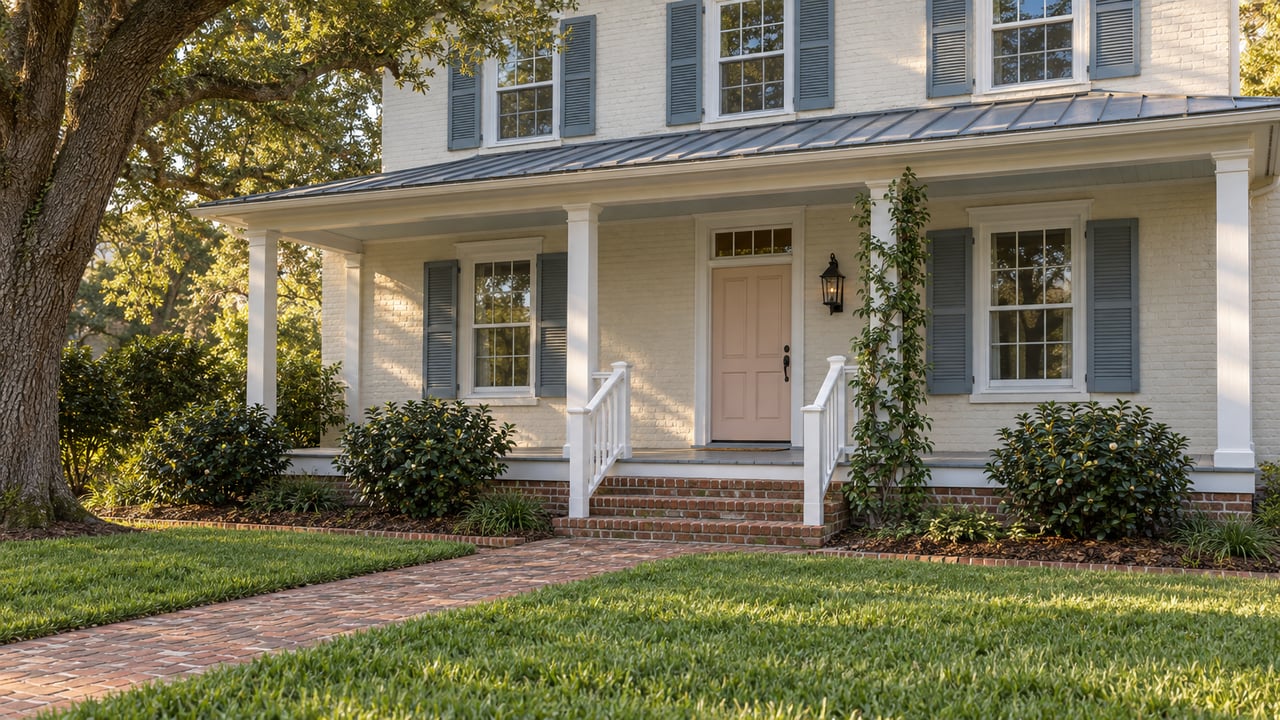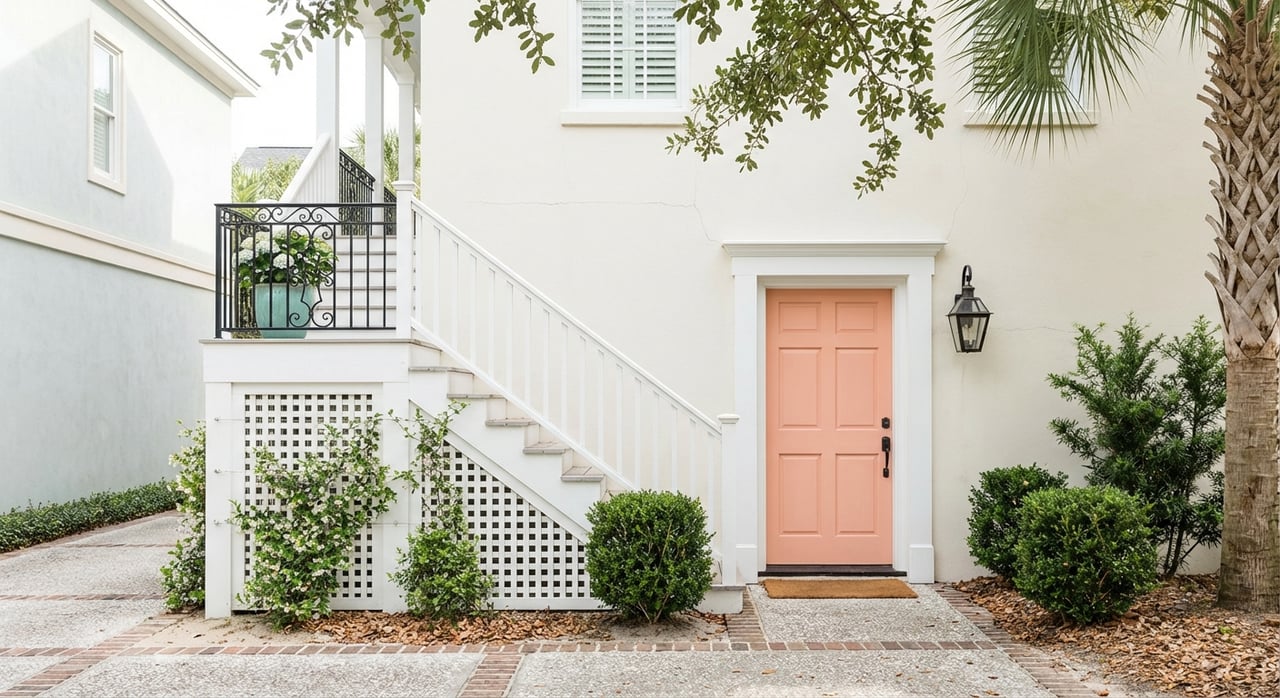
You can picture it already: coffee on the porch, salt air in the breeze, and an easy drive into downtown Charleston for dinner. If you’re considering a second home on Isle of Palms, you’re looking at one of the Lowcountry’s most coveted barrier islands. With that appeal comes specific costs, rules, and seasonal patterns that are important to understand before you buy. This guide breaks down what to expect on the island so you can plan with confidence and enjoy every beach day. Let’s dive in.
Why Isle of Palms fits second-home life
Isle of Palms blends a relaxed beach rhythm with quick access to Charleston’s culture, dining, and events. Regional tourism has been strong in recent years, which supports steady visitor demand for beach stays and island amenities. You benefit from the broader draw of the region’s historic charm and culinary scene while enjoying your own stretch of sand on IOP. For a sense of the area’s pull, explore the region’s travel and events calendars on the Charleston visitor site.
Day to day, you can expect a classic coastal routine. Summers bring more traffic, active beach enforcement, and lively restaurants. Spring and fall feel like comfortable shoulder seasons, and winter is quiet. Many second-home owners love that balance of energy and downtime.
What you can buy on the island
Inventory on Isle of Palms typically includes several property types:
- Oceanfront single-family homes, often elevated for flood standards.
- Gated resort homes and villas inside Wild Dunes with layered amenities.
- Oceanfront or marina condominiums and townhome-style regimes.
- Marshfront and Intracoastal homes that appeal to boaters.
Prices range widely, and island values often sit well above broader Charleston-area medians. Oceanfront and newly built homes command premiums, while interior or lagoon-side villas can offer more attainable entry points for a second-home buyer. If rental income and amenities matter to you, resort villas are worth a close look. If you prioritize privacy and water access, marshfront or Intracoastal options may fit better.
What it really costs each year
Owning a barrier-island home feels effortless when you’re here, but smart budgeting is essential. Three categories usually drive the annual total for second homes on Isle of Palms: tax classification, coastal insurance, and HOA or regime fees. Add utilities and maintenance, and you’ll have a realistic picture of carrying costs.
Property tax classification
South Carolina taxes owner-occupied primary residences differently than second homes. Many primary residences that qualify are assessed at a 4 percent ratio, while second homes and rentals are commonly assessed at 6 percent under state law. That classification alone can change your annual bill in a meaningful way. Review the state’s assessment rules in SC Code Section 12-43-220, then request a written estimate from the Charleston County Auditor for the specific property before you finalize an offer.
A quick note on eligibility: documentation requirements and guidance can evolve. If you plan to seek the primary-residence classification at any point, confirm details with the county auditor or your tax advisor.
Coastal insurance facts
Coastal properties on IOP typically need three kinds of coverage. Each one can vary by elevation, location, and construction quality.
- Homeowners or hazard insurance. Premiums on the South Carolina coast tend to be higher than inland averages. Statewide comparisons help you frame the range, so use a reference like Bankrate’s homeowners insurance overview as a starting point, then get a property-specific quote.
- Wind and hail coverage. Some owners secure a separate wind policy or use the state wind pool. Named-storm deductibles are often percentage based, which means they scale with your insured value.
- Flood insurance. Standard homeowners policies exclude flood, so you will need National Flood Insurance Program (NFIP) or private flood coverage. Premiums depend on FEMA flood zone, base flood elevation, and your home’s elevation certificate. Isle of Palms participates in NFIP and has adopted local standards that support mitigation. Start with the city’s Flood Damage Prevention page and plan to obtain an elevation certificate during due diligence.
HOA and regime fees
If you buy a condo, villa, or home inside a resort community, you will often see layered dues. Expect a master association plus a sub-regime and, in some cases, optional club memberships for golf or swim. Regimes may also carry master insurance and can levy special assessments for major building work. Always review current dues, master insurance deductibles, reserve studies, and any pending or recent assessments.
Utilities and upkeep
The coast is beautiful, and it can be tough on finishes. Plan for electricity and A/C, municipal water and sewer, pest control, pool and lawn service, pressure washing, and periodic painting. For owners who rent, professional cleaning and linens add recurring turnover costs. The city’s official site outlines public services so you can clarify what the city handles and what remains your responsibility.
Renting your home: rules and revenue
Short-term rentals are common on Isle of Palms, but the city requires licensing and active compliance. Before you count on rental income, make sure the property and its community allow it, and understand exactly how the rules work.
Required city license and taxes
If you rent your property any length of time, you must obtain a Short-Term Residential Business License from the City of Isle of Palms. License fees are based on prior-year gross rental revenue, and owners are responsible for collecting and remitting applicable state and local lodging and sales taxes. You can review licensing steps and forms on the city’s Short-Term Rentals page.
Occupancy, parking and enforcement
Isle of Palms enforces occupancy and parking limits as part of licensing. The city’s standard occupancy formula generally allows two people per bedroom plus two additional people up to a capped maximum, along with vehicle limits and safety requirements. You must post the occupancy limit inside the property and provide a 24/7 local contact. The city has stepped up enforcement capacity and uses a multi-strike policy for repeat violations, as outlined in the Mayor’s Message on enforcement. Expect the city to enforce rules consistently.
Seasonality and management costs
Rental performance on IOP follows the seasons. Analytics show the highest occupancy and nightly rates in summer, solid demand in spring and fall, and the slowest period in winter. You can explore island-level occupancy and ADR seasonality in third-party analytics like AirROI’s IOP report. Your results will vary by micro-location. Oceanfront differs from lagoon or harbor, so request data that fits the exact address.
If you use a full-service vacation rental manager, expect a percentage of gross revenue as a fee. Industry disclosures from large managers show owner commissions often in the 20 to 35 percent range for coastal properties. For a public reference point, see the management splits discussed in this SEC filing. Always confirm the current rate and services in writing before you model returns.
Location choices: match home to goals
Isle of Palms offers distinct micro-markets. The right fit depends on how you plan to use the home and what you value most.
Oceanfront and Front Beach
You get private beach access and top-tier views. These homes can attract premium summer rents and deliver a classic beach-house experience. Insurance and elevation requirements are typically the most demanding here, so quote coverage early and confirm flood elevation.
Waterway and marsh areas
Intracoastal and marshfront homes appeal to boaters and anyone who enjoys wide water views and sunsets. Flood profiles can differ from direct oceanfront. Verify the FEMA zone and elevation certificate so your insurance quotes reflect the exact parcel.
Resort villas and Wild Dunes
Resort condominiums and villas can be turnkey with strong amenity access. Many owners like the convenience, on-site services, and defined rental demand patterns. Budget carefully for layered dues, master insurance, and any club or access fees that matter to you or your guests.
Due diligence checklist before you buy
Use this short list to reduce surprises and keep your timeline smooth:
- Flood zone and elevation. Get the FEMA flood map panel and an elevation certificate. Review the city’s Flood Damage Prevention guidance and plan quotes for NFIP and private flood.
- Property tax classification. Ask the Charleston County Auditor for a written estimate at the 6 percent second-home rate and the 4 percent primary rate if you might qualify later. Review the state’s rules in SC Code 12-43-220.
- Insurance quotes and deductibles. Obtain written quotes for homeowners, wind or hail if separate, and flood. Use a statewide reference point like Bankrate’s comparison, then rely on address-level quotes. Pay attention to named-storm deductibles.
- Regime documents for condos and villas. Request the master insurance policy, reserve study, current dues, and any recent or pending special assessments. Clarify what is covered by master insurance versus your individual policy.
- Short-term rental eligibility. Confirm that zoning and any regime allow STRs and collect the property’s prior licensing records if you are evaluating an income property. Review city requirements on the Short-Term Rentals page.
- Local help. If you live out of state, line up a reliable local contact as required for licensing and identify reputable vendors for cleaning, maintenance, and storm prep.
Work with a local advisor you trust
A second home should feel like a retreat, not a research project. You deserve clear guidance on the nuances that make Isle of Palms unique, from tax classification and flood elevation to regime health and rental rules. As a boutique, high-touch Charleston firm, Island House Real Estate helps you compare micro-locations, coordinate private or remote tours, gather the right documents early, and connect with trusted local vendors so you can make confident decisions.
If you are ready to take the next step, schedule a private consultation with Tricia Peterson. We will listen first, tailor options to your goals, and guide you through a calm, efficient path to your island home.
FAQs
What are the biggest annual costs for an Isle of Palms second home?
- The largest drivers are property tax classification at the 6 percent second-home rate, coastal insurance across homeowners, wind or hail, and flood, plus HOA or regime dues for condos and resort communities.
How do short-term rental rules work on Isle of Palms?
- You need a city Short-Term Residential Business License, must follow occupancy and parking limits, post the allowed occupancy in the home, provide a 24 or 7 local contact, and collect and remit applicable taxes. Start with the city’s Short-Term Rentals page.
Do I need flood insurance on Isle of Palms if my lender does not require it?
- Flood is not included in homeowners policies and is often recommended on barrier islands even when not lender-required. Premiums depend on your FEMA zone and elevation certificate, so review the city’s flood guidance and obtain quotes for informed budgeting.
How does South Carolina’s 4 percent vs 6 percent assessment change my taxes?
- Primary residences that qualify may be assessed at a 4 percent ratio, while second homes are commonly at 6 percent, which raises the taxable base. Confirm eligibility with the county and review SC Code 12-43-220 for the classification rules.
When is the best time to visit to shop for a second home on IOP?
- Spring and fall offer pleasant weather and a good feel for shoulder-season activity. Summer shows peak beach energy and rental demand, while winter is quiet and may be better for longer, slower tours and contractor access.