You want a Seabrook Island home that fits your life today and still works beautifully years from now. Maybe you picture low‑stress beach getaways now, with the option to settle in full‑time later. That is a smart goal. In this guide, you will learn how Seabrook is organized, what to check if you plan to rent, the real costs to budget, and how to plan for flood, storms, and future accessibility. Let’s dive in.
Seabrook Island at a glance
Governance and membership basics
Seabrook Island is a private, gated residential community with about 2,600 properties and roughly 3.6 miles of private beach. Community services that feel like municipal services are run by the Seabrook Island Property Owners Association (SIPOA). You will work with three organizations during ownership: the Town of Seabrook Island, SIPOA, and the privately operated Seabrook Island Club. New owners are required by the covenants to purchase a Club membership at closing, so confirm the membership category and transfer rules for your sale. You can review community structure on the SIPOA overview page at About SIPOA and check Club membership details at the Seabrook Island Club.
Location and everyday access
Seabrook sits southwest of downtown Charleston. Typical travel times into the historic district run about 35 to 45 minutes depending on traffic and the exact route. For daily errands, you will use the shopping and marina area just outside the gate. Utility services for water and wastewater are provided by the Seabrook Island Utility Commission, so plan for account setup and any transfer steps with SIUC.
Buy for today: vacation or part‑time
Choose the right layout and finishes
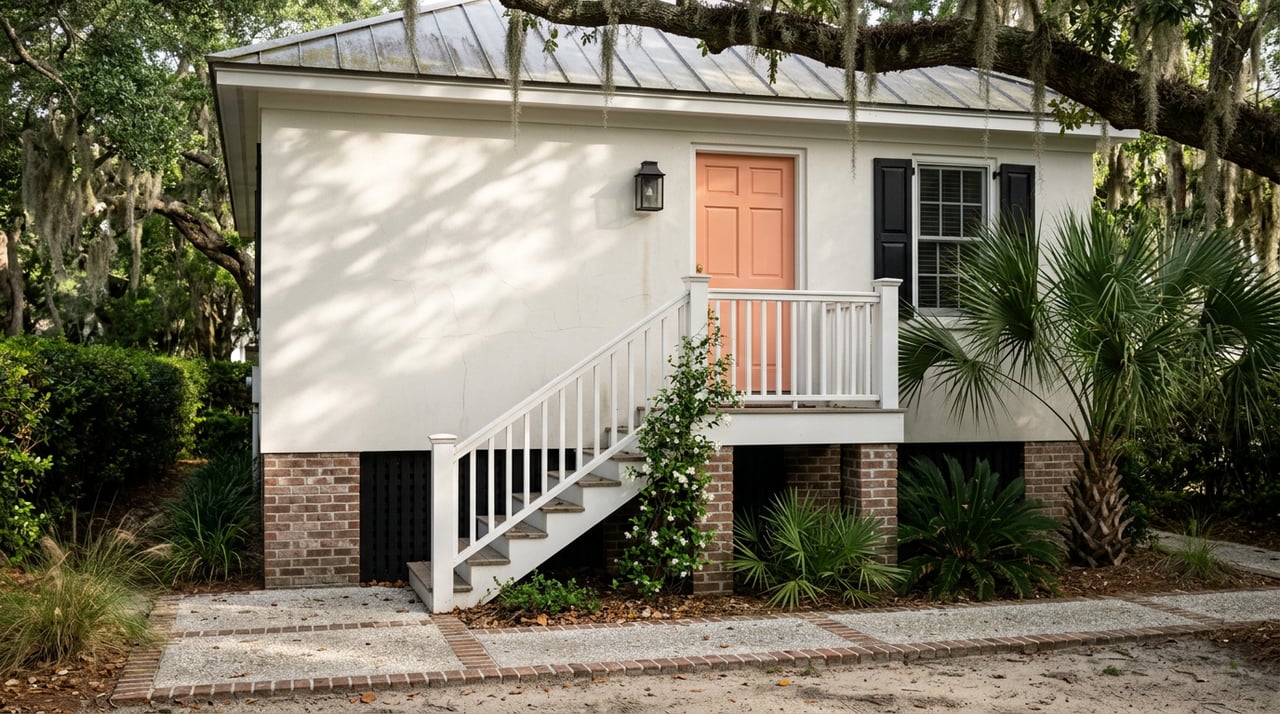
If the home will serve as a second home or short‑term rental first, focus on low‑maintenance choices. A lock‑and‑leave design with durable flooring, simple surfaces, and secure storage for beach gear saves time and money. Look for flexible guest space, multiple full baths, and two HVAC zones if you expect higher turnover. Build a simple storm plan with impact protection, elevated entries where possible, and clear access to shut‑offs.
Short‑term rental rules you must know
If you plan to rent for less than 30 days, the Town requires a Short‑Term Rental Permit and a business license before you advertise. Permit years run May 1 to April 30. The Town enforces deadlines, fines, and penalties for violations, so start early and follow the application steps on the Town STR page. SIPOA also requires owners who rent to register in its rental registry and manages guest vehicle passes per booking. Review rental registration and guest access details with SIPOA’s rental guidance.
Policy can change. The Town has studied additional limits, and an ad‑hoc committee discussed a cap on permits for certain single‑family areas. Always verify current policy and cap status at the Town’s short‑term rental announcements before you underwrite rental income. If you are buying a villa or condo, request regime documents early. Many regimes set their own rental, pet, and vehicle rules that sit on top of Town and SIPOA requirements.
Budget the real costs now
Ownership on Seabrook includes association and club costs. SIPOA’s 2024 budget shows the home and villa assessment at $3,050 for that year. Confirm current amounts and any special assessments, because fees update annually. You can see assessment details in SIPOA’s 2024 Budget Booklet. Regime fees for condos and villas vary by building and should be reviewed case by case.
Club membership is required for new owners. Expect an initiation or capital contribution and ongoing dues. The Club does not publish a one‑line fee list, so request the current schedule and transfer rules during negotiations. Read membership categories and amenity information on the Seabrook Island Club page.
Smooth operations when you are away
If you will rent or be remote, line up a local contact and a clear service plan. The Town’s STR materials expect a 24‑hour local contact and timely responses to any complaints or emergencies. Confirm who will handle cleaning, maintenance, and renter questions, and document that process in your listings. If you plan to advertise amenity access, verify renter pass policies and any extra fees with the Club in advance.
Plan for tomorrow: full‑time and retirement
Layout and systems to age in place
If you plan to transition to full‑time living, choose a layout that reduces future retrofit costs. A single‑level home or a first‑floor primary suite makes life easier. Look for wide doorways, curbless showers, and a simple entry path. Plan for systems that support year‑round use, like space for a whole‑house generator, dedicated HVAC zones, and reliable hot water capacity.
Utilities, services, and healthcare
Water and wastewater service is provided by the Seabrook Island Utility Commission. Before closing, confirm account setup, meter access, and ask for recent water quality reports from SIUC. SIPOA organizes trash and recycling schedules and manages contractor and collection rules. If you are buying into a regime, ask whether the building handles trash on its own schedule.
Healthcare access has improved with the nearby MUSC Health Kiawah & Seabrook pavilion, an outpatient and emergency care facility that opened close to the islands in December 2025. It offers urgent care, imaging, and some specialty visits without the full trip into Charleston. You can read the Town’s update in the Seabrooker newsletter here.
Flood, storms, and insurance basics
Seabrook is a barrier island with areas in FEMA Special Flood Hazard Areas. Before you buy, get the property’s current flood zone, any elevation certificate on file, and sample flood insurance quotes. The Town participates in the National Flood Insurance Program’s Community Rating System, which can provide a discount to eligible NFIP policies. See the Town’s Floodplain Management page for mapping links and CRS details.
Hurricane season runs June 1 through November 30, with peak activity from mid‑August through October. Budget for hurricane deductibles, elevated construction details, and post‑storm cleanup. Speak with an insurance broker who understands Charleston County’s coastal carriers. For season timing and basics, review the National Hurricane Center’s hurricane climatology.
Renovations and approvals
Any exterior changes, additions, or hardening work will move through SIPOA’s Architectural Review process and the Town’s permitting. Obtain SIPOA’s Policies and Procedures for Residential Development and the SIPOA Rules and Regulations early in planning. The rules also cover construction hours, contractor behavior, and property appearance standards.
Neighborhood types and seasonality
Where the lifestyles differ
- Oceanfront and ocean‑view villas. Smaller footprints close to the beach often see strong rental interest. Confirm regime rental rules, pet policies, and any limits on low‑speed vehicles or golf carts.
- Club and central areas. Homes and villas near the Club and Beach Club offer quick access to pools, dining, racquets, and the equestrian center. This can be ideal if you plan to use amenities often.
- Gatehouse edge and nearby services. Living closer to the gate shortens trips to the grocery, dining, and the marina area just outside Seabrook’s entrance, which many owners find convenient for daily errands.
How the island feels by season
Late spring through summer is the busy rental period. Expect a lively feel around the beach and Club amenities. Fall is still active but begins to slow. Winter is quieter and can be a great time for projects and planning. The community emphasizes coastal wildlife protection during sea turtle nesting and hatching seasons, with lighting and dune rules that are enforced. If you plan exterior lighting changes, confirm current seasonal guidance with Town and SIPOA materials before you proceed.
Buyer checklist: what to request early
- Association and regime documents. Ask for the latest SIPOA assessment invoice, any regime invoices, the seller’s SIPOA and Club standing statements, any pending special assessments, and the most recent regime meeting minutes. Use SIPOA’s Budget Booklet as a reference for baseline assessments.
- Rental eligibility file. Request proof of any past Town STR permits and confirm the property is registered in SIPOA’s rental registry. Start with the Town’s STR page and SIPOA rental guidance.
- Club transfer and dues. Ask for the Club’s current initiation, transfer, and dues schedule in writing, and confirm what transfers at closing. Read the basics on Club membership.
- Flood and insurance data. Obtain the FEMA map panel for the address, any elevation certificate on file, and sample flood quotes. Review the Town’s floodplain management guidance to understand zones and CRS.
- Utilities and service history. Confirm SIUC account setup steps, any transfer fees, and recent water quality reports at SIUC. Ask SIPOA about trash and contractor rules that apply to your property type.
- Accessibility potential. If you plan to age in place, have an architect confirm options like a first‑floor suite, elevator space, ramp locations, and wider halls before you close.
When you plan for both phases of life, Seabrook becomes even more rewarding. A little front‑end due diligence on rentals, fees, flood, and layout can save you time and surprises later. If you want a calm, concierge approach to weighing options and running the right checks, connect with our team for local guidance tailored to you. Ready to take the next step? Schedule a private consultation with Tricia Peterson.
FAQs
What makes buying on Seabrook Island unique compared to other Charleston beach areas?
- Seabrook is a private, gated community where services run through SIPOA, municipal functions run through the Town, and amenities are managed by the private Seabrook Island Club. New owners must purchase a Club membership. See About SIPOA and Club membership for structure and requirements.
How do short‑term rental permits work on Seabrook Island?
- The Town requires an annual STR permit and a business license for rentals under 30 days. You must have the permit before advertising and follow renewal timelines and rules. Start at the Town’s STR page.
What ownership costs should I expect beyond my mortgage on Seabrook Island?
- Budget for SIPOA assessments, regime fees if applicable, and Club initiation and dues. SIPOA’s 2024 booklet shows a $3,050 assessment for homes and villas, with amounts updated each year. Review the SIPOA Budget Booklet and confirm current Club fees on Club membership.
How far is Seabrook Island from downtown Charleston, and where do I handle daily errands?
- Travel times to the historic district are often about 35 to 45 minutes depending on traffic and route. Daily shopping, dining, and marina services are concentrated just outside Seabrook’s gate, which many owners use for quick errands.
What should I check about flood risk and insurance before I buy on Seabrook?
- Obtain the property’s flood zone, any elevation certificate, and sample NFIP quotes. The Town participates in FEMA’s Community Rating System, which can provide premium discounts for eligible policies. Start with the Town’s Floodplain Management page.
Can renters use Seabrook Island Club amenities when I rent my home?
- Renter access is controlled by the Club and SIPOA. Policies can include amenity cards and potential fees, and they may change over time. Confirm current renter pass rules with the Seabrook Island Club before you advertise amenity access.