Choosing between Old Village and newer Mount Pleasant often comes down to one simple question: what do you want daily life to feel like? If you are deciding between historic charm and newer planned convenience, it helps to look past home photos and focus on how each area works in real life. From walking patterns to recreation, errands, and the overall pace of the day, here is what sets Old Village apart from newer Mount Pleasant communities. Let’s dive in.
What Old Village and New Mount Pleasant Mean
In this comparison, Old Village refers to Mount Pleasant’s historic harbor-side district, a quiet waterfront community with about 430 residences across a 37-block area, according to the Town of Mount Pleasant.
For newer Mount Pleasant, think of larger master-planned communities and newer subdivisions such as Carolina Park and Park West. These areas are known for newer infrastructure, organized amenities, and neighborhood layouts built around recreation and convenience.
Old Village Feels Historic and Organic
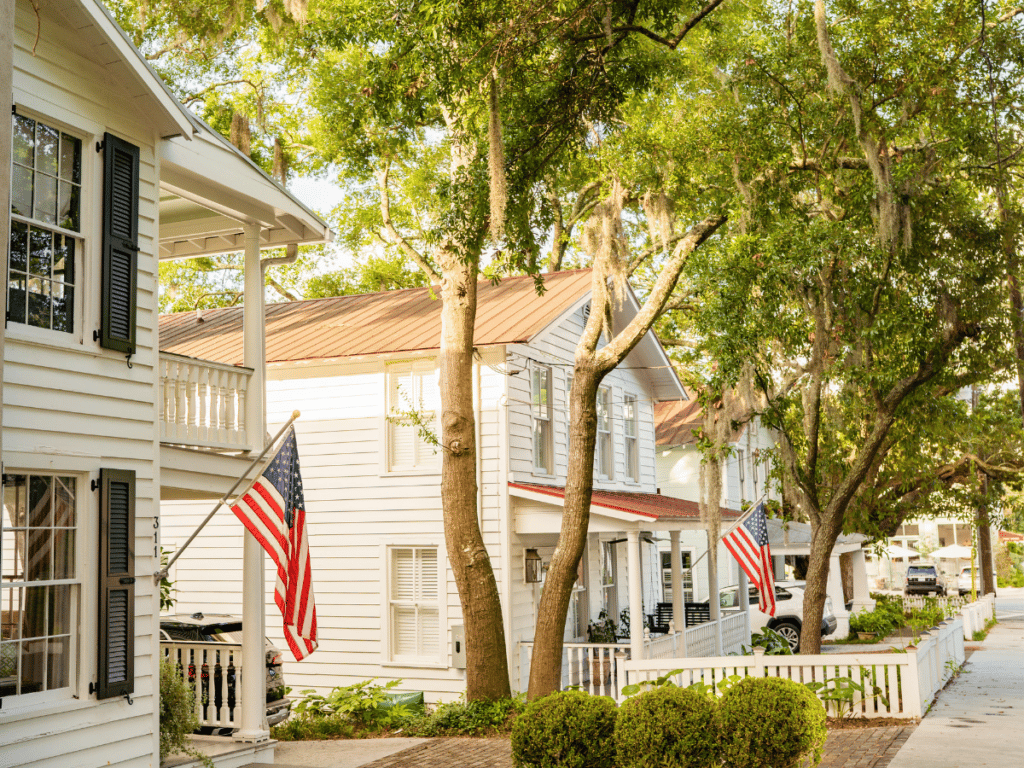
Old Village has a more settled, residential feel that comes from its historic layout and waterfront setting. The town describes it as a quiet neighborhood shaped by shade trees, lawns, harbor-facing bluffs, and long-standing streetscapes.
That atmosphere is also protected. According to the town’s Old Village Historic District guidelines, exterior changes are subject to design review, and new work is expected to fit the district’s existing character.
Homes Have More Individual Character
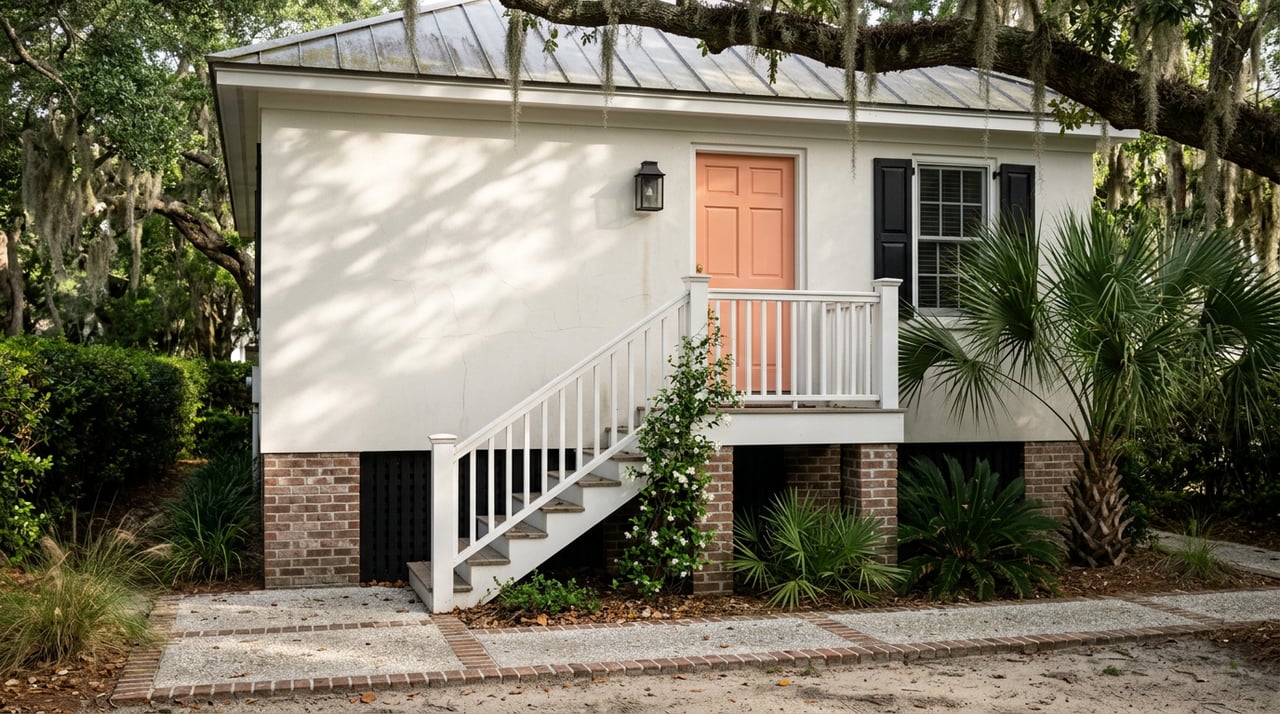
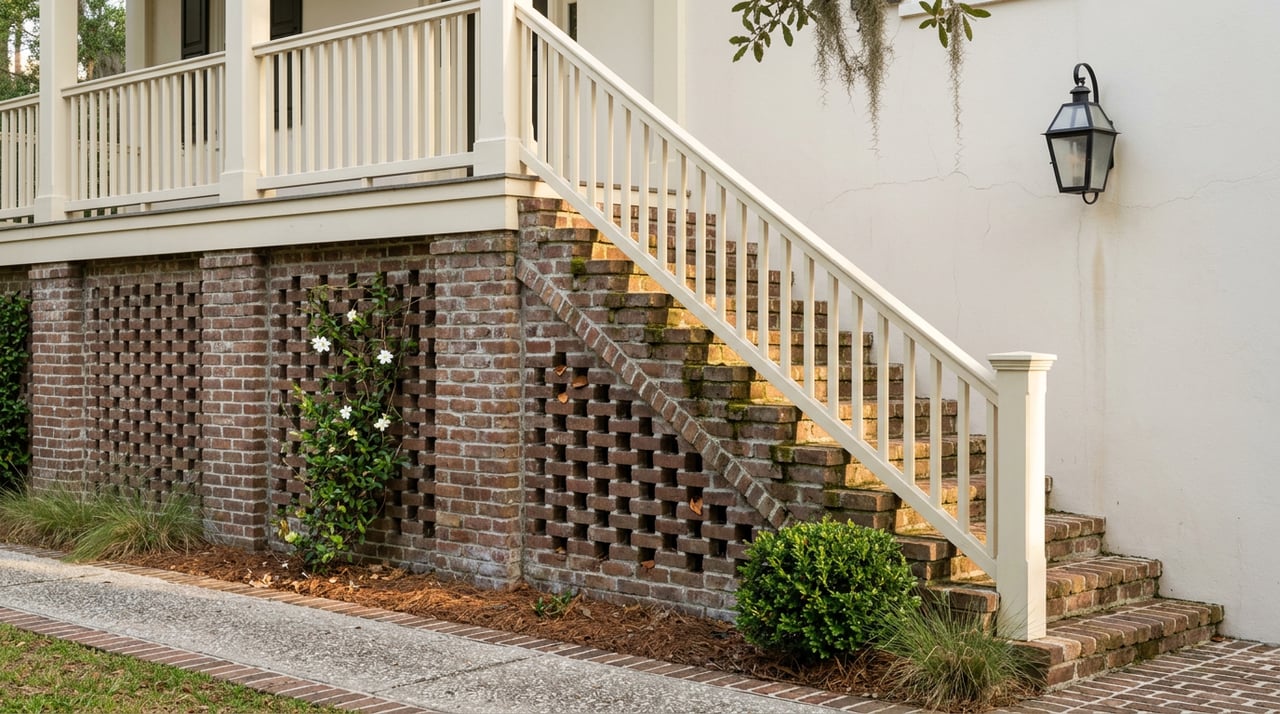
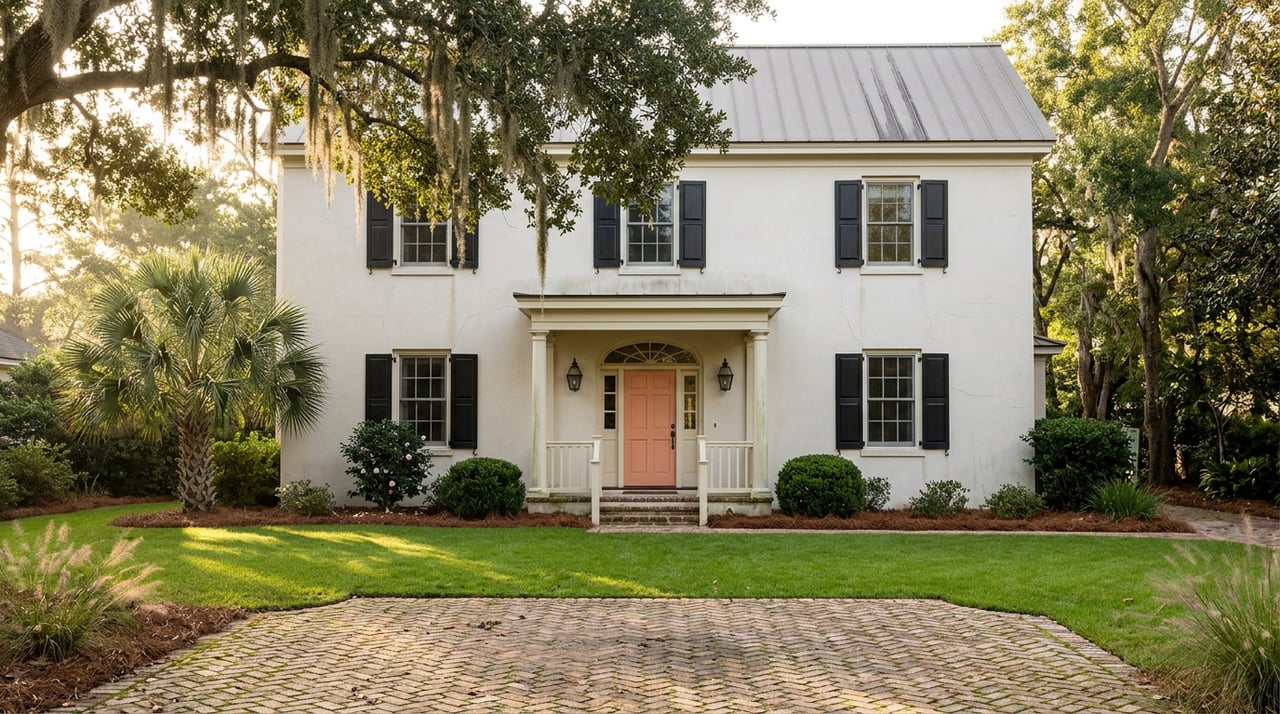
One of the biggest everyday differences is the housing itself. In Old Village, homes tend to feel more varied, more porch-forward, and less standardized than what you usually see in newer planned communities.
The town’s guidelines reference historic architectural features such as symmetrical facades, low-pitched roofs, tall sash windows, and porches that play an important social and visual role. If you are drawn to homes with distinct personality and a layered streetscape, Old Village often delivers that in a way newer neighborhoods usually do not.
Walking Is Part of the Lifestyle
Old Village supports a slower, more scenic kind of daily routine. The town features a historical-marker wellness walk through the district, and Pitt Street Bridge remains a popular pedestrian-oriented landmark.
Public gathering spaces also shape everyday use. Alhambra Hall and its grounds reopened in 2025 with a renovated hall, sidewalks, a patio, and an inclusive playground, adding to the neighborhood’s walkable, community-centered feel.
Shops and Dining Stay Small Scale
Another key difference is how errands and outings feel. Old Village leans more local and compact, especially around Pitt Street.
The Old Village District highlights businesses such as Pitt Street Pharmacy, Rudi's Old Village Wine Shop, Studio Shoppe Charleston, and Old Village Gym. Instead of a large retail hub, you get more of a village-style cluster of neighborhood-serving shops and services.
Waterfront Spaces Shape Daily Rhythm
Old Village is closely tied to the harbor and nearby public waterfront spaces. The town points to Shem Creek as part of Mount Pleasant’s working waterfront identity, and that connection shows up in the area’s overall atmosphere.
In practical terms, everyday life here often centers on waterfront walks, scenic views, and public gathering places rather than amenity campuses. For many buyers, that is a major part of the appeal.
Newer Mount Pleasant Feels Planned and Amenity-Rich
Newer Mount Pleasant communities usually offer a different kind of convenience. Rather than historic streets and small business clusters, they tend to center daily life around neighborhood amenities, newer roads, and planned common spaces.
This is especially clear in communities like Carolina Park and Park West. Their design puts recreation, organized spaces, and residential convenience at the center of daily living.
Amenities Are Built Into the Neighborhood
If you want recreation close to home, newer communities often stand out. Carolina Park describes itself as a 1,700-acre master-planned community that brings together recreation, shopping, and residential living in a park-like setting.
Its Riverside section highlights features such as a walking trail, kayak access on Bolden Lake, and the Lake Club pool and pavilion. In Park West, the community site lists two pools, a covered playground, walking and bike trails, a crab and fishing dock, tennis courts, and a clubhouse.
Recreation Feels More Programmed
Newer Mount Pleasant often feels more structured in how recreation is delivered. In addition to neighborhood amenities, the town’s Park West Recreation Complex includes ballfields, a pool, basketball, volleyball, a walking track, and a walking trail.
That setup can be a strong fit if you want shared facilities and organized recreation woven into the neighborhood itself. It creates a different daily rhythm than Old Village, where recreation is more tied to public spaces and the waterfront.
Shopping Is Broader but More Spread Out
Errands in newer Mount Pleasant typically feel more suburban. You may have more retail choices nearby, but they are usually spread across larger commercial areas rather than clustered within a small historic district.
For example, the Mount Pleasant Towne Centre directory shows a wide mix of retail and dining options, including national stores and restaurants. Carolina Park also notes proximity to retail and future town-center shopping and dining, reinforcing that convenience is part of the newer-community model.
Sidewalks and Trails Support Movement
Walkability looks a little different in newer communities. Instead of historic blocks and waterfront strolls, these neighborhoods tend to offer internal sidewalks, trails, and broader transportation connections.
The town’s Mount Pleasant Way project reflects that larger multi-modal pattern, with sections already in Park West and other areas. So while you may still drive for many regional errands, the internal neighborhood layout is often designed to support walking, biking, and recreational movement.
The Biggest Daily Differences
When buyers compare Old Village and newer Mount Pleasant, the choice usually comes down to character versus built-in convenience. Both can offer a strong lifestyle, but they do so in very different ways.
Here is a simple side-by-side view:
| Everyday Factor | Old Village | Newer Mount Pleasant |
|---|---|---|
| Overall feel | Historic, organic, smaller-scale | Planned, newer, more standardized |
| Home style | Varied, porch-forward, individual | More consistent neighborhood design |
| Recreation | Waterfront walks and public gathering spaces | Pools, trails, courts, clubhouses, and organized amenities |
| Shopping and errands | Local businesses and small-scale services | Larger retail areas and distributed shopping |
| Walkability style | Scenic strolling and local browsing | Internal trails, sidewalks, and recreation routes |
| Neighborhood rhythm | Quiet, residential, harbor-oriented | Activity-centered and amenity-driven |
Which Lifestyle May Fit You Best
If you picture daily life filled with historic streets, local shops, porches, and waterfront landmarks, Old Village may feel more aligned with what you want. Its appeal is rooted in a strong sense of place and a neighborhood character that has been carefully preserved over time.
If you prefer newer homes, shared amenities, and a neighborhood layout designed around recreation and convenience, newer Mount Pleasant communities may be a better fit. Carolina Park and Park West show how much day-to-day value some buyers place on trails, pools, clubhouses, and easy access to broader retail options.
Neither option is automatically better. The right choice depends on whether you want your daily routine to feel more historic and organic or more planned and amenity-focused.
As you compare neighborhoods in Mount Pleasant, it helps to look beyond listings and think about how you want to spend an average Tuesday afternoon, a Saturday morning, or an evening walk close to home. If you want help narrowing down the right fit for your lifestyle, Tricia Peterson can guide you through the nuances of Mount Pleasant with a local, high-touch approach.
FAQs
What is the main difference between Old Village and newer Mount Pleasant?
- Old Village is a historic harbor-side district with a quieter, more organic feel, while newer Mount Pleasant communities are typically planned around amenities, newer infrastructure, and organized recreation.
Which area is more walkable in Mount Pleasant?
- Old Village is generally better for scenic walking and local browsing, while newer communities often offer internal sidewalks and trails that support neighborhood walking and biking.
Which Mount Pleasant area has more neighborhood amenities?
- Newer Mount Pleasant communities such as Park West and Carolina Park generally offer more built-in amenities like pools, trails, clubhouses, and sports facilities.
Do Old Village homes have historic design rules?
- Yes. According to the Town of Mount Pleasant, exterior changes in the Old Village Historic District are subject to design review and are expected to fit the district’s established character.
Where do errands and shopping feel easier in Mount Pleasant?
- Newer Mount Pleasant usually offers access to broader retail and dining areas, while Old Village has a smaller-scale, local business environment centered around places like Pitt Street.
Is Old Village or newer Mount Pleasant better for waterfront atmosphere?
- Old Village is more closely tied to waterfront landmarks and harbor-oriented public spaces, which often gives it a stronger day-to-day waterfront feel.