Are you dreaming about a downtown Charleston home you can enjoy without feeling tied to a long maintenance list? If you split time between homes, travel often, or simply want an easier day-to-day setup, lock-and-leave living can be a smart fit. In downtown Charleston, the appeal comes from more than convenience alone. It comes from choosing the right property type, understanding local rules, and doing careful due diligence before you buy. Let’s dive in.
What lock-and-leave means downtown
In downtown Charleston, lock-and-leave living usually means a home that is easy to secure and easier to manage when you are away. That often includes less routine exterior upkeep, fewer open-ended chores, and a location that lets you enjoy the peninsula without depending heavily on a car.
That said, low-maintenance does not mean rule-free. In the city’s historic areas, exterior changes visible from the public right-of-way may be subject to review through the Board of Architectural Review, often called BAR. So while the lifestyle can feel simple, ownership still comes with some downtown-specific considerations.
Why downtown Charleston works well
Downtown Charleston offers a combination that is hard to find in many historic cities. You have a walkable core, established parking systems, and a range of ownership structures that can shift some upkeep away from you.
For many part-time residents, that mix is the real draw. You can return to town, lock the door behind you when you leave, and enjoy a home base that supports a more predictable routine.
Walkability helps simplify daily life
One reason this lifestyle works so well downtown is access. CARTA’s free DASH service runs three downtown routes connecting areas such as the Aquarium, the Citadel, Broad Street, Waterfront Park, Historic King Street, the City Market, the Charleston Museum, Upper King, and the College of Charleston area.
That makes it easier to live with a lighter car routine once you are in town. If your goal is to park once and enjoy dining, culture, errands, and everyday outings on foot or by shuttle, downtown Charleston supports that well.
Best property types for lock-and-leave living
Not every downtown property fits the model equally well. The best option for you depends on how much maintenance you want to offload and how comfortable you are with shared rules, dues, and approval processes.
Condos are often the easiest fit
For many buyers, condos are the clearest match for lock-and-leave living. Under South Carolina’s Horizontal Property Act, condo ownership centers on common elements, recorded bylaws, and shared administration.
In practical terms, that usually means the governing documents define how the property is administered and how owners share common expenses for maintenance and repair. If your goal is fewer hands-on responsibilities, a condo often offers the most structured framework.
Another reason condos appeal to part-time owners is predictability. Common expenses are shared, and the law provides a process for associations or boards to collect unpaid assessments, which supports the operation and upkeep of the community.
Townhomes can work, but details matter
Townhomes can also be a strong option, especially if you want a little more privacy or a layout that feels closer to a single-family home. The key is not to assume the association handles more than it actually does.
Before buying, you will want to confirm exactly who is responsible for the roof, exterior walls, landscaping, and any shared spaces. In South Carolina, HOA governance is document-driven and statute-driven, and the state does not have one comprehensive law that spells out how every HOA must operate.
That is why the governing documents matter so much. A townhome may feel low-maintenance on the surface, but the real answer is in the details of the association’s responsibilities.
Small detached homes offer charm with more responsibility
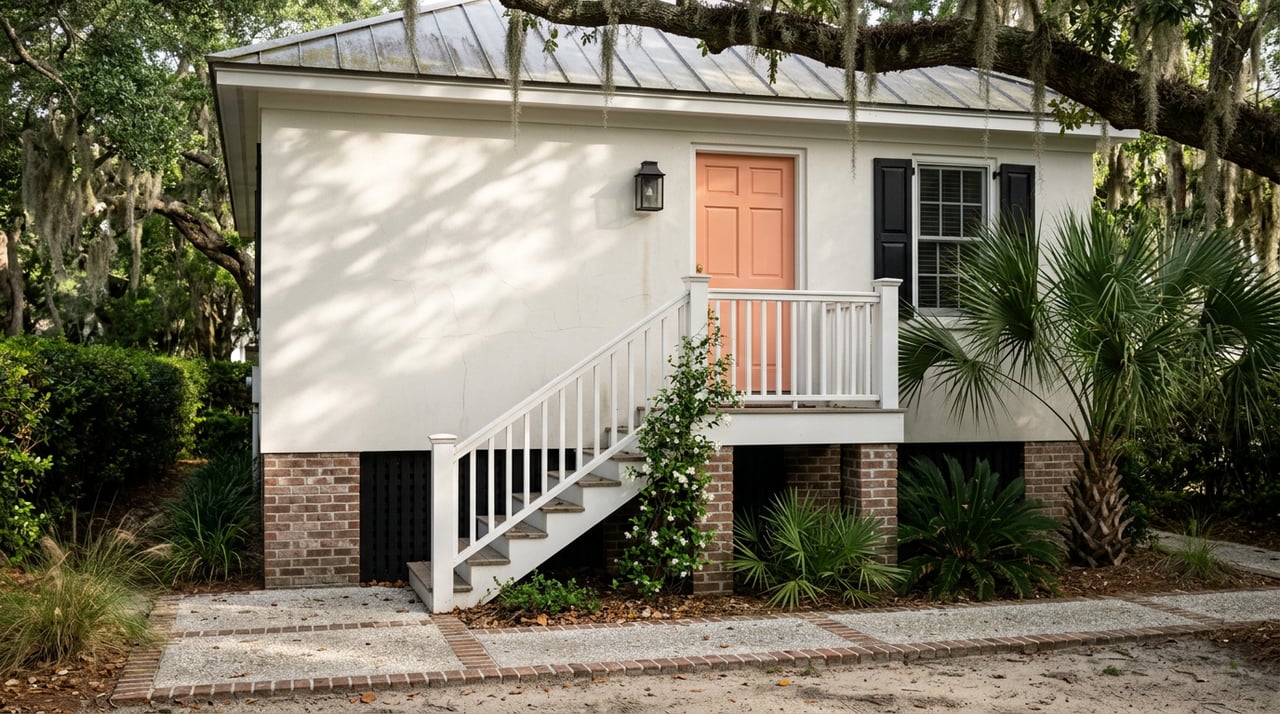
A compact detached home can still support a lock-and-leave lifestyle, especially if the lot is small and the exterior upkeep is limited. For some buyers, this option offers the right balance of privacy, character, and manageable scale.
Still, it is usually less hands-off than a condo. In downtown Charleston, that tradeoff is especially important because exterior work visible from the public right-of-way may trigger BAR review within historic districts.
Downtown Charleston issues buyers should check closely
A beautiful home and a great location are only part of the picture. If you want lock-and-leave living to feel easy in real life, there are a few downtown Charleston issues you should review carefully before closing.
Parking can shape daily convenience
Parking is one of the most important practical questions you can ask. The City of Charleston says its residential parking permit districts were created to protect residents’ access to their homes, and these districts cover much of downtown. The city also issues more than 8,000 permits each year.
If you are considering a downtown property, ask whether parking is deeded, assigned, permit-based, or dependent on nearby garages or lots. Downtown residents in the Peninsula Parking Districts can obtain a residential parking decal, while on-street meters operate Monday through Saturday from 9:00 a.m. to 6:00 p.m. City garages and lots remain open to daily, transient, and visitor parkers.
For a part-time owner, the easier your parking plan is before move-in, the smoother your lifestyle will feel after closing. This is one detail that can have an outsized impact on daily convenience.
Flood due diligence is essential
In Charleston, flood risk is not a side issue. The city states that all properties in the City of Charleston are in a flood zone, although not all are in FEMA’s Special Flood Hazard Area.
That means you should treat flood diligence as a standard part of buying downtown. Before closing, review the property’s flood-zone status, elevation considerations, and insurance implications. The city also provides flood-hazard letters, flood maps, and related mapping tools, which makes early review especially important.
For lock-and-leave buyers, this matters even more. If you are away from the property for stretches of time, you want a clear understanding of your exposure and your insurance obligations from the start.
Historic district rules still affect ownership
Downtown Charleston’s historic character is part of what makes it so appealing. At the same time, ownership in historic areas can come with review requirements for exterior work.
The Board of Architectural Review reviews new construction, alterations, and renovations visible from the public right-of-way within historic districts, along with many demolitions. The city also notes that many minor items, such as painting, sitework, signage, and repairs, are typically reviewed by staff rather than the full board.
This does not mean you should avoid historic properties. It simply means you should go in with a clear understanding of what may require approval later, especially if you plan to make exterior updates.
What makes a property truly low-maintenance
A lock-and-leave property is not defined by marketing language alone. The most successful fit usually comes down to a few practical details that reduce surprises.
Look for homes with:
- Clear association responsibilities
- Straightforward monthly dues and documented coverage
- Assigned, deeded, or permit-based parking that fits your routine
- A manageable approach to exterior upkeep
- Known flood-zone and insurance details before closing
- A clear understanding of whether future exterior updates may require BAR review
When these pieces are in place, downtown living feels easier and more predictable. When they are unclear, even a beautiful home can feel more demanding than expected.
Questions to ask before you buy
If you are comparing downtown Charleston properties, a short list of smart questions can save you time and stress.
Ask about ownership and upkeep
Start with the day-to-day basics. You will want to know what the monthly dues cover, how maintenance responsibilities are divided, and whether there are common elements or shared expenses that affect your ownership experience.
For condos and townhomes in particular, these questions help you understand how much of the property is truly hands-off. This is where lock-and-leave living either becomes real or stays just a nice idea.
Ask about parking and access
You should also ask whether the property includes deeded parking, assigned parking, or access through a residential permit. If guests visit often, ask what visitor parking options are available nearby.
A downtown home can feel much more convenient when this is settled from the beginning. Parking is not just a side note on the peninsula. It is part of how the home functions for you.
Ask about flood and exterior approvals
Finally, ask whether the home sits within a flood hazard area that affects insurance decisions, and whether exterior updates may require BAR approval. These are especially important questions for buyers who expect a property to be turnkey.
The goal is not to overcomplicate the process. The goal is to avoid surprises and choose a home that supports the lifestyle you want.
Why upfront due diligence matters most
The easiest downtown Charleston homes are usually not the ones with the flashiest description. They are the ones where the ownership structure is clear, the parking plan is practical, and the flood and historic-review questions are already understood.
That is why lock-and-leave living here is really about preparation. When you do the due diligence up front, you give yourself the best chance of enjoying downtown Charleston the way you imagined it: with more freedom, less friction, and more confidence when you come and go.
If you are exploring a second home, an in-town residence, or a low-maintenance downtown purchase, working with a local advisor can help you weigh the tradeoffs between property type, parking, flood considerations, and historic district rules. For tailored guidance on downtown Charleston homes and a polished, high-touch buying experience, connect with Tricia Peterson - Island House Real Estate.
FAQs
What does lock-and-leave living mean in downtown Charleston?
- It usually means a home that is easy to secure, has lower day-to-day maintenance demands, and may shift some upkeep through a condo or HOA structure, while still being subject to downtown rules like historic review for some exterior changes.
Which downtown Charleston property type is best for lock-and-leave buyers?
- Condos are often the clearest fit because they typically include shared administration and common-element maintenance, while townhomes and small detached homes can also work depending on who handles exterior upkeep.
What should buyers ask about parking in downtown Charleston?
- You should ask whether the property includes deeded parking, assigned parking, or access through a residential permit, and whether guest or nearby garage parking is available.
Why is flood due diligence important for downtown Charleston homes?
- The City of Charleston says all properties in the city are in a flood zone, so buyers should review flood-zone status, elevation considerations, and insurance implications before closing.
Do historic district rules affect downtown Charleston lock-and-leave homes?
- Yes. In historic districts, exterior changes visible from the public right-of-way may require review by the Board of Architectural Review or city staff, depending on the scope of the work.
What should buyers review in a downtown Charleston condo or HOA community?
- You should review what the dues cover, how maintenance responsibilities are divided, how the association is administered, and any rules that affect exterior upkeep, common areas, or ownership costs.