If you are getting ready to sell on Daniel Island, it is easy to wonder whether a renovation will raise your price or just add stress. In a community known for polished presentation, waterfront charm, trails, parks, and strong curb appeal, buyers often notice condition right away. The good news is that you do not need to take on a massive remodel to make a meaningful impact. With the right broker-led plan, you can focus on updates that help your home feel finished, well cared for, and easier to buy. Let’s dive in.
Why broker-led renovations matter on Daniel Island
Daniel Island already offers a compelling setting. The City of Charleston describes it as a 4,000-acre island community between the Cooper and Wando rivers, with a pedestrian-friendly layout, parks, trails, and waterfront spaces. That means your home is not selling in isolation. It is being compared within a market where lifestyle, presentation, and ease all matter.
In that environment, pre-listing work tends to pay off most when it reduces friction for buyers. Instead of chasing dramatic before-and-after projects, the smarter goal is often to make the home look complete, lower-maintenance, and move-in ready. That matters even more now, since the 2025 Remodeling Impact Report found that 46% of buyers are less willing to compromise on home condition.
A broker-led approach helps you avoid over-improving. Rather than guessing which updates might matter, you can plan around buyer expectations, likely return, approval timelines, and the ideal list date. That keeps the project grounded in resale strategy, not emotion.
Which updates tend to deliver the best return
When sellers think about renovation, they often jump to kitchens and bathrooms first. But the Charleston area cost-versus-value data points in a different direction. Exterior projects and targeted improvements often outperform large discretionary remodels when the goal is resale.
In Charleston’s 2024 Cost vs. Value report, garage door replacement recouped 180.6% of cost, steel front door replacement recouped 164%, manufactured stone veneer recouped 128.8%, and fiber-cement siding replacement recouped 111.5%. By comparison, a major kitchen remodel recouped 40%, an upscale kitchen remodel recouped 29.6%, and an upscale bath remodel recouped 37.2%.
That spread matters on Daniel Island. In a presentation-sensitive setting, buyers are often responding first to visible maintenance, curb appeal, and the sense that the home has been well managed. A strategic seller usually gets more value from selective updates than from a full top-to-bottom remodel.
Best pre-listing projects to consider
Based on the research, the updates below are often the most defensible before listing:
- Interior paint throughout the home
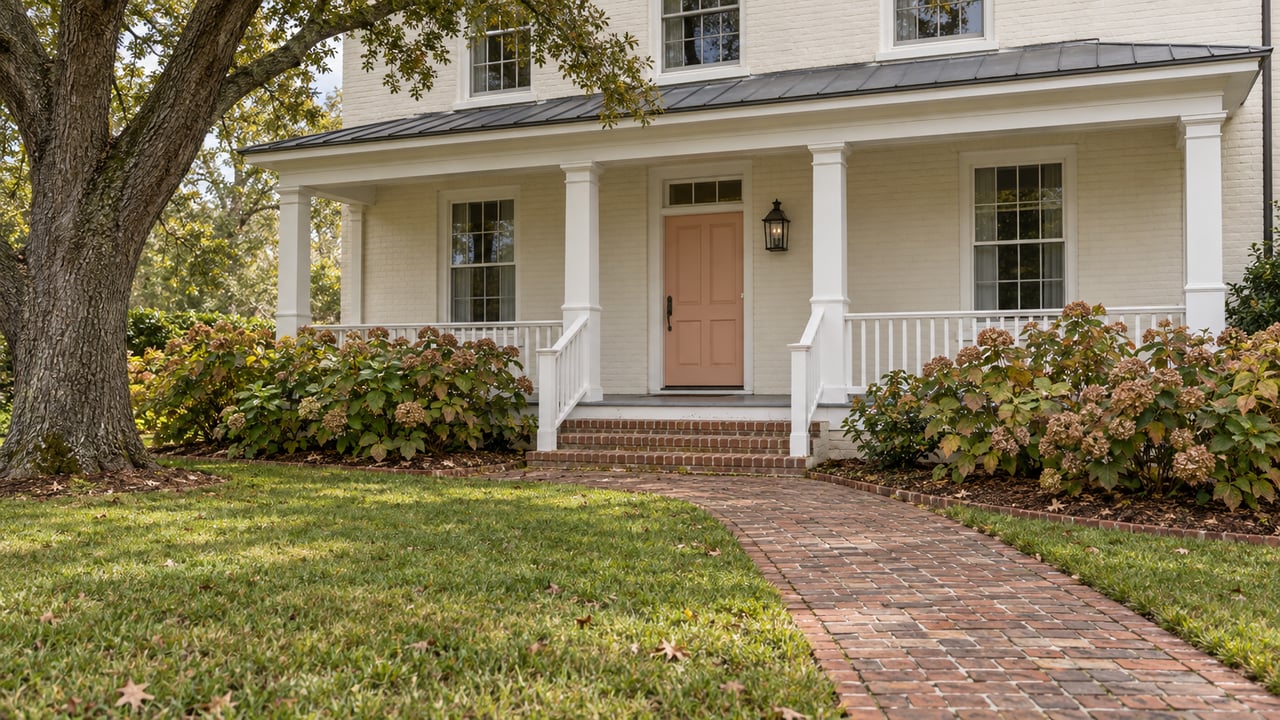
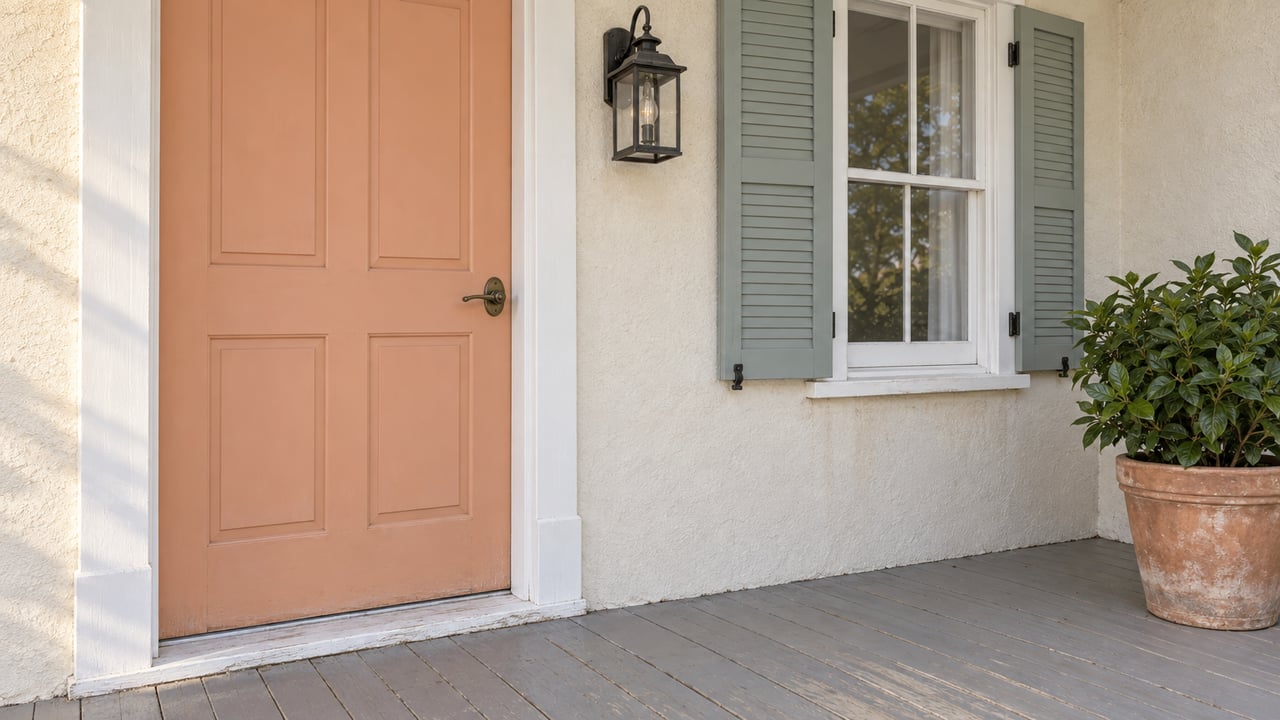
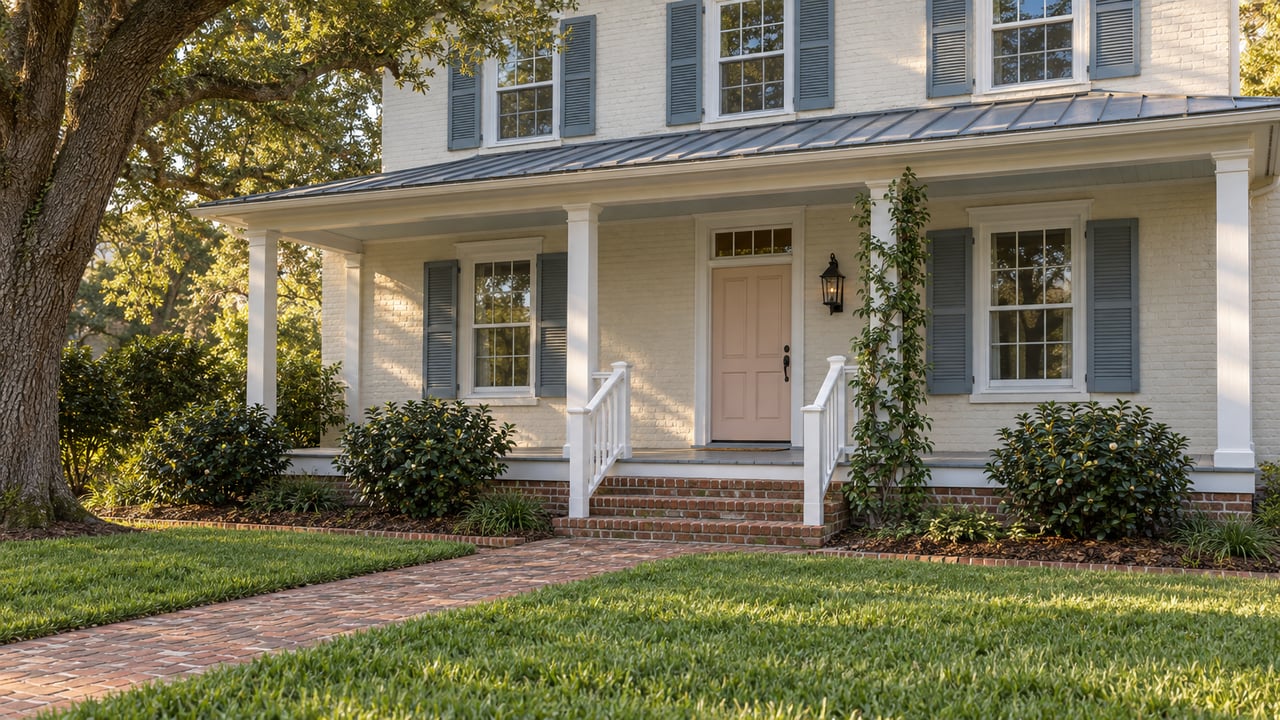
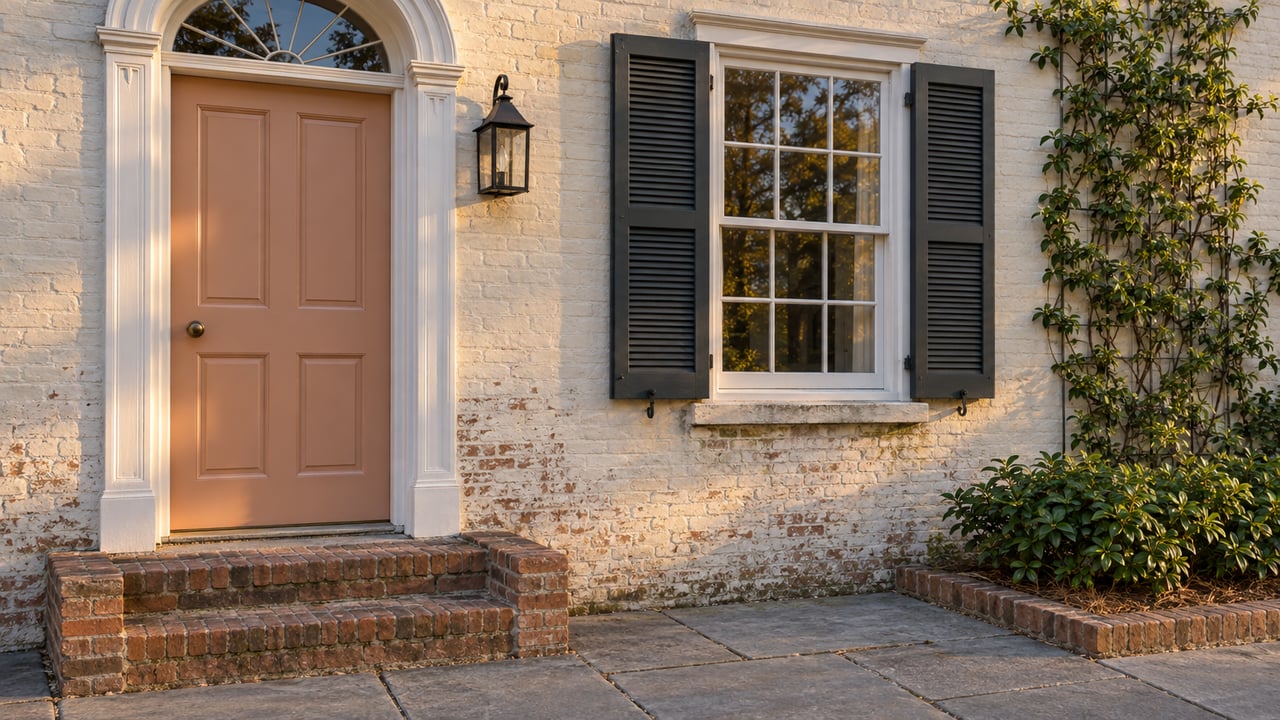
- Front door replacement or front entry refresh
- Roof replacement if the roof is nearing the end of its life
- Siding repair or replacement where needed
- Minor kitchen refreshes rather than full kitchen overhauls
- Modest bathroom improvements instead of luxury gut renovations
- Exterior cleanup that improves first impressions
These projects tend to support what buyers want most: a home that feels cared for, functional, and easy to move into.
Projects that may not make sense
Some projects can cost a great deal without producing a strong resale return. In Charleston, large upscale kitchen and bath remodels sit on the lower end of the recoup spectrum. That does not mean they are never worthwhile, but it does mean they should be approached carefully when your main goal is maximizing a near-term sale.
If a project is highly custom, expensive, or likely to stretch the timeline, it may not be the best pre-listing move. The same is true if the work could trigger multiple approvals or complex reviews that delay your launch.
Why exterior-first strategy often wins
National remodeling data also supports an exterior-first mindset. The 2025 Cost vs. Value report found that 8 of the top 10 projects were exterior replacements, and garage doors, steel entry doors, and manufactured stone veneer led the national list. JLC’s 2025 trend coverage also noted that more complex projects tend to deliver lower sale-time ROI, while buyers increasingly favor homes in solid condition with well-appointed exteriors.
For Daniel Island sellers, that aligns well with what the market already rewards. A clean exterior, a strong front entry, and a roof in good condition can help remove buyer objections before they form. Those updates also reinforce the sense that the property has been consistently maintained.
Exterior doors are one clear example. In Charleston, steel front doors and grand entrance upgrades performed better than vinyl or wood window replacement. So if you are choosing between projects, the front entry may offer a stronger resale case than replacing every window.
How Daniel Island approvals affect your timeline
One of the biggest reasons to use a broker-led renovation plan on Daniel Island is coordination. Exterior improvements are not just a matter of hiring a contractor and getting started. Many projects require review before work begins.
Daniel Island’s Architectural Review Board reviews a wide range of exterior changes, including paint or material changes, roofing, windows and doors, decks, fences, landscape changes, tree removals, docks, bulkheads, and grading or drainage changes. The ARB states that review can take up to 15 business days once all requested information is received.
That timing matters when you are preparing for market. A simple idea on paper can become a scheduling problem if approvals, bids, materials, and contractor availability are not lined up early.
Permits may also come into play
The City of Charleston Permit Center advises homeowners to confirm whether the property is within city limits before submitting work. The city offers online permit submittals for residential alterations and additions, as well as roofing and other project types. It also notes that some categories may qualify for express review, including paint, in-kind window replacement, minor wood rot repair and siding replacement, roof work, interior non-structural demolition, and certain decks.
On a coastal island, there can be added layers of review as well. The Permit Center notes that flood zone and substantial-improvement issues are flagged through Building Inspections, which is especially important for outdoor work, grading, drainage, and hardscape changes.
What a smart broker-led renovation process looks like
The best renovation plans usually start backward from your target list date. That way, your decisions support the sale instead of disrupting it.
A practical sequence often looks like this:
- Assess the home’s visible strengths and weak points
- Define a focused scope based on likely buyer objections
- Check whether ARB review or city permits may be required
- Gather bids and confirm material lead times
- Complete the work
- Handle any required inspections or final approvals
- Finish the punch list
- Move into staging, photography, and videography
- Launch the home to market with polished presentation
This process works best when there is one clear strategy tying it all together. That is where broker coordination can add real value. It helps keep renovation choices aligned with pricing, timing, and marketing.
When to renovate and when to sell as-is
Not every home should be renovated before listing. In many cases, the right answer is a selective refresh. In others, it may make more sense to sell as-is and let the next owner take on bigger changes.
Renovation tends to make the most sense when the work is cosmetic, curb-appeal focused, and likely to be completed quickly. If a project will remove obvious buyer concerns without opening a much larger construction process, it may be worth doing.
Selling as-is may be the better path when the work involves a major kitchen remodel, a large bath overhaul, or an addition-level budget with lower local recoup. It can also make sense when approvals, flood review, drainage concerns, or long construction windows would delay the listing and create uncertainty.
A simple question to guide your decision
A helpful way to frame it is this: What visible issues are most likely to keep buyers from seeing the home’s strengths? If you solve those issues first, you are often making the smartest use of time and money.
On Daniel Island, the safest pre-listing projects are usually the ones that improve first impressions without turning into major custom construction. Think clean exterior presentation, a strong front entry, a roof in solid condition, and selective interior refreshes.
Why presentation still matters after the work is done
Even the right updates can fall flat if the listing presentation is not equally strong. Once the work is complete, your marketing should show buyers how the home lives and why it stands out in the Daniel Island market.
That is where staging, professional photography, and videography help carry the investment forward. Renovation should not be treated as a separate project from the sale. It should support the final story your home tells when it hits the market.
If you are considering updates before listing, the goal is not to do more. The goal is to do the right things, in the right order, with a clear plan for timing, approvals, and presentation. For Daniel Island sellers, that often leads to a smoother process and a stronger market debut.
When you want a calm, polished strategy for pre-listing preparation, Tricia Peterson - Island House Real Estate offers concierge-style guidance, project management support, and elevated marketing tailored to the Daniel Island market.
FAQs
What are the best pre-listing renovations for a Daniel Island home sale?
- The strongest options are usually selective updates that improve condition and curb appeal, such as interior paint, a front entry refresh, siding or roof work where needed, and modest kitchen or bath improvements.
Do Daniel Island exterior renovations require ARB approval?
- Many exterior changes do. The Daniel Island Architectural Review Board reviews items like exterior paint or material changes, roofing, windows and doors, decks, fences, landscaping changes, and drainage-related work.
Should you remodel the kitchen before selling a Daniel Island home?
- Usually, a minor kitchen refresh makes more financial sense than a major upscale remodel, since Charleston-area data shows much lower recoup rates for large kitchen overhauls.
Can a roof replacement help a Daniel Island home sell?
- Yes, if the roof is nearing the end of its life. Roofing is one of the more commonly recommended seller projects in the research, and it can help reduce buyer concerns about condition.
When should you sell a Daniel Island home as-is instead of renovating?
- Selling as-is may be the better choice when the work would involve large, expensive remodels, complicated approvals, flood or drainage review, or a long timeline that delays your listing.
How does a broker-led renovation help with a Daniel Island listing?
- A broker-led renovation can help you prioritize the right updates, coordinate timing around approvals and permits, manage vendors, and connect the improvement plan to staging, photography, and the final go-to-market strategy.