If you are torn between a polished newer community and a neighborhood with deeper roots, you are not alone. In Mount Pleasant, that choice often shapes your daily routine, your maintenance to-do list, and the overall feel of home. The good news is that there is no one-size-fits-all answer, and understanding the tradeoffs can make your decision much clearer. Let’s dive in.
How Mount Pleasant Grew
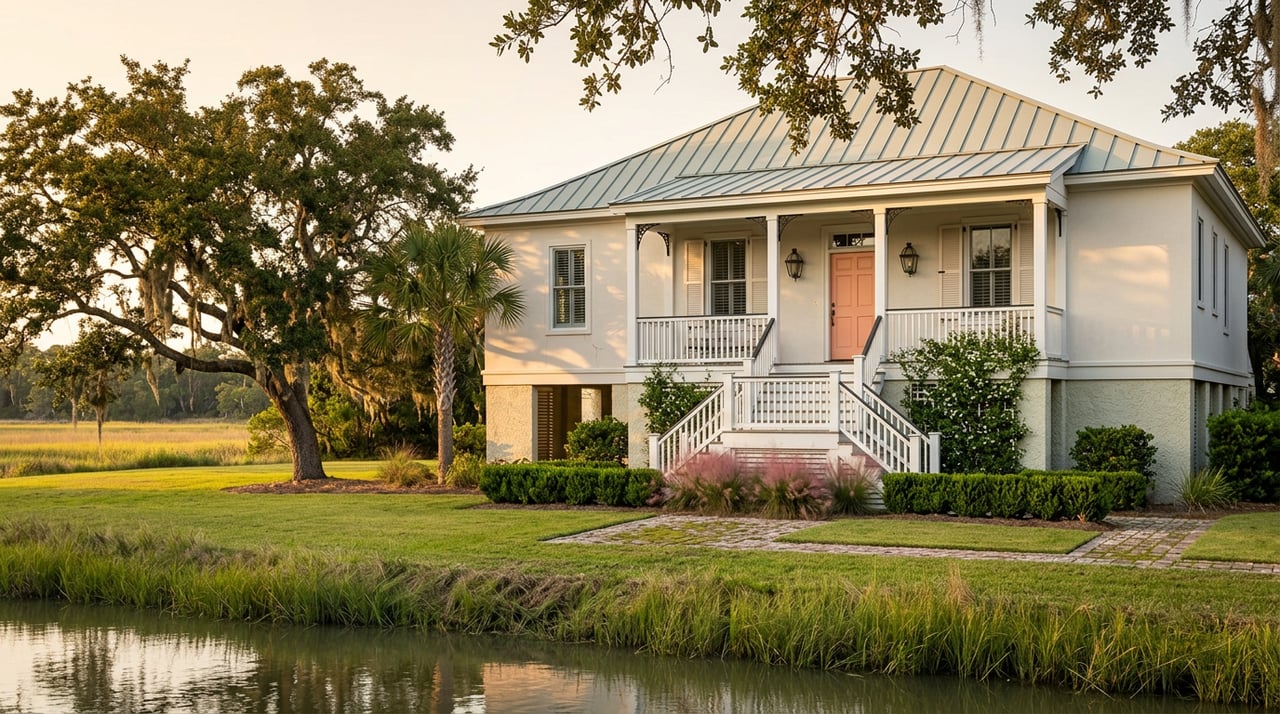
Mount Pleasant is best understood as a spectrum, not a simple split between new and old. The town’s historic center grew around Shem Creek and the Old Village, while the north end expanded after Interstate 526 and later annexations brought in larger live-work-play communities and major shopping areas.
That history still shows up in the neighborhoods you tour today. Some places feel layered and organic, with streetscapes and architecture that evolved over time. Others feel more planned, with roads, amenities, lot layouts, and exterior standards designed together from the start.
What “New” Usually Means
In Mount Pleasant, newer neighborhoods often mean master-planned or highly organized communities. These areas were designed with a clear vision for how homes, open space, amenities, and access points would work together.
You will often see features like shared trails, recreational spaces, structured entrances, and community design guidelines. For many buyers, that creates a convenient and polished experience. For others, it can feel more regulated than they want.
Carolina Park
Carolina Park is a strong example of a newer master-planned community. It spans about 1,700 acres and was designed to integrate recreation, shopping, education, and residential living within one broader setting.
It is also important to know that parts of Carolina Park, especially in Riverside, are still finishing out. That means some sections may feel newer and less settled than neighborhoods that have been fully built for years.
Dunes West
Dunes West shows the more managed side of the newer Mount Pleasant market. This mixed-development community covers more than 2,500 acres and includes miles of walking and bike trails, two docks on the Wando River, a playground, and a covered pavilion.
The property owners association also requires residents to follow standards and covenants, and it controls gate access. If you appreciate structure, shared amenities, and a curated look, that may feel like a benefit. If you prefer more flexibility, it is worth paying close attention to those rules before you buy.
Park West and Rivertowne
Park West is part of the north-end growth story that took shape after I-526. It reflects the large-scale live-work-play model that became a major part of Mount Pleasant’s expansion, and the town continues to improve infrastructure there, including work on Park West Boulevard with bike lanes and a wider shared-use path.
Park West also has architectural control guidelines, regular exterior and yard inspections, and covenant enforcement. That helps maintain a consistent appearance, but it also means you should expect more formal oversight.
Rivertowne sits in an interesting middle ground. Town planning records describe it as a neo-traditional neighborhood with rear-access alleys, homes set close to sidewalks, a pedestrian-friendly core, and a layout that shifts from denser sections to a more village-style feel.
What “Established” Usually Means
Established neighborhoods in Mount Pleasant often feel more layered, more mature, and less uniform. Street patterns, landscaping, and architecture usually developed over time rather than being delivered all at once.
That can create strong visual character and a sense of place that many buyers love. It can also mean older infrastructure, evolving maintenance needs, and a little more due diligence during the buying process.
Old Village
The Old Village Historic District is the clearest example of Mount Pleasant’s established side. It is a 37-block local historic district, and the town notes that its character comes from a long social history, varied historic architecture, shade trees, front lawns, and harbor views.
It has remained a quiet residential area even as much of Mount Pleasant has changed over the past few decades. If you are drawn to mature streetscapes and a more historic setting, this is one of the town’s most recognizable examples.
I'On
I'On is not historic in the same way as Old Village, but it often appeals to buyers who want an established feel with intentional design. The town describes it as a Lowcountry village with remarkable architecture, lakes, salty creeks, walkable eateries and offices, and many places to enjoy the outdoors.
That makes I'On a useful middle-ground option. It is newer than the oldest neighborhoods, but its village-style layout and walkable design can feel more layered than a conventional suburban subdivision.
Snee Farm and Hobcaw Point
Snee Farm and Hobcaw Point highlight another part of the established-neighborhood conversation: aging infrastructure. In Snee Farm, the town is working with the HOA on a phased mobility and safety plan that includes sidewalks, speed humps, and improved golf-cart crossings.
In Hobcaw Point, a town drainage study found that the neighborhood’s drainage system needs repair, replacement, or reform due to development history, changing engineering practices, and maintenance challenges. These examples do not make older neighborhoods less desirable, but they do show why buyers should think carefully about long-term upkeep and site conditions.
Walkability and Daily Convenience
One of the biggest differences between new and established neighborhoods is how daily life tends to feel. Older central neighborhoods are often closer to historic dining areas and waterfront gathering spots, while newer north-end neighborhoods tend to connect more directly to larger retail corridors and planned commercial centers.
That does not mean one is better than the other. It means the right fit depends on whether you picture yourself prioritizing local dining and harbor access, or easy access to shopping centers and broader suburban conveniences.
Near Shem Creek and the Historic Core
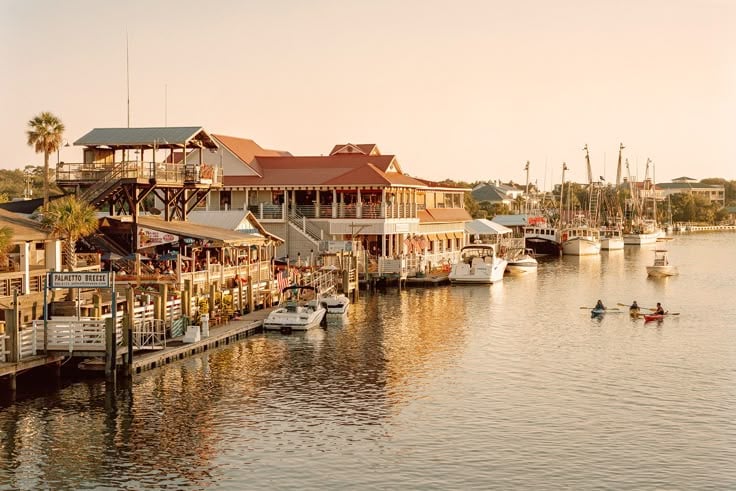
Shem Creek remains one of Mount Pleasant’s defining commercial and social anchors. The town describes it as a traditional harbor and historical hub, and recent projects have improved pedestrian access with a boardwalk and bike lanes that make the area easier to enjoy.
For buyers who want to be closer to historic dining and harbor-oriented destinations, established central neighborhoods often have an edge in location. That can shape everything from weekend plans to how often you use your car.
Near Shopping and Planned Corridors
On the newer side of town, retail access often looks different. Mount Pleasant Towne Centre stands out as a major mixed-use destination with more than 60 stores and restaurants plus a 16-screen theater, and the town’s growth history also points to centers like Wando Crossing, Belle Hall, and Seaside Farms as part of the modern expansion pattern.
The town is still improving connectivity along key retail corridors. Projects along Long Point Road and US 17 reflect how newer areas often grow alongside road and access improvements tied to shopping and regional travel.
Maintenance Tradeoffs to Expect
It is easy to assume that newer means easy and older means work, but the reality is more nuanced. In Mount Pleasant, newer neighborhoods often come with more formal standards and association oversight, while older neighborhoods may require more attention to systems, drainage, or exterior upkeep.
The better question is not which option is simpler. It is which type of responsibility fits your lifestyle and comfort level.
Newer Communities and HOA Structure
In communities like Dunes West and Park West, exterior standards and covenant enforcement are part of everyday ownership. That can support a more uniform appearance and help preserve shared spaces, but it also means you may need approval for certain exterior changes or be expected to maintain your property to community standards.
For many buyers, that tradeoff is worth it. You may gain a more curated environment, strong amenity packages, and a neighborhood that feels consistently maintained.
Established Areas and Due Diligence
In older neighborhoods, maintenance concerns are often less about formal oversight and more about the home site, infrastructure, and age of systems. Local projects in places like Hobcaw Point and Snee Farm show the kinds of issues that can come up over time, especially around drainage, sidewalks, and traffic calming.
That does not mean older homes or neighborhoods are a problem. It means you should go in with open eyes, ask detailed questions, and understand the property beyond surface-level charm.
Which Style Fits You Best?
If you are deciding between Mount Pleasant’s newer and established neighborhoods, it helps to narrow the choice to a few practical questions. Your answers will often point you in the right direction faster than comparing home styles alone.
Ask yourself:
- Do you want a walkable village feel or a more controlled master plan?
- Are you comfortable with HOA rules, architectural review, and regular exterior standards?
- Do you prefer mature landscaping and layered character, even if that may come with more upkeep?
- Is your daily routine more tied to Shem Creek and central Mount Pleasant, or to retail corridors and north-end conveniences?
- Would you rather buy in a fully settled neighborhood or in a community that may still be completing buildout?
In many cases, the best answer is not strictly “new” or “established.” Some buyers land in the middle with neighborhoods like I'On or Rivertowne, where design, walkability, and neighborhood identity blend elements of both.
Mount Pleasant offers that range better than many markets do. That is one reason buyers continue to find very different, but equally compelling, versions of home here.
If you want help comparing specific neighborhoods, home styles, and day-to-day tradeoffs in Mount Pleasant, Tricia Peterson - Island House Real Estate offers thoughtful, high-touch guidance tailored to how you actually want to live.
FAQs
What is the difference between new and established neighborhoods in Mount Pleasant?
- Newer neighborhoods are often master-planned communities with organized amenities, design standards, and planned infrastructure, while established neighborhoods usually have older street patterns, mature landscaping, and architecture that developed over time.
Which Mount Pleasant neighborhoods feel more walkable and village-like?
- Old Village and I'On are two of the clearest examples of neighborhoods with a walkable, village-style feel, while Rivertowne also offers pedestrian-friendly design features.
Which newer Mount Pleasant neighborhoods have more HOA oversight?
- Dunes West and Park West are strong examples of newer communities with covenants, architectural guidelines, and exterior standards that shape neighborhood appearance and maintenance expectations.
What should buyers watch for in established Mount Pleasant neighborhoods?
- Buyers should pay close attention to drainage, aging infrastructure, exterior systems, and neighborhood improvement projects, as shown by local work in areas like Hobcaw Point and Snee Farm.
Are newer Mount Pleasant neighborhoods closer to shopping?
- In many cases, yes. Newer north-end neighborhoods are often more closely tied to retail corridors and shopping destinations such as Mount Pleasant Towne Centre, Wando Crossing, Belle Hall, and Seaside Farms.
Are older Mount Pleasant neighborhoods closer to restaurants and the waterfront?
- Older central neighborhoods are generally closer to areas like Shem Creek and the historic core, which are known for dining, harbor access, and pedestrian-friendly public improvements.