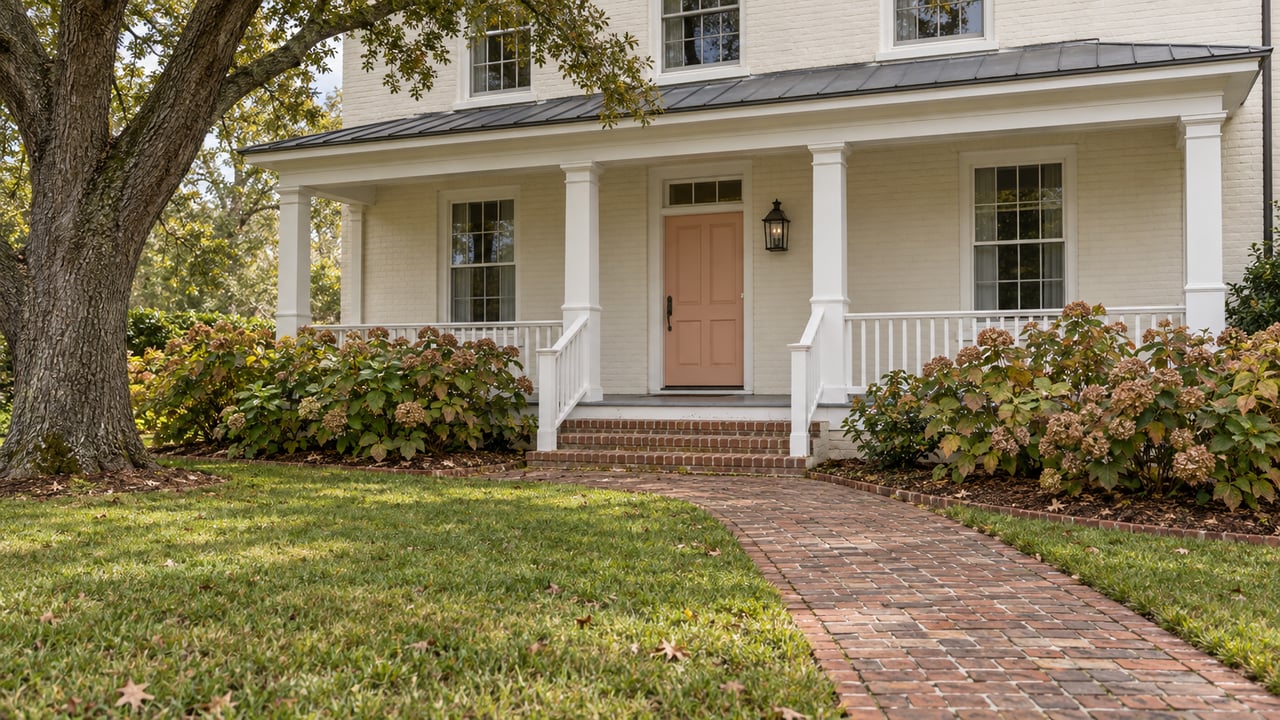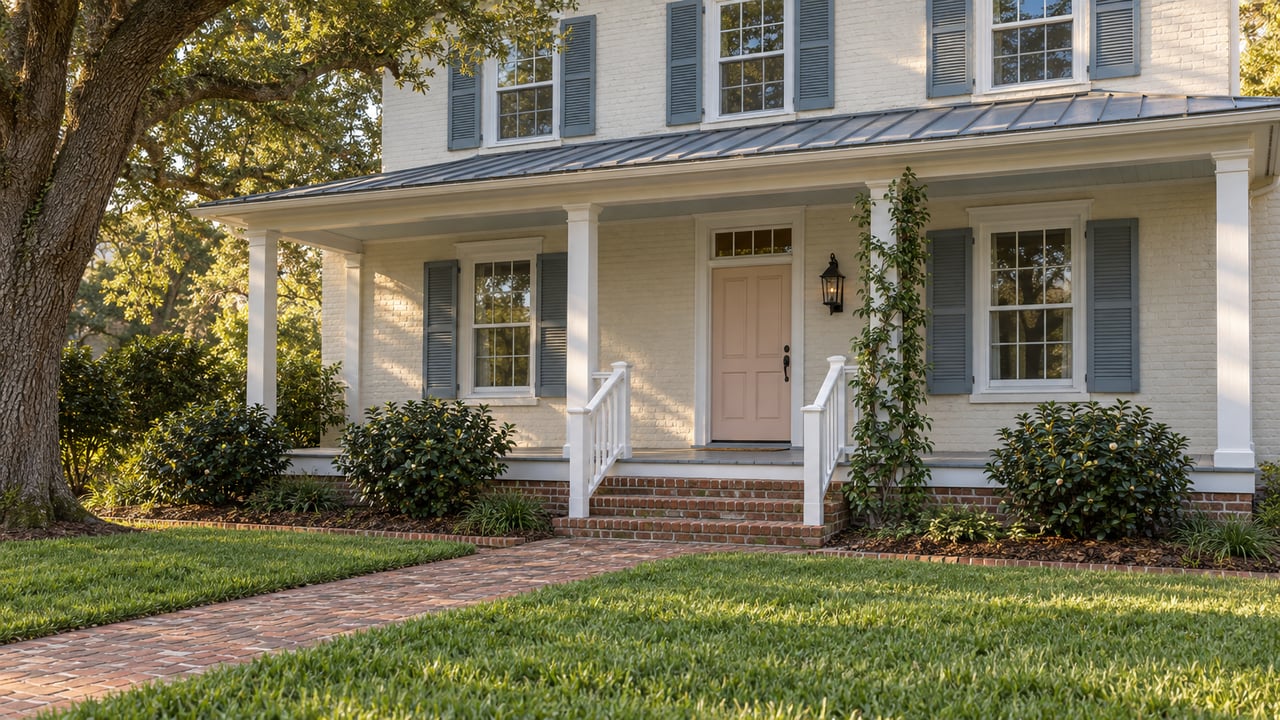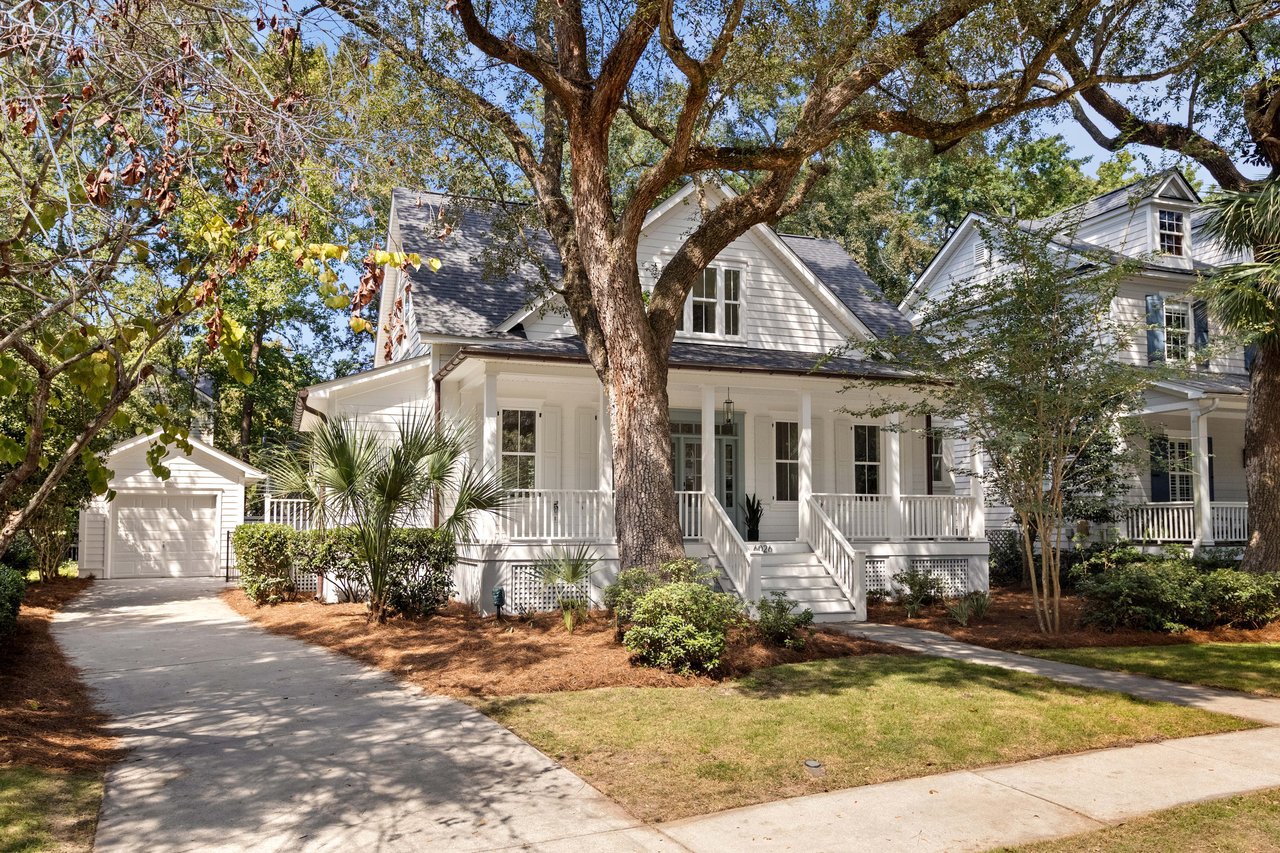
If you are preparing to sell a marshfront home in Mount Pleasant, you already know buyers are not just judging square footage and finishes. They are also paying close attention to the view, the lot, the flood-zone details, and how well the property feels cared for from the moment they arrive. When you understand what buyers commonly look for and get ahead of those questions, you can create a smoother, more confident sale. Let’s dive in.
Why marshfront homes need a different plan
A marshfront property in Mount Pleasant is often valued for both setting and condition. Buyers are not only walking through the home. They are also thinking about flood zone status, lot boundaries, vegetation, permits, and how the house sits in relation to the marsh.
That means getting market-ready involves more than decluttering and fresh paint. Your prep plan should also include thoughtful exterior presentation and a clean document package that supports buyer due diligence.
Start with the marsh view
For many buyers, the marsh view is the headline feature. Before your home hits the market, it helps to look at the exterior the same way a buyer will, with fresh eyes and attention to what stands out first.
Preserve the view carefully
In Mount Pleasant, tree removal and certain vegetation work can require approval, especially when protected trees or view-corridor issues are involved. The town also notes that topping is not an acceptable practice and warns that over-pruning can damage or destabilize trees.
For that reason, it is usually smarter to focus on restrained cleanup instead of aggressive clearing. Dead limbs, invasive growth, and visual clutter can often be addressed without creating permit questions or weakening the natural setting that makes the property appealing.
Keep natural buffers looking maintained
Marshfront buyers often expect a natural edge, not a stripped-down lot. Mount Pleasant’s guidance emphasizes natural vegetation and limits on clear-cutting or altering protected vegetation without prior approval.
A tidy, intentional exterior sends a stronger message than one that looks overworked. You want the landscape to feel cared for, stable, and appropriate to the setting.
Make outdoor spaces easy to understand
Outdoor living matters on a marshfront property. Buyers want to quickly see how they would use the porch, deck, patio, or path to the yard, and they should not have to guess what each area is meant for.
Stage for flow and function
Arrange furniture so each space has a clear purpose. A seating area should feel like a conversation spot, a dining area should read as a place to gather, and access paths should feel open and easy to follow.
This kind of simple staging helps the exterior feel polished rather than improvised. It also helps buyers connect the house to the surrounding landscape in a more natural way.
Remove storage distractions
Garden tools, extra planters, stacked chairs, hoses, and loose recreational gear can pull attention away from the setting. On a marshfront listing, the goal is to let the eye move toward the view, not stop at clutter.
A cleaner outdoor presentation also photographs better and makes the property feel easier to maintain. That can be especially important for buyers comparing several waterfront or marsh-edge homes.
Plan photography around the tide
Tide level can change how a marshfront property looks in a big way. Water lines, marsh grass, drainage patterns, and the visual relationship between the house and the marsh can read very differently depending on the tide stage.
NOAA provides official tide predictions, which makes it possible to plan listing photography more strategically. In some cases, one tide stage may show the setting more clearly, while in others it may be worth capturing supplemental images if high and low tide tell different parts of the property story.
For sellers, this is a useful reminder that photography timing matters. A well-planned shoot can make the home’s connection to the marsh feel more intentional and more accurate.
Gather documents before buyers ask
One of the best ways to build buyer confidence is to have your paperwork organized before the listing goes live. Marshfront buyers in Mount Pleasant often ask detailed questions early, and delays in getting records can create unnecessary friction.
Property disclosure comes first
South Carolina requires a residential property disclosure statement for most single-family and small residential transfers before contract. The form covers topics such as water supply, water quality, sewage, roof, foundation, structural components, mechanical systems, rental status, and HOA governance.
The state form also reminds buyers to review related documents like covenants, deeds, and bylaws. It makes clear that the disclosure is not a substitute for buyer inspections, but it still plays an important role in setting expectations up front.
Plat and parcel records matter
For marsh-edge parcels, buyers often want to review the recorded plat. Charleston County defines plats as surveyor-created drawings that show parcel size and boundaries, which makes them especially relevant when questions come up about lot lines, easements, or the marsh edge.
Charleston County property record cards and archival sales or conveyance records can also help confirm parcel history and tax-account details. These records can support a cleaner due-diligence process when questions arise.
Permit and elevation records are common requests
Mount Pleasant retains building permit and inspection files, certificates of occupancy, site plans, and elevation certificates through its document-request process. The town also notes that its GIS maps can show zoning, height, aerials, and flood zone information.
For a seller, this means permit history is not a side issue. If you have made exterior changes or improvements, buyers may want to see what was permitted and whether final approvals are available.
Be ready for flood-zone questions
Flood-zone details are part of normal due diligence for marshfront homes in Mount Pleasant. The town states that Flood Insurance Rate Maps determine base flood elevation, and it keeps elevation certificates on file. It also notes that standard property insurance policies do not cover flood losses.
Because of that, many buyers will ask about flood-zone status, base flood elevation, and any elevation certificate on file. If flood-related insurance documents are available, having them ready can help keep the conversation organized and reduce uncertainty.
Common flood-related items to prepare
- Flood-zone determination information
- Elevation certificate, if available
- Any accessible flood-related insurance documents
- Records tied to prior flood-related questions or file history
You do not need to guess what buyers may ask. In this segment of the market, these questions are expected.
Avoid last-minute site changes
It can be tempting to make quick exterior fixes right before listing, especially if you are trying to improve drainage or clean up the lot. But in Mount Pleasant, floodplain work can require permits beyond building construction, including site clearing, fill, and regrading.
The town also notes that substantially damaged or substantially improved structures may need to meet current flood regulations. In practical terms, that means last-minute grading, drainage changes, or clearing projects can create more questions than value if they are not handled carefully.
A better approach is to focus on presentation, maintenance, and documentation. Buyers tend to respond well when the property feels orderly and the records are easy to review.
Anticipate buyer questions early
When a marshfront home is positioned well, buyers can focus on the property itself instead of chasing paperwork. That often creates a better showing experience and a more efficient path once interest builds.
Some of the most common questions to expect include:
- Is the home in a flood zone?
- What is the base flood elevation?
- Is there an elevation certificate on file?
- What does the recorded plat show about boundaries or easements?
- Which exterior changes were permitted?
- Are final approvals or certificates of occupancy available?
- Are there HOA, covenant, resale, or rental restrictions?
If your home is in an association-governed community, the South Carolina addendum also asks about charges, special assessments, restrictions, assigned spaces, common-area issues, visitor or animal restrictions, and membership transfer matters. Having those details organized helps buyers feel that the sale is being handled with care.
A smart marshfront prep checklist
Before listing your Mount Pleasant marshfront home, focus on these priorities:
- Clean up the exterior without over-clearing vegetation
- Address dead limbs, invasive growth, and visible clutter
- Stage porches, decks, patios, and paths with clear purpose
- Schedule photography with tide timing in mind
- Complete the South Carolina property disclosure statement
- Gather the recorded plat and key parcel records
- Collect permit history, inspection files, and certificates of occupancy if applicable
- Request elevation certificate and flood-zone information if available
- Organize HOA or covenant documents if the property is association-governed
- Avoid unplanned grading, fill, drainage, or clearing work before listing
Why this preparation pays off
Marshfront homes in Mount Pleasant often attract careful, detail-oriented buyers. They are drawn to the beauty of the setting, but they also want clarity around the practical side of ownership.
When your property is thoughtfully presented and your documents are ready, the home feels more credible from the start. That can support stronger buyer confidence, cleaner conversations during due diligence, and a more polished market debut.
If you are getting ready to sell a marshfront home in Mount Pleasant, working with a team that understands waterfront presentation, listing prep, and the local questions buyers tend to ask can make the process feel much more manageable. To plan your next steps with concierge-style guidance, connect with Tricia Peterson - Island House Real Estate.
FAQs
What makes marshfront homes in Mount Pleasant different to prepare for sale?
- Marshfront homes are often evaluated for both condition and setting, so buyers commonly look at the view, exterior presentation, flood-zone information, plats, and permit history along with the home itself.
What documents should sellers gather for a Mount Pleasant marshfront home?
- Sellers should be ready with the South Carolina property disclosure statement and, when applicable, recorded plats, parcel records, permit files, certificates of occupancy, elevation certificates, flood-related documents, and HOA or covenant materials.
Why do buyers ask for an elevation certificate on a Mount Pleasant marshfront property?
- Mount Pleasant keeps elevation certificates on file, and buyers often review them along with flood-zone information and base flood elevation details as part of normal due diligence.
Can sellers clear trees or vegetation to improve a marsh view in Mount Pleasant?
- Sellers should be careful, because Mount Pleasant protects certain trees and regulates some removal, view-corridor work, and alterations to protected vegetation, so restrained cleanup is usually the safer approach.
Should listing photos for a Mount Pleasant marshfront home be scheduled around the tide?
- Yes, tide stage can change how the marsh, water, and drainage read in photos, so timing a shoot around the tide can help the property show more clearly.