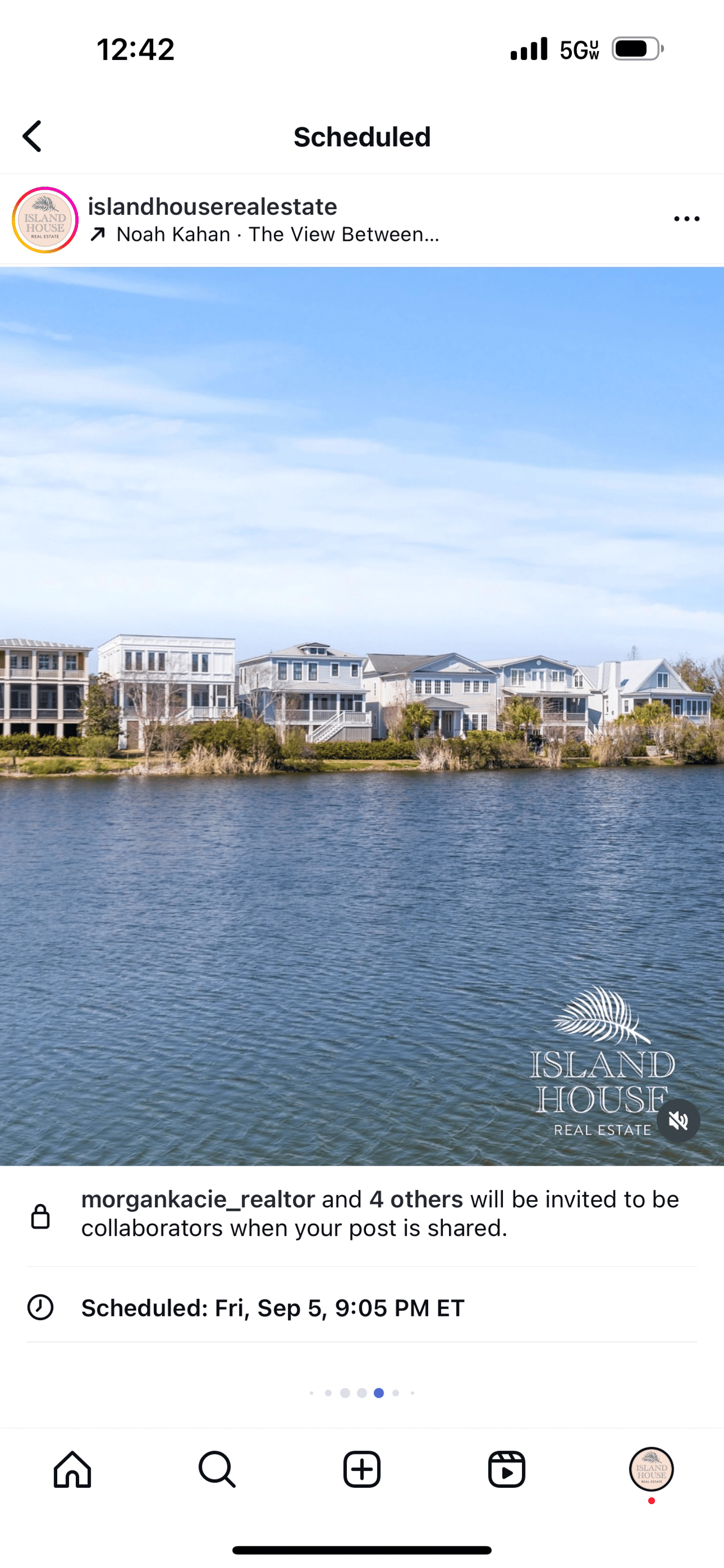
Are you dreaming about a second home that feels like a true escape, not just another busy beach address? If you are weighing Seabrook Island, you are likely looking for more than sand and sunshine. You want to know how the island actually lives day to day, what ownership requires, and whether the lifestyle matches the way you plan to use your home. This guide will help you see where Seabrook fits, where it may not, and what to think through before you buy. Let’s dive in.
Why Seabrook Island Stands Out
Seabrook Island is not a typical public beach town. It is a private, gated barrier island about 23 to 30 miles southwest of Charleston, with roughly 2,400 acres, about 2,600 residential properties, and around 3.6 miles of private beach. That structure shapes nearly every part of the ownership experience.
If you are looking for a quieter second-home setting, that may be a major draw. Official island materials describe a community made up of both full-time and part-time residents, which makes Seabrook especially relevant if you expect to use your home seasonally. It tends to appeal to buyers who want a repeatable routine instead of a constantly changing vacation scene.
The island also leans heavily into its natural setting. The town highlights beaches, marshes, and wildlife protection, and notes that parts of the beach serve as critical habitat for piping plovers and loggerhead sea turtles. Seabrook is also described as an Audubon International Certified Sustainable Community, which adds to its nature-forward identity.
What Second-Home Ownership Feels Like
A second home on Seabrook often feels more structured than spontaneous. That is not a negative, but it is important to understand before you buy. If you value privacy, managed access, and an amenity-rich environment, the setup may feel reassuring.
SIPOA, the Seabrook Island Property Owners Association, is the private nonprofit homeowners association and gated-community operator. It maintains roads, drainage, landscaped areas, nature trails, a crab dock, a kayak launch, community gardens, and beach access boardwalks. It also provides 24/7 access control and rules enforcement.
Annual assessments help fund operations, reserves, road repaving, drainage improvements, and beach renourishment. For many second-home buyers, this kind of oversight supports peace of mind, especially when you are not on the island year-round. At the same time, it means ownership comes with ongoing community obligations.
Club Membership Is Part of the Picture
One of the most important things to know is that the private club and SIPOA are separate, but both matter. SIPOA states that property owners are required to join the Seabrook Island Club at purchase. That means club orientation is built into ownership, not treated as an optional extra for many buyers.
The club operates the golf courses, racquet center, equestrian center, Island House, and Beach Club. Club materials show multiple membership levels, with different access rules for golf, tennis, pools, fitness, dining, and other amenities. In simple terms, the island lifestyle is designed around participation in a private amenity system.
This is often a strong fit if you want your second home to come with a built-in rhythm. You may spend your mornings at the beach, afternoons on the tennis or pickleball courts, and evenings at a club dining venue. If that sounds appealing, Seabrook may check an important box.
Access Is Private and Structured
Seabrook offers privacy, but privacy comes with process. SIPOA says property owners use Owner, Amenity, and Proximity cards for certain facilities. Guest guidance also notes that amenity cards are required for the Beach Club, pools, golf, tennis, pickleball, and the Lake House.
That creates a very different feel from a beach town where you simply wander in and out of public spaces. Some buyers love that controlled environment because it helps preserve a calm, resident-focused atmosphere. Others may prefer a more casual setting with fewer access rules.
If you are considering Seabrook as a second home, ask yourself a simple question: do you want your coastal retreat to feel curated and community-managed? If the answer is yes, this model may suit you very well.
Daily Lifestyle: Self-Contained but Connected
One reason Seabrook stands out is that it feels tucked away without feeling isolated. Official materials highlight dog-friendly beach areas, horseback riding on North Beach, an oceanfront Beach Club, and easy access to Freshfields Village for groceries, shopping, and dining. That combination creates a lifestyle that feels self-contained while still offering practical off-island convenience.
For many second-home buyers, that balance matters. You may want a sense of retreat, but you still need an easy path to errands and everyday basics. Seabrook seems to offer that middle ground better than places that feel either too remote or too commercially busy.
The island also tends to support a predictable pattern of use. You can picture long weekends, school breaks, extended summer stays, or seasonal visits without needing to build every outing around a tourist-driven environment. That reliability is often part of the appeal.
Seasonal Living on Seabrook Island
If you are buying a second home, seasonality matters. NOAA climate normals for Charleston show summer highs in the mid-to-upper 80s, while January averages a daily high of 58.0 degrees and a daily mean of 50.8 degrees. July and August are also the wettest months in the climate summary.
That means Seabrook is usable year-round, but the most obvious second-home season runs from spring through fall. Winter tends to feel quieter and cooler, which some owners may see as a benefit. If your ideal second home includes slower off-season weekends, that quieter rhythm may be a plus.
You should also expect some island services and routines to shift with the calendar. The beach guide notes that the Seabrook Shoppe closes on September 30 for the winter season, which is a small but useful example of how the island scales back when it is less busy.
Beach Rules and Pet Considerations
If beach access is one of your main reasons for buying, it is worth paying attention to seasonal rules. The town publishes peak and off-peak pet rules for the beach and actively patrols the shoreline. North Beach is noted as dog-friendly, and dogs are allowed off-leash in designated areas during summer hours.
This matters because the island experience is not the same every month of the year. If you plan to bring pets regularly, or if your family routines center around the beach, understanding these seasonal patterns will help you decide whether Seabrook fits the way you actually live.
It also reinforces a larger point. Seabrook is designed to balance recreation, community order, and environmental stewardship, rather than offer an anything-goes beach setting.
Renting Out a Seabrook Second Home
Some second-home buyers want the option to rent their property when they are not using it. If that is part of your plan, you need to understand the local framework before you buy. The town states that an annual short-term rental permit is required for any dwelling rented or offered for rent for fewer than 30 consecutive days.
That does not mean a rental strategy is off the table. It does mean you should go in with a clear understanding of the town’s permit requirement and the operational realities of owning in a private, rule-based community. Buyers who assume a casual rental setup may find the process more involved than expected.
A thoughtful purchase decision starts with matching your goals to the property and the island’s rules. If your second home is primarily for personal use with occasional rental consideration, Seabrook may still work well. If you want a looser, high-turnover vacation rental environment, the fit may be less natural.
Coastal Weather and Ownership Planning
Barrier island ownership always comes with weather considerations. NOAA states that the Atlantic hurricane season runs from June 1 to November 30. The South Carolina Department of Insurance advises coastal owners to think about both wind coverage and flood insurance.
For second-home buyers, this is part of practical planning, not just a background detail. If you live elsewhere most of the year, you will want a clear plan for storm preparation, insurance review, and property oversight. A beautiful coastal setting often asks for a little more forethought, and Seabrook is no exception.
This is another reason the island tends to attract buyers who appreciate a managed environment. Structure can be helpful when your home is not occupied full-time.
How Seabrook Compares Nearby
Seabrook vs. Kiawah Island
Kiawah is also private and gated, but official materials present it as larger and more resort-scaled. KICA says it maintains 19 miles of leisure trails and 26 boardwalks, while Kiawah Island Club describes a broader lineup of named venues and amenities. Membership access is also more limited to select qualifying purchases or certain resales.
Compared with that setup, Seabrook often reads as smaller and more owner-governed. If you want a private island setting that feels club-oriented but somewhat less expansive than Kiawah’s larger resort ecosystem, Seabrook may land in a comfortable middle ground.
Seabrook vs. Sullivan’s Island
Sullivan’s Island reads more like a classic residential beach town. Official and tourism materials describe beach walks, biking, restaurants, shopping, and a small-town atmosphere. Compared with Seabrook, that points to a more open, town-centered setting with less emphasis on private club structure.
If your idea of a second home includes a more public-facing beach town feel, Sullivan’s Island may be closer to what you want. If you prefer a private, gated environment with integrated amenities, Seabrook will likely feel more aligned.
Seabrook vs. Isle of Palms
Isle of Palms is more public and visitor-oriented. The city notes more than 50 beach access paths and a detailed parking system, which signals a busier and more access-heavy beach environment. For some buyers, that energy is part of the fun.
For others, it is exactly what they want to avoid in a second home. If you are seeking privacy, controlled access, and a more contained ownership experience, Seabrook offers a very different atmosphere.
Who Seabrook Fits Best
Seabrook appears best suited to buyers who want a consistent coastal routine built around private beach time, club use, and nature-rich surroundings. It is especially attractive if you value a managed community environment and are comfortable with mandatory association and club structures. Many second-home buyers find that this setup makes it easier to enjoy the property in a predictable, low-friction way.
It may be a weaker fit if you want a high-traffic public beach scene, minimal ongoing community obligations, or a purely spontaneous vacation-town atmosphere. In other words, Seabrook is not trying to be everything to everyone. Its appeal is specific, and for the right buyer, that specificity is exactly the point.
If you are weighing Seabrook against Charleston’s other island options, the smartest next step is to look past the postcard image and focus on the rhythm of ownership. The right second home is not just about beauty. It is about whether the setting supports the way you want to live, return, and unwind year after year.
If you are considering a second-home purchase in the Charleston area and want tailored guidance on island lifestyle, ownership structure, and what best fits your goals, connect with Tricia Peterson - Island House Real Estate.
FAQs
Is Seabrook Island a good place for a second home?
- Seabrook Island can be a strong second-home choice if you want a private, gated setting with club amenities, beach access, and a quieter, more structured coastal lifestyle.
What does ownership on Seabrook Island include?
- Ownership includes living within a SIPOA-managed private community, and SIPOA states that property owners are required to join the Seabrook Island Club at purchase.
Are Seabrook Island amenities open to everyone?
- No. Official guidance says certain amenities require owner or amenity cards, including access to places such as the Beach Club, pools, golf, tennis, pickleball, and the Lake House.
Can you rent out a second home on Seabrook Island?
- Yes, but the town states that an annual short-term rental permit is required for any dwelling rented or offered for rent for fewer than 30 consecutive days.
How does Seabrook Island compare with other Charleston-area islands?
- Seabrook generally offers a more private and club-centered setting than Sullivan’s Island or Isle of Palms, while feeling smaller and more owner-governed than Kiawah’s broader resort-club system.
What should second-home buyers plan for on Seabrook Island?
- You should plan for seasonal routines, community rules, annual assessments, and coastal weather considerations such as wind coverage and flood insurance planning.