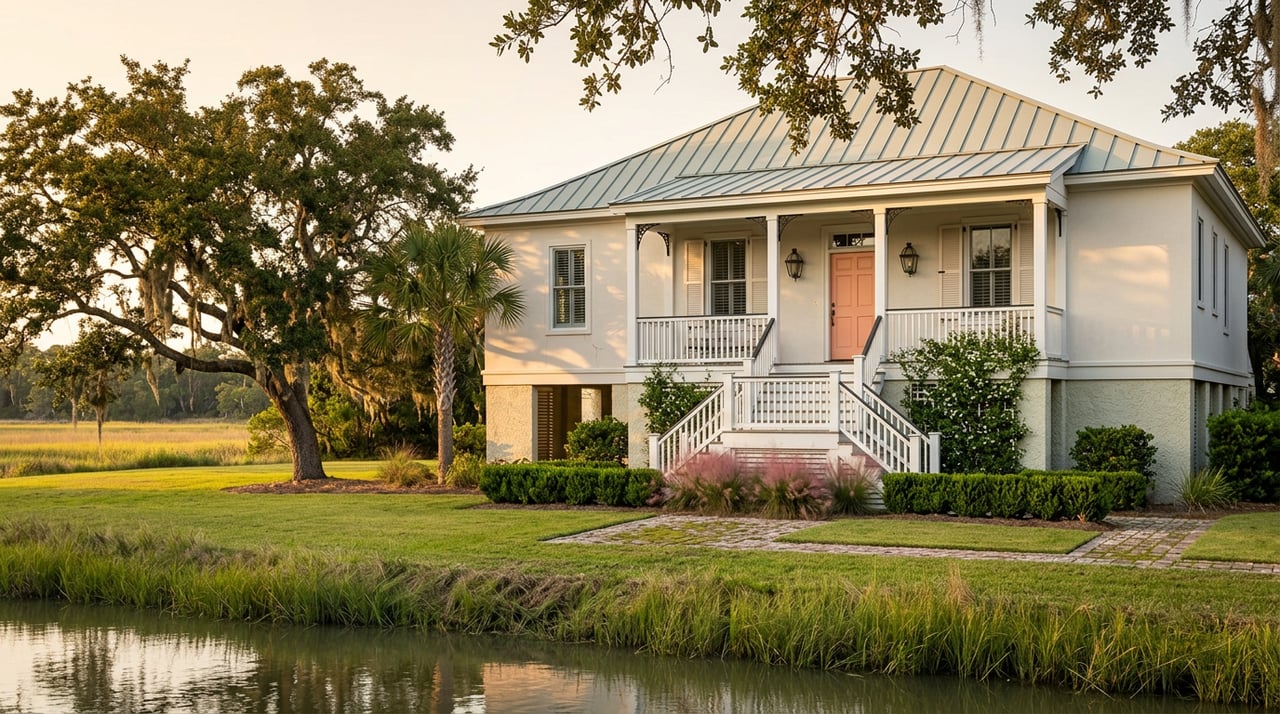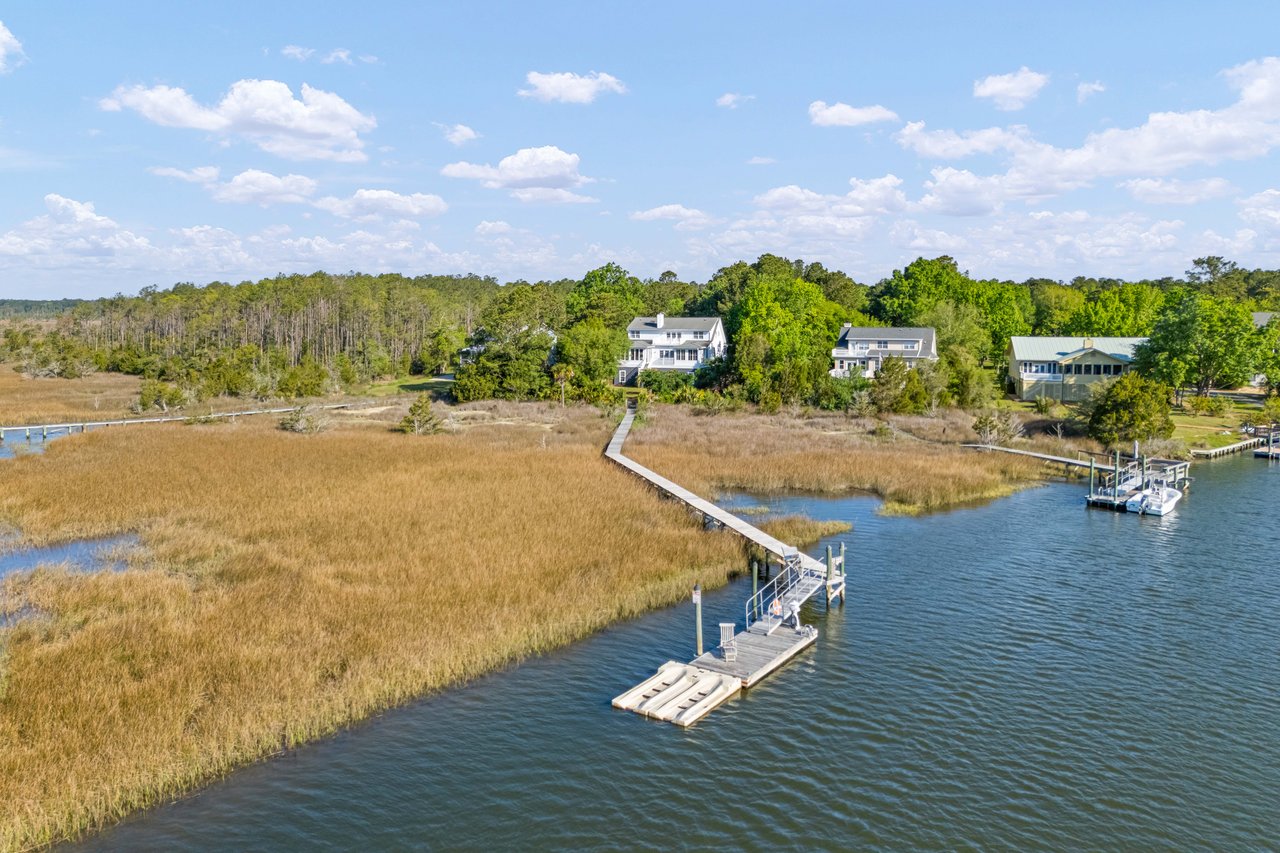
If you are shopping for a waterfront home near Charleston, the view is only the beginning. Around Johns Island, luxury buyers tend to look past the photo-ready dock or wide marsh panorama and focus on how a property will actually live day to day. When you know what to evaluate, you can compare homes with more confidence and avoid costly surprises later. Let’s dive in.
Waterfront Means Different Things Here
Near Johns Island, “waterfront” can describe several very different settings. Buyers may be comparing tidal creek lots, marsh-front parcels, riverfront homes, or ocean-adjacent properties, each with a distinct ownership experience.
That matters because the Charleston Lowcountry is shaped by tidal wetlands and estuary systems. According to the National Park Service’s overview of tidal wetlands, salt marshes often form near river mouths, behind barrier islands, in bays, and along coastal plains. In practical terms, that means the type of shoreline you choose can affect privacy, views, exposure, and maintenance.
For many luxury buyers, the real question is not simply whether a home is on the water. It is what kind of water sits behind the home, how that shoreline behaves, and whether it supports the way you want to live.
Water Access Is About Usability
A long stretch of waterfront does not always equal easy boating. In the Lowcountry, tides change the way a dock, shoreline, or lift functions throughout the day.
The National Weather Service in Charleston notes that water levels in the South Carolina Lowcountry can change every six hours and often swing 4 to 6 feet on an average day. The same source also reports that Charleston Harbor has averaged 57 coastal flood events a year since 2020, which is a useful reminder that water conditions are dynamic here.
For that reason, luxury buyers often evaluate access with a few practical questions:
- Is the dock usable at low tide?
- Can your boat draft work with the creek or river depth?
- Does the shoreline support year-round use or only certain tide windows?
- Will the property match your boating habits, or will you still rely on a marina or public landing?
Nearby infrastructure can help frame that decision. Around Johns Island, buyers may compare a home’s boating convenience with access points like John P. Limehouse Landing, Bohicket Marina, and St. Johns Yacht Harbor. These are useful reference points when you are deciding whether private waterfront access truly fits your routine.
Views, Privacy, and Daily Experience
One of the biggest differences between waterfront properties is how the setting feels over time. A marsh-front home often offers a quieter, more buffered backdrop, while a riverfront site may deliver broader water drama and movement.
Ocean-adjacent homes can provide open horizons and a stronger sense of coastal exposure. At the same time, shoreline type matters because Charleston County identifies storm surge from Atlantic hurricanes as the region’s greatest flood threat, making exposure part of the lifestyle and risk equation.
Luxury buyers usually weigh three experiences side by side:
- Marsh-front living for privacy and a softer estuary backdrop
- Tidal-creek settings for intimacy, nature, and tide-driven change
- Riverfront or ocean-adjacent sites for wider views and a more open water feel
The best choice depends on what matters most to you. Some buyers want a layered marsh view and natural screening. Others want a dramatic horizon or direct boating orientation.
Outdoor Living Should Be Tested
In waterfront homes near Charleston, porches, terraces, pools, and decks are not just nice extras. They are part of how the property performs every day.
The National Weather Service Charleston science page explains that the sea breeze can noticeably affect temperatures, wind, and humidity along the coast. Cooler and breezier conditions often follow that daily shift, which means orientation can shape how comfortable a porch or outdoor kitchen feels in real life.
That is why many experienced buyers visit a property more than once. If possible, it helps to see the home in the morning, later afternoon, and near sunset so you can understand:
- Where the shade falls in summer
- How sun reaches the pool or terrace
- Whether breezes improve comfort outdoors
- How windows and outdoor rooms connect to the view
A beautiful setting is important, but so is comfort. The strongest waterfront properties often deliver both.
Flood Risk Should Be Reviewed Early
Flood risk is one of the first items serious buyers should review, not one of the last. It affects carrying costs, insurance planning, and your comfort level with the property.
FEMA’s flood insurance guidance states that standard homeowners insurance policies do not usually cover flood damage. Flood insurance is typically a separate policy, and NFIP coverage generally includes a 30-day waiting period unless the policy is connected to a lender requirement or a qualifying map change.
In higher-risk flood areas, homes with government-backed mortgages are required to carry flood insurance. Even when it is not required, buyers often want quotes early so they can understand the full cost of ownership before making assumptions.
A smart due diligence review may include:
- Confirming the flood zone
- Requesting an elevation certificate if available
- Reviewing FEMA map tools and county flood resources
- Getting an insurance quote before you finalize your budget
Charleston County’s emergency management resources direct property owners and buyers to flood-zone determinations and related tools. In the Charleston market, you will also hear the term Special Flood Hazard Area, which the City of Charleston defines as the 1% annual chance floodplain.
Future Improvements May Need Extra Review
Luxury buyers often think beyond the current home. You may already be imagining a pool, outdoor kitchen, guest space, garage expansion, dock work, or a larger renovation.
On Johns Island, that future planning matters. Charleston County identifies Johns Island as one of its Stormwater Special Protection Areas, which means some grading, additions, and land-disturbance work can require added review.
The county’s stormwater resources and sea-level-rise viewer can be helpful for early screening. The county also makes clear that the viewer is only a screening tool and should not be used for permitting, navigation, or legal purposes.
If you are buying with a long-term improvement plan in mind, it is wise to ask early about permit pathways, shoreline considerations, and whether the parcel could face additional review for future work.
Maintenance Is Part of Luxury Ownership
Waterfront living near salt water comes with a different maintenance profile than an inland property. Finishes may look beautiful at closing, but long-term durability is what matters over years of ownership.
FEMA’s Coastal Construction Manual notes that salt spray and moisture can accelerate corrosion and decay of building materials in coastal environments. For buyers, that means it is worth paying attention not only to interiors, but also to exterior hardware, structural connectors, docks, and shoreline structures.
Shoreline condition matters too. NOAA Fisheries notes that salt marshes and oyster reefs help buffer storms, while South Carolina’s coast and marshes are under pressure from sea-level rise and erosion. That makes shoreline type part of the long-term ownership discussion, not just a scenic detail.
Access on Land Matters Too
Waterfront buyers naturally focus on the water, but road access is also part of the decision. On island properties, everyday convenience and storm-season planning can both be affected by road patterns and chokepoints.
Charleston County’s hurricane guide routes Johns Island, Kiawah Island, and Seabrook Island via SC 700/Main Road to US 17 during evacuations. That does not make one property better than another by itself, but it does mean location should be evaluated with access and exit routes in mind.
For many buyers, this becomes a quality-of-life question as much as a storm-preparedness question. You want a home that feels like a retreat, but also one that fits how you move through the area.
A Smart Luxury Buyer Checklist
When you compare waterfront homes near Johns Island, it helps to use the same framework every time. That keeps emotion from overpowering the practical details.
Here is a simple checklist to bring into showings and private tours:
- Water type: Is it marsh-front, tidal creek, riverfront, or ocean-adjacent?
- Tide usability: What happens to the dock or shoreline at low tide?
- Boating fit: Does the access support how you actually use a boat?
- Outdoor comfort: How do sun, shade, and breeze change during the day?
- Flood review: Have you checked the flood zone, elevation certificate, and insurance options?
- Future plans: Could additions, grading, or shoreline work need extra review?
- Maintenance load: What salt-air or waterfront upkeep should you expect?
- Road access: How does the location connect to major routes and evacuation paths?
The right waterfront home is rarely just the one with the prettiest photo. More often, it is the one whose water type, access, orientation, and upkeep align with how you plan to live.
If you want a thoughtful, high-touch perspective as you compare waterfront opportunities near Charleston, Tricia Peterson can help you evaluate each property with clarity and confidence.
FAQs
What should luxury buyers compare when looking at waterfront homes near Johns Island?
- Compare water type, tide usability, boating access, outdoor comfort, flood risk, future improvement restrictions, maintenance needs, and road access.
How do tides affect waterfront homes near Charleston?
- The National Weather Service says Lowcountry water levels can swing 4 to 6 feet on an average day, which can change how a dock, lift, or shoreline functions.
Do waterfront buyers near Johns Island need separate flood insurance?
- FEMA says standard homeowners insurance policies do not normally cover flood damage, so flood insurance is usually a separate policy.
Why does shoreline type matter for Johns Island waterfront homes?
- Shoreline type affects privacy, views, exposure, maintenance, and how the property performs during tides and storm events.
Should buyers visit Charleston waterfront homes at different times of day?
- Yes. Seeing a property in the morning, afternoon, and near sunset can help you judge sun, shade, breeze, humidity, and outdoor comfort more accurately.