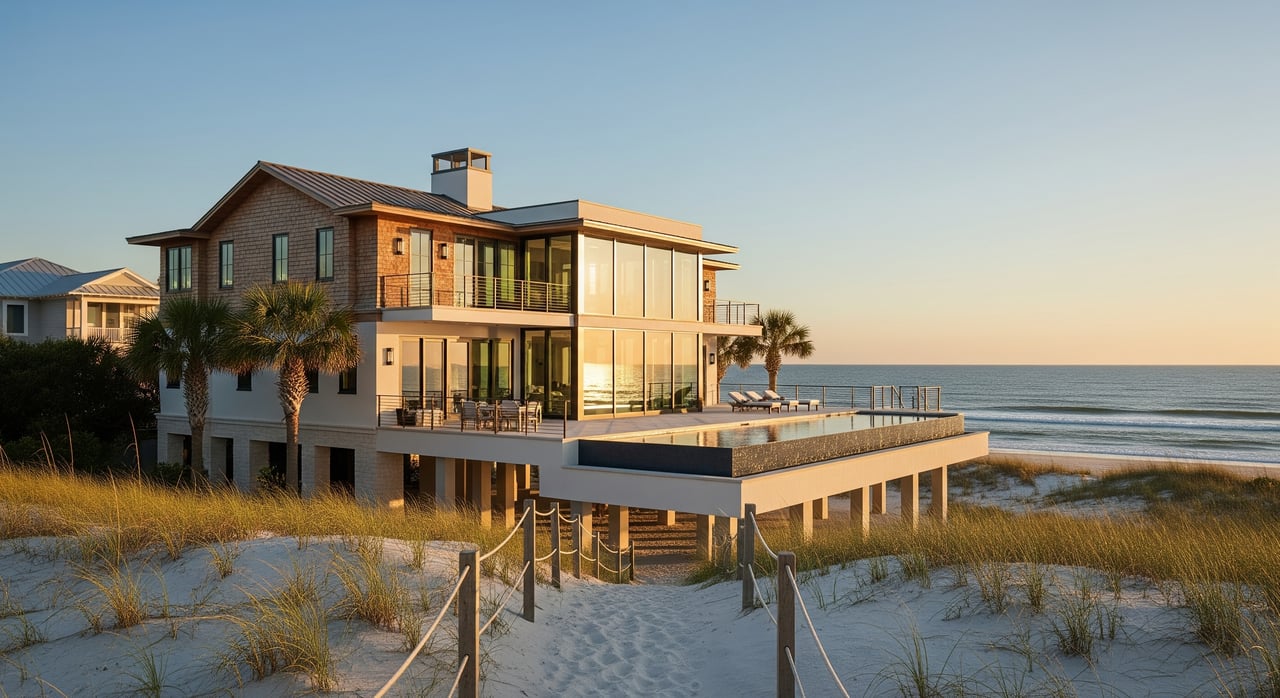
Shopping for a beach home on Isle of Palms is exciting, but insurance here works differently than it does inland. You want clear answers on coverage, deductibles, and timing so you can budget confidently and avoid last‑minute surprises. In this guide, you’ll learn how coastal homeowners, wind and flood coverages fit together, what hurricane deductibles mean in real dollars, how binding moratoriums can affect closing, and what to ask for condos in Wild Dunes and beyond. Let’s dive in.
What your policy covers
A standard homeowners policy for a single‑family home often follows the HO‑3 format. It typically includes coverage for the dwelling, personal property, liability, and additional living expenses if you need to relocate during repairs. On the coast, wind and hurricane coverage may be limited or handled with a separate deductible or policy. Underwriting can vary by carrier on barrier islands, and some homes may need wind mitigation improvements to qualify.
For a plain‑English overview of homeowners coverage and policy parts, review the NAIC’s consumer guide to homeowners insurance. The NAIC explains common coverages, limits, and how deductibles work so you can compare options more easily.
Wind and hurricane deductibles
Many coastal policies use special deductibles for wind or named storms. Instead of a flat dollar amount, the deductible is often a percentage of your dwelling coverage limit.
- Percentage deductible example: If your dwelling limit is $600,000 and the hurricane deductible is 2 percent, your out‑of‑pocket deductible would be $12,000. At 5 percent, it would be $30,000.
- Named‑storm vs. hurricane deductible: A named‑storm deductible can apply to losses from any named tropical system. A hurricane deductible generally applies only when a hurricane causes the damage. Triggers and definitions vary by policy.
For a clear overview of how these deductibles work, see the Insurance Information Institute’s explainer on hurricane and windstorm deductibles. Ask your insurer to show you the exact page in the policy that defines the trigger and how multiple claims from one storm are treated.
Flood insurance on IOP
Flood is not covered by your homeowners policy. You purchase it separately through the National Flood Insurance Program (NFIP) or a private flood insurer. Many Isle of Palms properties fall within FEMA Special Flood Hazard Areas, including V or VE coastal zones.
- NFIP basics: NFIP residential policies have historically offered up to $250,000 for the building and $100,000 for contents. According to NFIP’s consumer site, policies typically have a 30‑day waiting period to start, with certain exceptions for loan closings.
- Private flood: Private insurers may offer higher limits, different coverage features, and varied waiting periods. Lenders usually accept private flood if it meets federal requirements.
- Elevation and mapping: Check a property’s flood zone using FEMA’s Map Service Center to understand risk and rating requirements.
For program details and what flood policies do and do not cover, review NFIP’s consumer resources.
Helpful links:
- Review NFIP’s flood insurance basics on the official consumer site.
- Look up your property’s FEMA flood zone on the Map Service Center.
Condos: HO-6 and master policy
If you are buying a condo in Wild Dunes or elsewhere on Isle of Palms, you will work with two layers of coverage. The association’s master policy covers common elements and, depending on how it is written, part of the building shell. Your individual HO‑6 policy covers the interior, personal property, liability, and often loss assessment.
- Master policy types: “All‑in,” “single entity,” “walls‑in,” or “bare walls” policies define where the association’s coverage stops and yours begins. This boundary determines whether your HO‑6 must cover finishes, fixtures, and improvements.
- Flood for condos: The master policy rarely covers flood damage to the interior of your unit. You may need a separate flood policy for contents and interior improvements if the building is in a Special Flood Hazard Area.
- Deductible exposure: Many associations have sizable wind or named‑storm deductibles. After a storm, those deductibles can be allocated to unit owners through special assessment. Confirm how this works before you buy.
Binding moratoriums
Insurers often pause binding new policies in an area when a tropical system is approaching or a watch or warning is in effect. This binding moratorium can prevent you from starting a new homeowners or flood policy just days before closing.
- Season timing: The National Hurricane Center notes the Atlantic hurricane season runs from June 1 to November 30, with the highest activity in late summer and early fall. Moratoriums are more common when a storm threatens the Southeast coast.
- Why it matters: Lenders require proof of insurance at closing. If your carrier cannot bind because of a moratorium, your closing can be delayed.
- What to do: Start quotes and submit applications well in advance, especially if you plan to close during hurricane season. The South Carolina Department of Insurance provides consumer guidance and updates during storm periods.
Timing and budgeting
Begin the insurance process 3 to 4 weeks before closing. If your closing falls in hurricane season, start 6 or more weeks ahead to avoid moratorium delays.
- Budgeting: Coastal homes typically carry higher premiums due to wind and flood exposure. Request quotes that break out homeowners, wind endorsements or separate wind policies, flood premiums, and any surcharges.
- Out‑of‑pocket exposure: Convert any percentage wind or hurricane deductible into a dollar amount so you know what a storm claim could cost.
- Escrows: Many lenders escrow insurance and taxes. Confirm what will be collected monthly so your budget is accurate.
- Mitigation: Impact‑resistant windows, storm shutters, roof upgrades, hurricane straps, and elevation documentation may reduce premiums and risk.
What to gather
Before you call insurers or seek lender approval, assemble:
- Property address, legal description, purchase contract, and closing date
- Replacement cost estimate or key details such as square footage, year built, and roof type
- Home inspection report and photos of roof, windows, and tie‑downs
- Any available elevation certificate, or a note to order one if required
- Seller disclosure and prior loss history if available
- Lender contact and a list of insurance requirements for closing
- For condos: the association’s master policy, bylaws, Certificate of Insurance, and recent financials
Questions for insurers and lenders
Use this checklist during your quote calls and lender review:
- Is the home in a FEMA Special Flood Hazard Area, and is an elevation certificate required for rating?
- Will the lender accept private flood, and what minimum limits are required?
- What is the homeowners premium, the wind or named‑storm premium, the flood premium, and any surcharges? Please separate each cost.
- If there is a hurricane or wind deductible, what is the exact percentage and the dollar amount based on my dwelling limit?
- What policy language defines a “hurricane” or “named storm,” and when does the deductible apply?
- What are the waiting periods for flood coverage, and are there exceptions for loan closings?
- When do you typically stop binding in Charleston County if a storm approaches, and what are my options if a moratorium occurs near closing?
- Are there discounts for wind mitigation, impact‑resistant windows, roof upgrades, or elevation credits for flood?
- Are dwelling and contents covered at replacement cost or actual cash value?
- What exclusions should I know about, such as seawalls, backfill, basements in coastal zones, mold, or code upgrade coverage?
Questions for your HOA
Condo and townhome buyers should clarify:
- Which parts of the structure the master policy covers, including roofs, exterior, parking areas, and bulkheads
- Whether the master policy’s wind or named‑storm deductible can be assessed to unit owners
- If reserves exist to handle large deductibles or storm recovery
- Access to the master policy, recent loss runs, and financial statements
Avoid these pitfalls
- Waiting to insure until a storm is forecast, which can trigger a moratorium and delay your closing
- Assuming homeowners insurance covers flood, which it does not
- Skimming the condo master policy and missing coverage gaps or assessment exposure
- Ignoring percentage deductibles and underestimating out‑of‑pocket costs after a storm
- Relying only on NFIP limits when your home or contents value exceeds those maximums without exploring private or excess options
Next steps
Buying on Isle of Palms should feel exciting and manageable. With a head start on quotes, a clear understanding of hurricane and flood coverage, and the right questions in hand, you can protect your new home and your budget.
If you want a local partner to coordinate quotes, gather association documents, and keep your closing on track, schedule a private consultation with Tricia Peterson. We help you compare options, line up timelines, and move in with confidence.
FAQs
What insurance do I need to buy a home on Isle of Palms?
- Most buyers need a homeowners policy, wind or hurricane coverage if not included, and separate flood insurance through NFIP or a private flood carrier.
How do hurricane deductibles impact my budget?
- They are often percentage based; for example, 2 percent on a $600,000 dwelling limit equals a $12,000 deductible if a covered hurricane causes damage.
Does flood insurance have a waiting period on IOP?
- NFIP policies typically have a 30‑day waiting period, with certain exceptions for loan closings; private flood waiting periods vary by insurer.
What is a binding moratorium in South Carolina?
- When a storm threatens, many carriers temporarily stop binding new policies, which can delay closing if you have not secured coverage in advance.
For condos in Wild Dunes, what should my HO‑6 cover?
- Your HO‑6 usually covers interior finishes and belongings, liability, loss assessment, and often separate flood for your contents and improvements if needed.
How early should I start insurance quotes for an IOP closing?
- Start 3 to 4 weeks before closing, and begin earlier in hurricane season to avoid moratorium issues and last‑minute document requests.
References for further reading:
- Learn about hurricane and windstorm deductibles from the Insurance Information Institute: Hurricane and windstorm deductibles
- Review NFIP flood insurance basics and waiting periods: NFIP consumer site
- Check a property’s flood zone: FEMA Map Service Center
- See Atlantic hurricane season timing from NOAA: National Hurricane Center climatology
- Get state consumer guidance: South Carolina Department of Insurance
- Understand homeowners coverage parts: NAIC homeowners insurance guide