Imagine waking up to rolling surf outside your windows or watching golden light ripple across a quiet marsh. If you are choosing between a tidal creek home and an oceanfront retreat on Kiawah Island, you are weighing two remarkable coastal lifestyles. Each offers beauty, access to nature, and a different daily rhythm. In this guide, you will learn how they compare for privacy, access, maintenance, costs, club context, and long-term ownership. Let’s dive in.
Quick take: pick your rhythm
- Tidal creek lifestyle: quiet, sheltered water views, boat and kayak access, strong privacy, sunsets over the marsh.
- Oceanfront lifestyle: instant beach access, open-horizon views, steady surf sound, an immersive seaside experience.
- Both: premium coastal living on a barrier island with flood and wind considerations, and materials built for salt air.
Kiawah setting in brief
Kiawah Island is a barrier island within the Charleston area with oceanfront beaches, protective dunes, maritime forest, tidal marshes, and winding tidal creeks that connect to the Kiawah River and the Stono River system. Neighborhoods include private residences, gated communities, and properties connected to the Kiawah Island Club and resort amenities. Most homes follow island covenants, architectural review, and specific setbacks that shape what and where you can build.
Daily living differences
Privacy and setting
- Tidal creek: You tend to feel tucked away. Homes are buffered by maritime forest with fewer passersby. You might see neighbors across the water, but the setting feels sheltered and private.
- Oceanfront: You face broad beach views and nearby activity from walkers and beachgoers. It is stunning and open, with less visual privacy than the creeks.
Beach and boat access
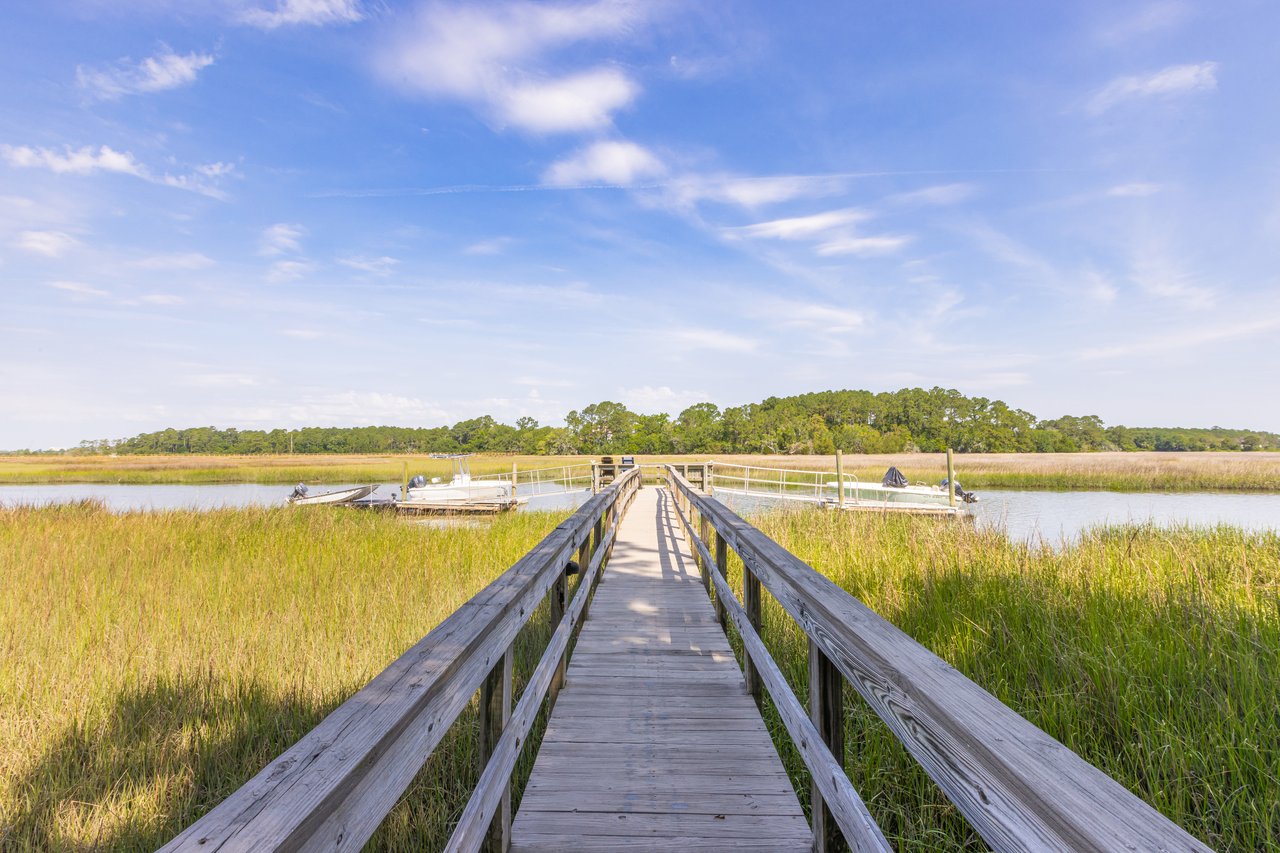
- Tidal creek: You usually drive or bike to beach access. The payoff is direct boating and paddling from private docks or a community landing where permitted.
- Oceanfront: You step onto the sand in minutes. Sunrise walks, quick swims, and barefoot trips become part of your routine.
Views and sound
- Tidal creek: You watch tides shift and marsh grasses glow. Expect birdlife and occasional boat sounds. The soundscape is generally quiet.
- Oceanfront: You get an open horizon with steady surf and wind. Weather feels close, and the ocean soundtrack is constant.
Wildlife and nature
- Tidal creek: You are likely to see wading birds, marsh fish, crabs, and sometimes dolphins in the creeks. Mosquito levels can rise seasonally near marsh zones.
- Oceanfront: You may see shorebirds, pelicans, and dolphins offshore. Kiawah beaches support coastal dunes and seasonal sea turtle nesting.
Outdoor living
- Tidal creek: Outdoor spaces often frame the water and trees. Docks, kayaks, fishing, and sunset cruises shape your afternoons.
- Oceanfront: Decks and terraces face the dunes. Outdoor showers, beach gear storage, and sand-to-patio flow make entertaining easy.
Maintenance and risk factors
Salt and materials
Salt exposure touches every home on Kiawah. Oceanfront properties see more direct salt spray and wind, while creekside homes remain in a saline environment. You should favor coastal-grade materials in both settings, such as corrosion-resistant fasteners, marine-grade metals, composite or treated decking, fiber cement siding, sealed trim, and elevated HVAC systems. Expect shorter service intervals on exterior lighting, metal railings, and window hardware due to corrosion.
Elevation and flood risk
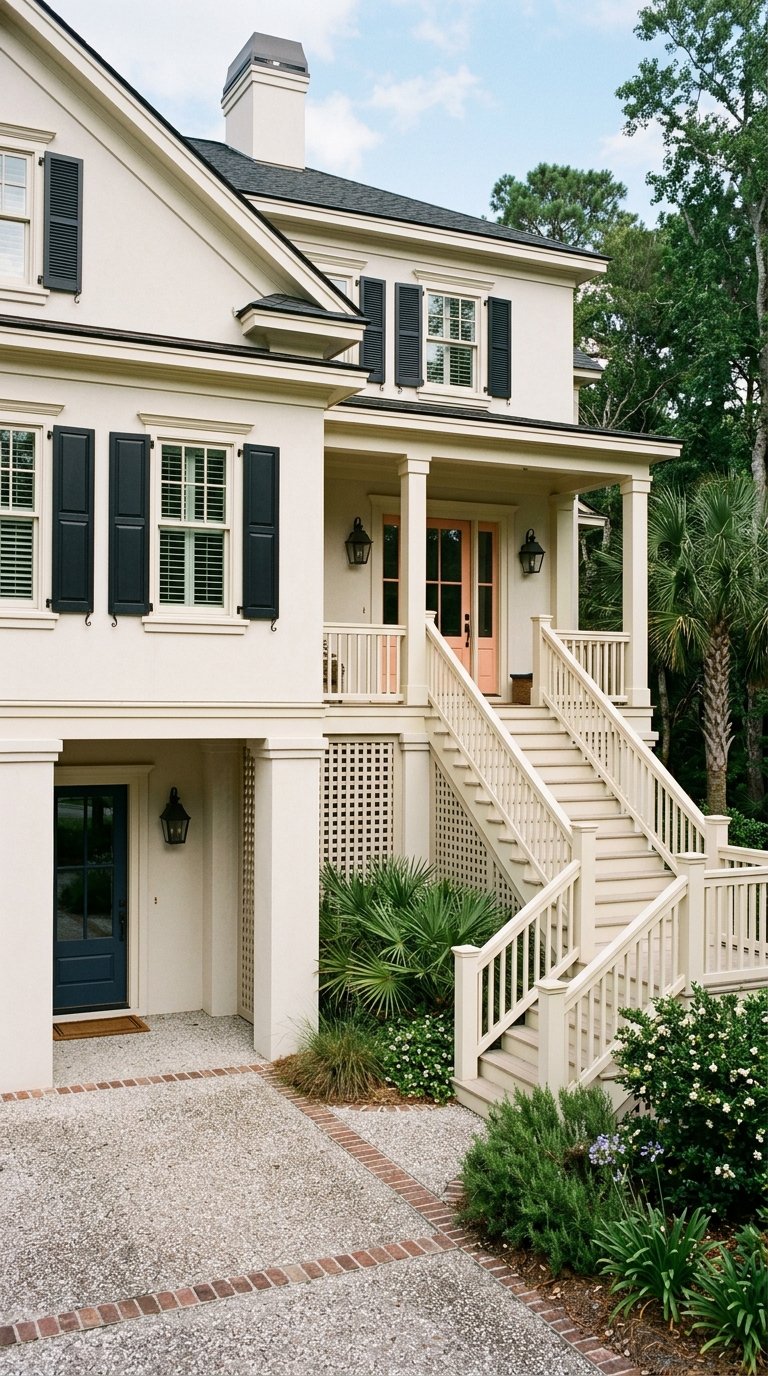
Both property types can fall within FEMA flood zones. Oceanfront lots often sit in VE zones where wave action drives design and insurance decisions. Creek properties may be in AE or V zones depending on elevation and local tide influence. Elevated construction on piles, breakaway walls where required, and shoreline measures are normal for Kiawah. Oceanfront parcels often rely on dune stewardship and sand fencing, while creekside lots may consider living shorelines or permitted stabilization.
For parcel-specific risk, review FEMA Flood Insurance Rate Maps, request an elevation certificate, and consider storm surge and sea-level trends. On a barrier island, overwash and dune migration can occur during major storms, and tidal creeks respond differently to surge and sediment.
Insurance considerations
Flood insurance is commonly required by lenders and priced by zone, elevation, and community factors. Wind and hurricane coverage often carries named-storm deductibles. Oceanfront premiums can differ from creekfront due to wave exposure and dune context. Always request quotes early in due diligence and compare coverage terms.
Routine upkeep
- Oceanfront: Plan for frequent exterior cleaning, painting or staining, deck maintenance, and management of windblown sand. Dune care may be part of your responsibilities.
- Tidal creek: Budget for dock inspections and maintenance, riparian vegetation care, and landscape planning for a marsh setting. Verify sewer versus septic.
Rules and permits
Shoreline and dock work typically requires permits from state and federal agencies, along with island and county approvals. Kiawah has governance and conservation rules, and many areas follow architectural review. Beach and dune areas can include easements. Verify deed descriptions before you plan any modifications.
Costs, pricing, and resale
Market patterns
Oceanfront homes typically command a premium because of direct beach access and iconic views. Tidal creek homes also sell at strong prices, especially with deep water dockage or navigable access. If you prioritize immediate beach living, oceanfront demand may support resale. If you value boating, privacy, and sunsets, creekfront appeal remains strong.
Rental use
Short-term rental policies vary by neighborhood association and club or resort rules. Oceanfront locations often perform well for vacation demand, while creek homes attract guests who value privacy and water access. Confirm local rules and permissions before you project income.
Ongoing costs
Both settings carry higher-than-average coastal maintenance. Oceanfront owners may face higher exterior upkeep and insurance due to direct wave exposure. Creekside owners plan for dock upkeep and marsh-adjacent landscape care. Utilities, sewer or septic, and community services all affect operating budgets, so verify property records during due diligence.
Club and amenity context
Kiawah’s premium neighborhoods often relate to club and resort amenities. Access to certain facilities is tied to membership and subject to current policies. Proximity to club features can shape your daily routine, but benefits depend on your membership status. Review membership options early and confirm guest and rental policies if you plan to host family or visitors.
Buyer checklist for Kiawah
Questions to ask
- What FEMA flood zone and Base Flood Elevation apply to the parcel?
- What is the elevation of the lowest occupied floor relative to BFE?
- Are there recorded easements for beach access, walkovers, utilities, or dune areas?
- What permits are required for docks, bulkheads, shoreline work, or exterior changes?
- Is the home tied to a club area or subject to membership requirements?
- Is there any recorded loss or insurance claim history?
Inspections to order
- Structural inspection with attention to piles, signs of rot, scour, or corrosion.
- Marine contractor inspection of docks, pilings, and boatlifts.
- HVAC review for elevation, corrosion, and service records.
- Roof and exterior envelope inspection for flashing, seals, and coatings.
- Elevation certificate review and flood and wind insurance quotes.
- Survey and title review for setbacks, easements, and shoreline boundaries.
- Environmental and shoreline impact review if you plan shore work.
Try before you buy
- Visit sample homes on calm and windy days, during high and low tide, and after rain.
- Note sound levels, surf presence, and privacy at different times of day.
- Check mosquito levels around the marsh in warmer months.
- Talk with neighbors about seasonal patterns like boat traffic or rental turnover.
Which lifestyle fits you?
Choose tidal creek if you crave privacy, boat or paddle access, and a calming marsh panorama that shifts with the tides. Pick oceanfront if the beach is your everyday playground and you want endless horizon views with an effortless connection to the sand. Both deliver signature Kiawah living in a protected coastal environment.
If you want a confident, low-stress path to a decision, we can help you line up tours, compare flood zones and elevation data, and model ownership costs so you can choose with clarity. Ready to explore Kiawah’s best creekfront and oceanfront homes? Connect with Tricia Peterson to schedule a private consultation.
FAQs
Is oceanfront more private on Kiawah?
- Oceanfront offers open views and easy beach access, but you are more likely to see beach activity nearby. Tidal creek homes typically feel more sheltered with fewer passersby.
Which has higher maintenance on Kiawah?
- Both are coastal. Oceanfront often needs more exterior work due to salt spray and wind, while creekfront adds dock and marsh-edge upkeep. Materials and maintenance planning are key in both.
How do storms impact oceanfront vs creek homes?
- Oceanfront lots face direct wave action and dune change, while creek parcels can see storm surge and backwater flooding. Elevation, pile design, and setbacks matter more than the label alone.
Can you add a dock to any Kiawah creek lot?
- Not automatically. Docks and shoreline structures require permits from multiple agencies and must comply with island and neighborhood rules. Confirm feasibility before you buy.
Do both areas require flood insurance?
- Many properties fall within FEMA flood zones where lenders require flood insurance. Premiums depend on zone, elevation, and coverage details. Always obtain quotes during due diligence.