Torn between two great Charleston islands for your next home or getaway? You are not alone. Sullivan’s Island and Isle of Palms sit side by side, yet they feel very different day to day. In this guide, you’ll compare lifestyle, access, housing, and practical details so you can choose with confidence. Let’s dive in.
Quick feel at a glance
- Sullivan’s Island: A quieter, residential island with historic cottages, tree‑lined streets, and a strong neighborhood feel. Expect fewer rentals and a local rhythm.
- Isle of Palms: A livelier, resort‑oriented beach town with more condos, public beach amenities, and a larger seasonal visitor scene.
Both are within roughly a 20 to 30 minute drive of downtown Charleston in normal traffic, with times that vary by route and season.
Community character and lifestyle
Sullivan’s Island: Residential rhythm
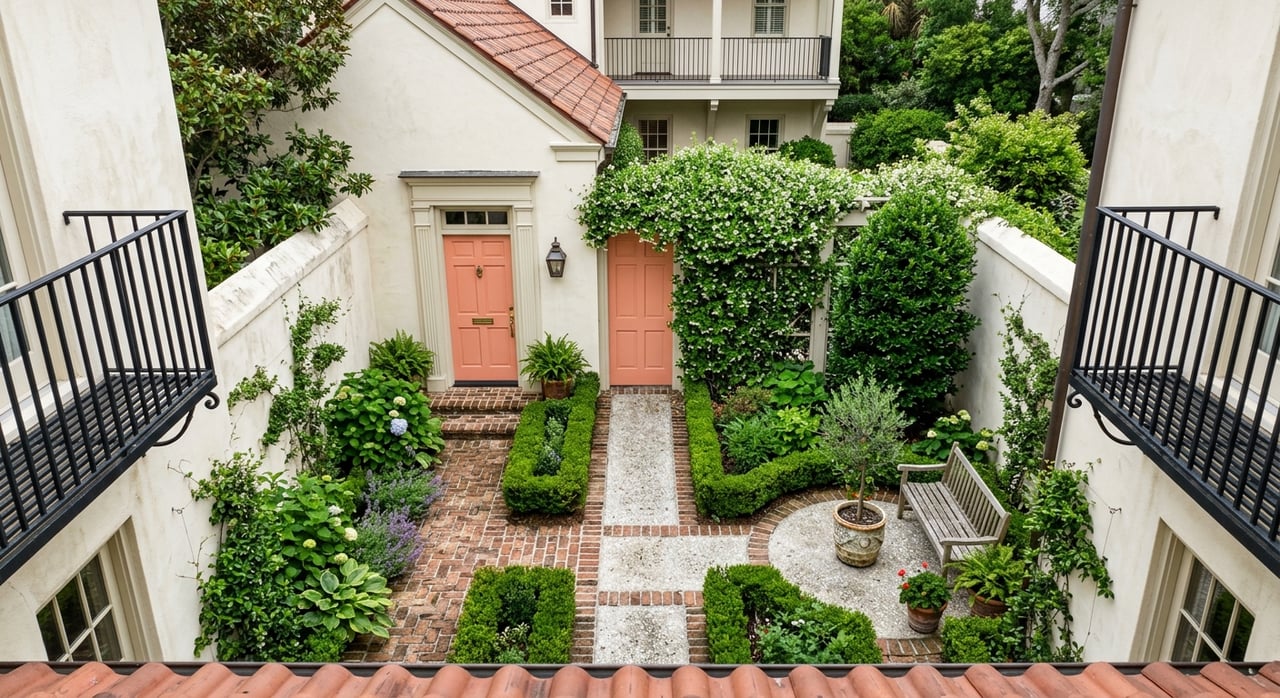
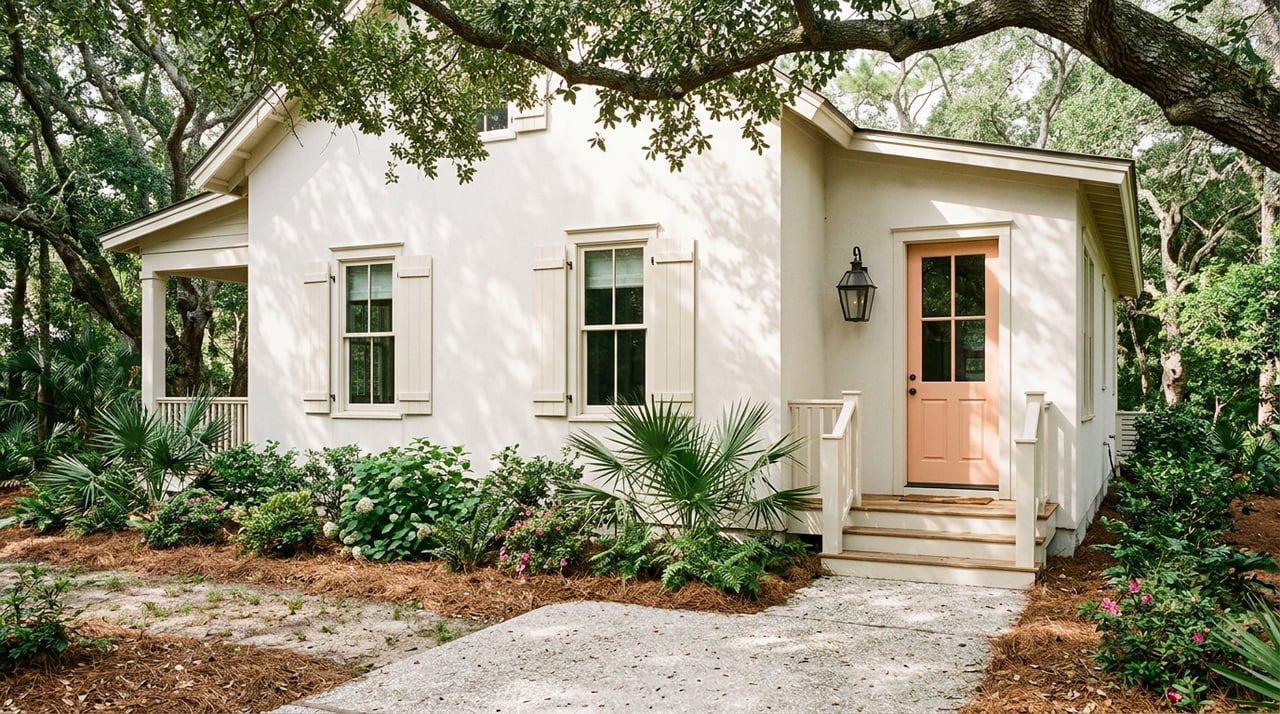
Sullivan’s Island feels like a small coastal town. Most streets are narrow and shaded, with single‑family homes and historic cottages. Community life is active through local civic groups, and the tone is calm in the evenings. You will notice people walking and biking more than seeking nightlife.
Best for: If you want a long‑term neighborhood vibe and a quieter pace, this island fits.
Isle of Palms: Resort energy
Isle of Palms welcomes more visitors, especially in summer. You will see a mix of single‑family homes, townhomes, and many condos, including resort properties. The main corridors have more beach‑day activity, entertainment, and visitor‑oriented services. Evenings can feel livelier near public beachfronts and commercial areas.
Best for: If you enjoy an active beach scene or plan to host visitors often, this island fits.
Dining and daily convenience
Sullivan’s Island
Dining is small and concentrated, with a handful of locally owned restaurants and casual spots. It feels intimate and neighborly. For full grocery runs and most errands, residents typically drive to Mount Pleasant.
Isle of Palms
You will find more on‑island options oriented to beachgoers, including beachfront eateries and convenient stops for quick items. For bigger lists, most residents still head to Mount Pleasant for supermarkets and larger retail. The everyday experience is easier for casual bites and quick supplies without leaving the island.
Beach access and amenities
Sullivan’s Island
Beach access points blend into residential streets. The shoreline is popular with locals for walking, birding, and relaxed family time. There are fewer large public parking areas and limited commercial amenities, which keeps the beach feel quieter. Surfing is common near Breach Inlet, and dune protection is visible along many stretches.
Isle of Palms
Public beach access is a standout feature. Several major access points and a county park offer seasonal lifeguards, restrooms, parking, and concessions. It is easier for day visitors to get to the beach, and many rental guests rely on these amenities. Expect higher visitor volumes and organized public activity in peak season.
Getting around: golf carts, bikes, and traffic
Both islands have visible golf‑cart use, but the culture differs. On Sullivan’s Island, the narrow, residential streets and strong bike‑and‑walk habits shape how people move around. On Isle of Palms, golf carts are more common in the resort and rental scene.
If you plan to use a golf cart, verify local ordinances, permit needs, route and speed restrictions, and insurance requirements with each town. Consider where you will charge and store the cart at your property. Also note seasonal traffic and parking patterns on weekends and holidays.
Housing and rental orientation
Sullivan’s Island
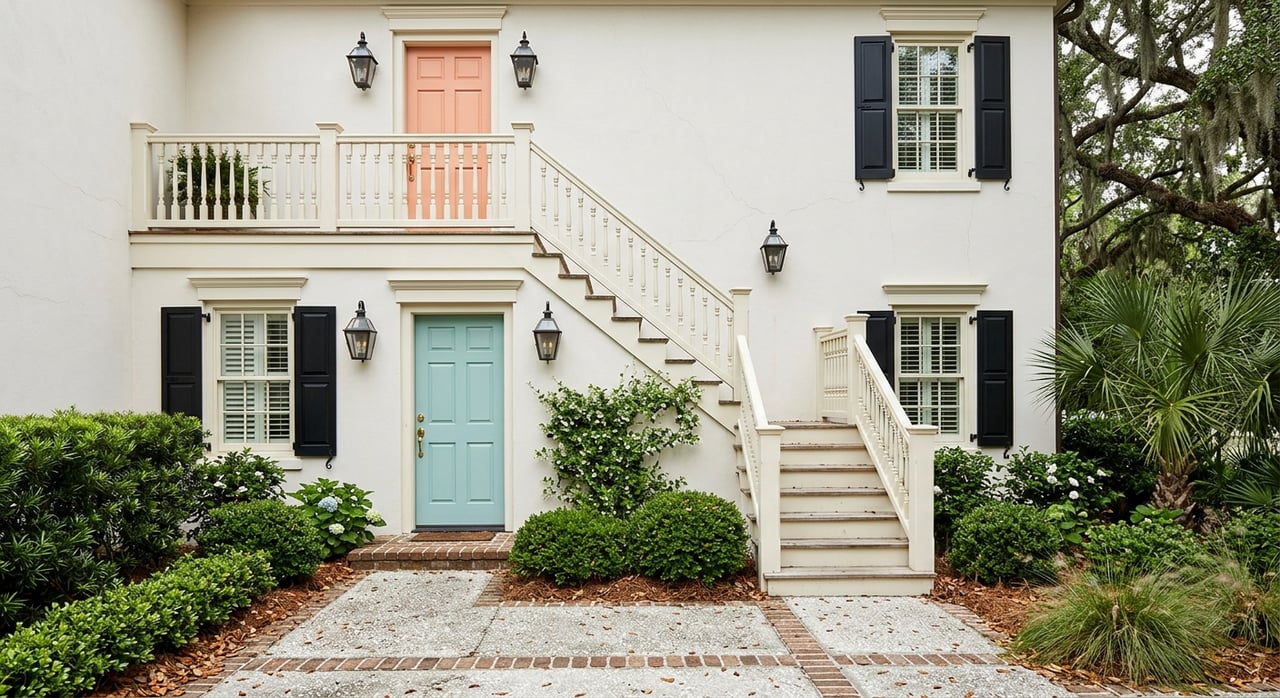
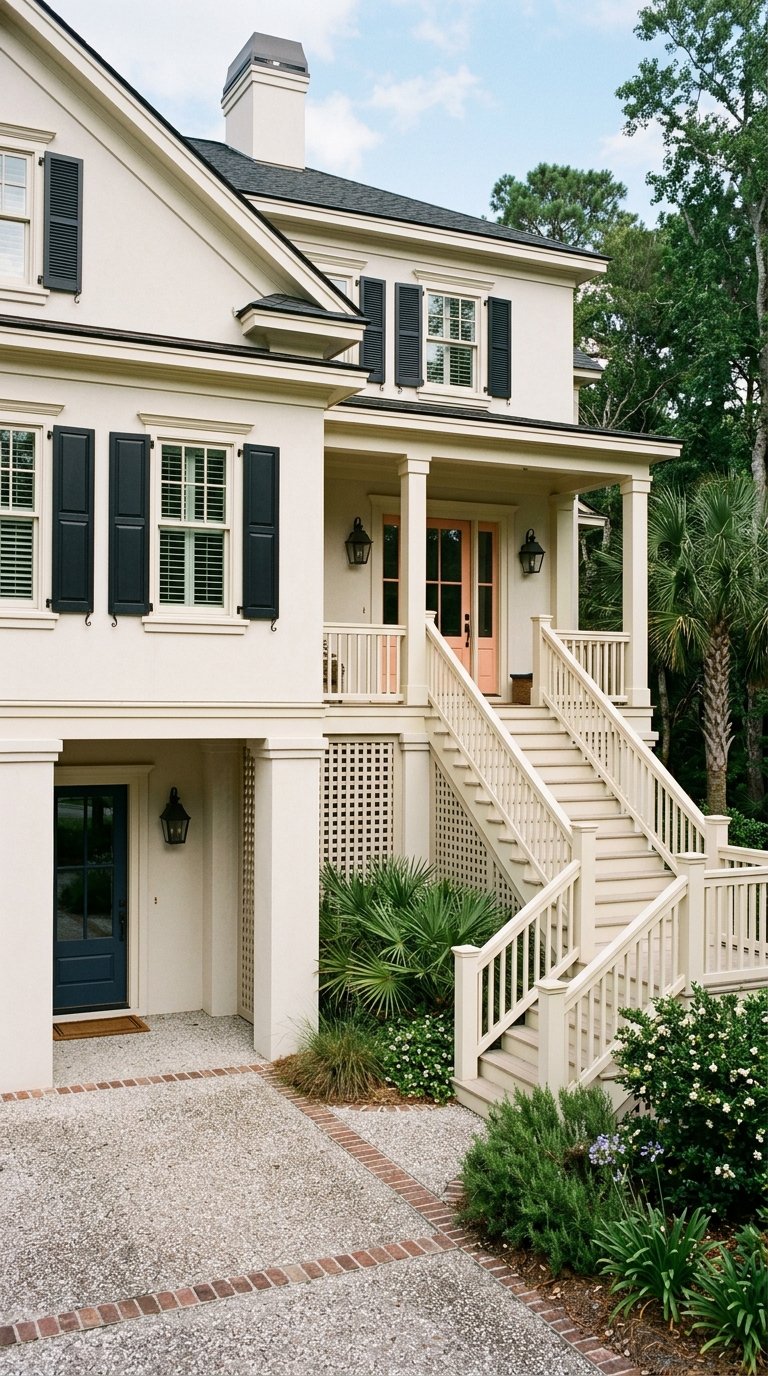
Homes lean historic and high‑end, with many elevated single‑family properties. The island’s scarcity and preservation mindset often mean higher price‑per‑square‑foot. Short‑term rentals are more limited and closely watched by the community. If your goal is a primary residence or legacy second home, this island aligns well.
Isle of Palms
Housing options are broader, including beachfront condos, resort‑area properties, and single‑family homes. Many units are set up for vacation use and rental management, and you will find more options that are turnkey for periodic stays. If rental revenue potential is a priority, this island offers more choices. Always confirm short‑term rental rules and HOA guidelines by property.
Everyday practicality: schools, healthcare, commute
- Shopping and errands: Both islands rely on Mount Pleasant for full supermarkets, big‑box retail, and many services.
- Healthcare: Primary and emergency care are off‑island, with similar proximity from both islands to Mount Pleasant and Charleston facilities.
- Schools: Public school attendance zones are set by Charleston County School District. Confirm zoning and transfer policies for a specific address before you buy.
- Commuting: Expect seasonal congestion during summer weekends and holidays. Both islands connect to Mount Pleasant via a bridge or connector, then to US‑17.
- Connectivity: Broadband and cell service are strong in many areas on both islands. Check providers and speeds by address.
Which island fits you? Decision checklist
- Lifestyle goal
- Prefer a quieter neighborhood rhythm and strong community identity? Choose Sullivan’s Island.
- Want an active beach environment with more visitor energy? Choose Isle of Palms.
- Property type
- Seeking a single‑family home or historic cottage to customize? Sullivan’s Island offers more of these.
- Want a lock‑and‑leave condo or resort‑managed unit? Isle of Palms has more options.
- Rental strategy
- Planning short‑term rentals? Verify town ordinances, HOA rules, and realistic occupancy with local managers.
- Prioritize personal use over rentals? Both islands work, with Sullivan’s Island leaning more residential.
- Maintenance and risk
- Both islands are coastal. Review elevation, flood zones, storm‑hardening, and insurance quotes for each address.
- Access and time
- Commuting to Charleston regularly? Test drive times during rush hour and peak season.
- Pets and beach use
- Each town sets leash and seasonal beach rules. Review current ordinances if dogs are part of your routine.
- Community expectations
- Sullivan’s Island generally has stricter design and code oversight. If you plan exterior work, understand review timelines.
How to compare in person: a smart tour plan
Before you go
- Check for events or beach festivals that may affect access and parking.
- Bring a notepad, camera, tape measure, and your short list of addresses.
- Ask your agent to arrange tours and a quick briefing on short‑term rental rules, utilities, and typical maintenance costs.
- Try to visit the islands twice: a weekday in the off‑season and a weekend in peak months.
Sullivan’s Island: 3 to 4 hour route
- Arrival and slow drive loop
- Note street widths, shade canopy, drainage, and the feel of each block.
- Watch for residential parking rules and speed limits.
- Walk Middle Street and the main commercial stretch
- Observe dining density, hours, and parking. Notice how residents handle everyday needs and errands.
- Beach walk and Breach Inlet viewpoint
- Check sand width, public access paths, and signs of dune protection. Get a sense of typical beach crowd levels.
- Residential property showings
- Tour single‑family homes or cottage conversions that fit your budget and style.
- Ask about historic overlays, design review, and permit timelines for renovations.
- Evening snapshot
- Return during a typical evening to gauge traffic and noise near your target blocks.
Isle of Palms: 3 to 4 hour route
- Arrival and main drag orientation
- Drive the oceanfront corridors to understand condo clusters, public access points, and parking.
- County park and lifeguarded access zone
- Walk the public beach area. Note seasonal lifeguards, bathrooms, concessions, and parking capacity.
- Resort area preview
- If the resort zone interests you, look at golf, marina, and owner amenities. Ask about HOA or resort rules that affect owners.
- Condo and single‑family showings
- Compare HOA dues, special assessments, and rental management options.
- Evening and weekend feel
- Gauge crowd levels and nightlife near commercial nodes.
What to watch for on both islands
- Parking near the beach and commercial areas during peak times.
- Street character: sidewalks, lighting, bike lanes, and any pooling after rain.
- Signs of rental activity, management company presence, and for‑rent signage.
- Noise sources, including municipal events and connector road traffic.
- Beachfront conditions: dunes, seawalls, and any signs of recent nourishment.
- Proximity to emergency services and visible town rules or ordinances.
Next steps
Choosing between Sullivan’s Island and Isle of Palms comes down to how you want to live and use your home. If you prioritize a residential, historic vibe and a strong sense of neighbors, Sullivan’s Island will likely feel right. If you want resort conveniences, public beach amenities, and more rental flexibility, Isle of Palms may be the better fit.
When you are ready, partner with a local team that knows both islands block by block. Island House Real Estate offers private consultations, remote video tours, relocation coordination, and project management if your home needs a refresh before or after closing. Start with a conversation and a custom tour plan with Tricia Peterson.
FAQs
What is the main difference between Sullivan’s Island and Isle of Palms?
- Sullivan’s Island feels more residential and quiet, while Isle of Palms has a livelier, resort‑oriented scene with more public beach amenities and condos.
Are short‑term rentals allowed on both islands?
- Rules vary by town and by property or HOA. Expect tighter limits and scrutiny on Sullivan’s Island and more options on Isle of Palms. Always verify current ordinances before you buy.
How long does it take to reach downtown Charleston from either island?
- In normal traffic, plan roughly 20 to 30 minutes from either island, with actual times varying by route and season.
Do both islands allow golf carts on public streets?
- Both islands have golf‑cart use, but ordinances, permits, routes, and insurance requirements differ. Confirm the latest rules with each town before purchasing or renting a cart.
Where do residents do full grocery shopping and errands?
- Most residents on both islands drive to Mount Pleasant for supermarkets and larger retail, using smaller on‑island markets for quick items.