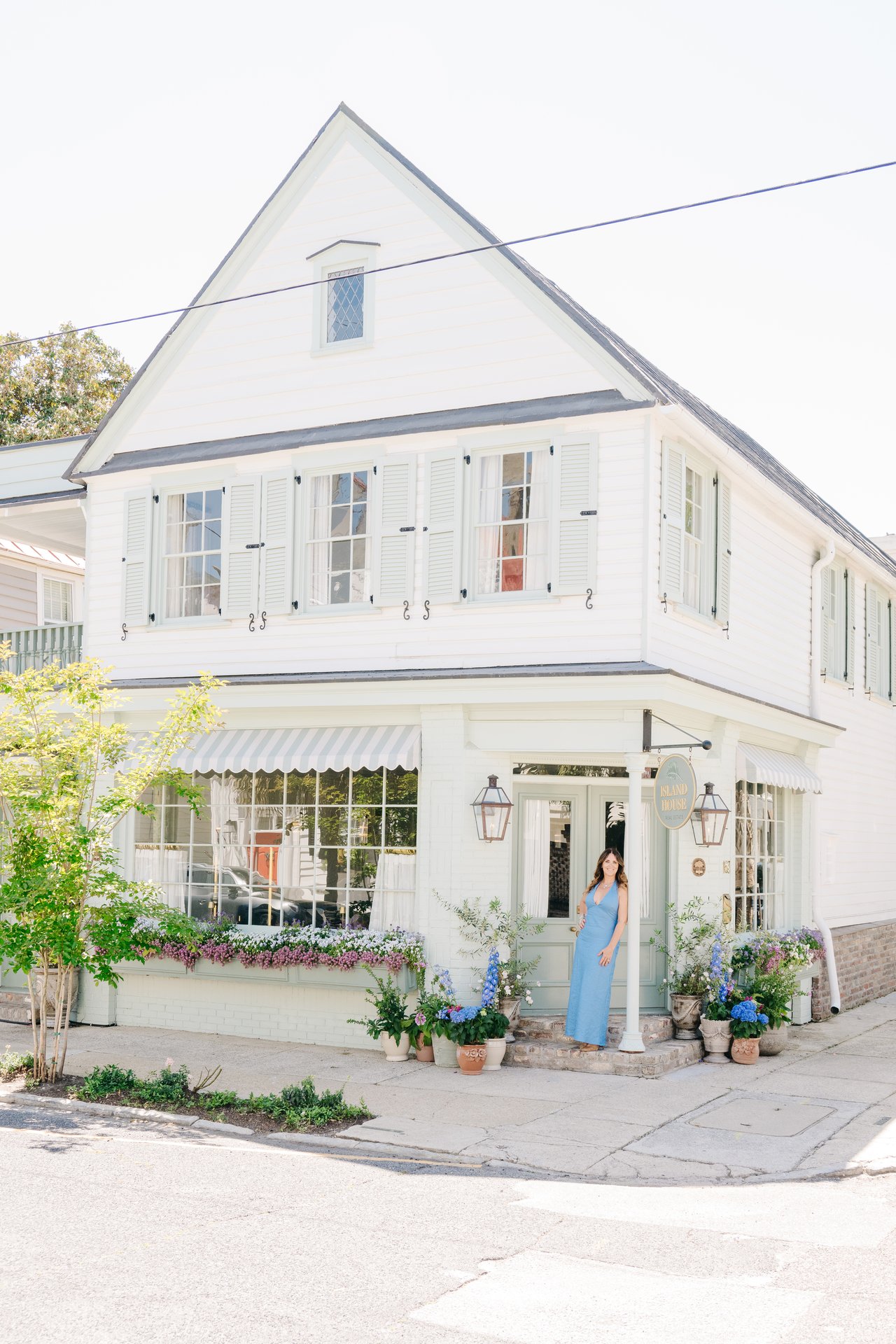
Ever wondered why so many Charleston homes seem to hide their front doors along a side porch? If you are drawn to downtown’s charm, spotting the cues behind each façade helps you read the story of a street quickly. Whether you are relocating or simply love architecture, knowing the basics can make touring homes easier and negotiations smarter. In this guide, you will learn how to recognize key Charleston styles, what their layouts feel like day to day, and what to expect for maintenance, insurance, and approvals. Let’s dive in.
Downtown Charleston in a snapshot
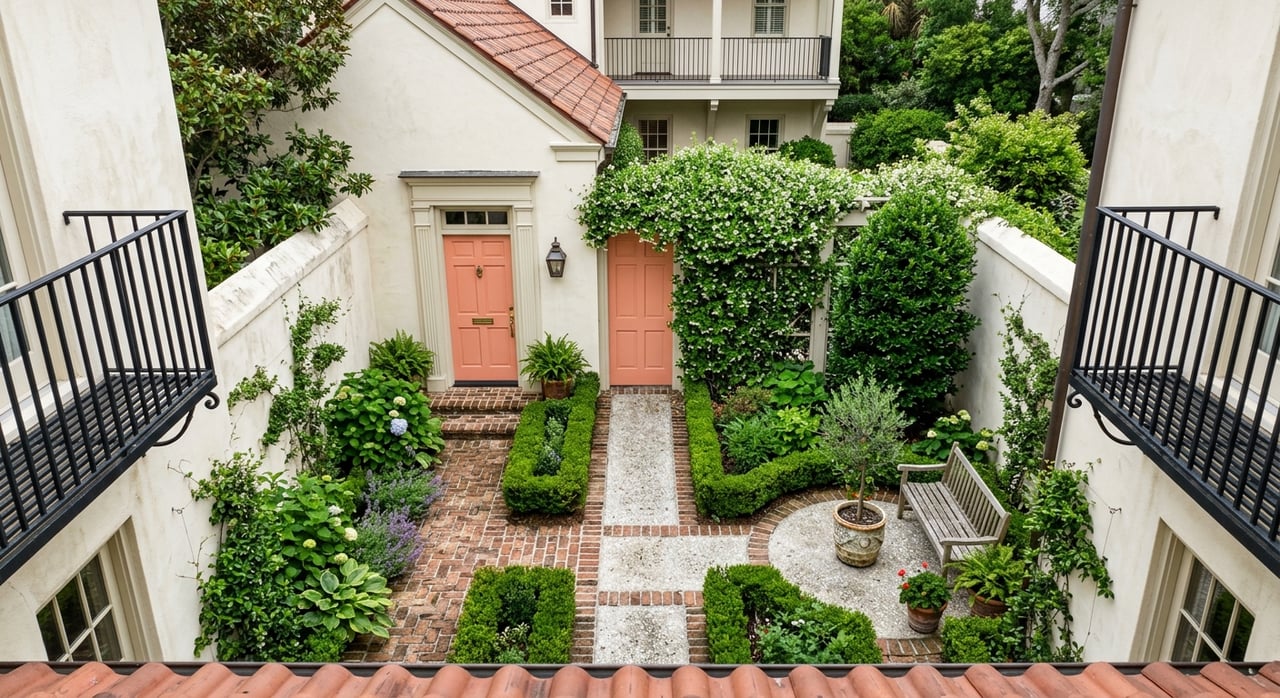
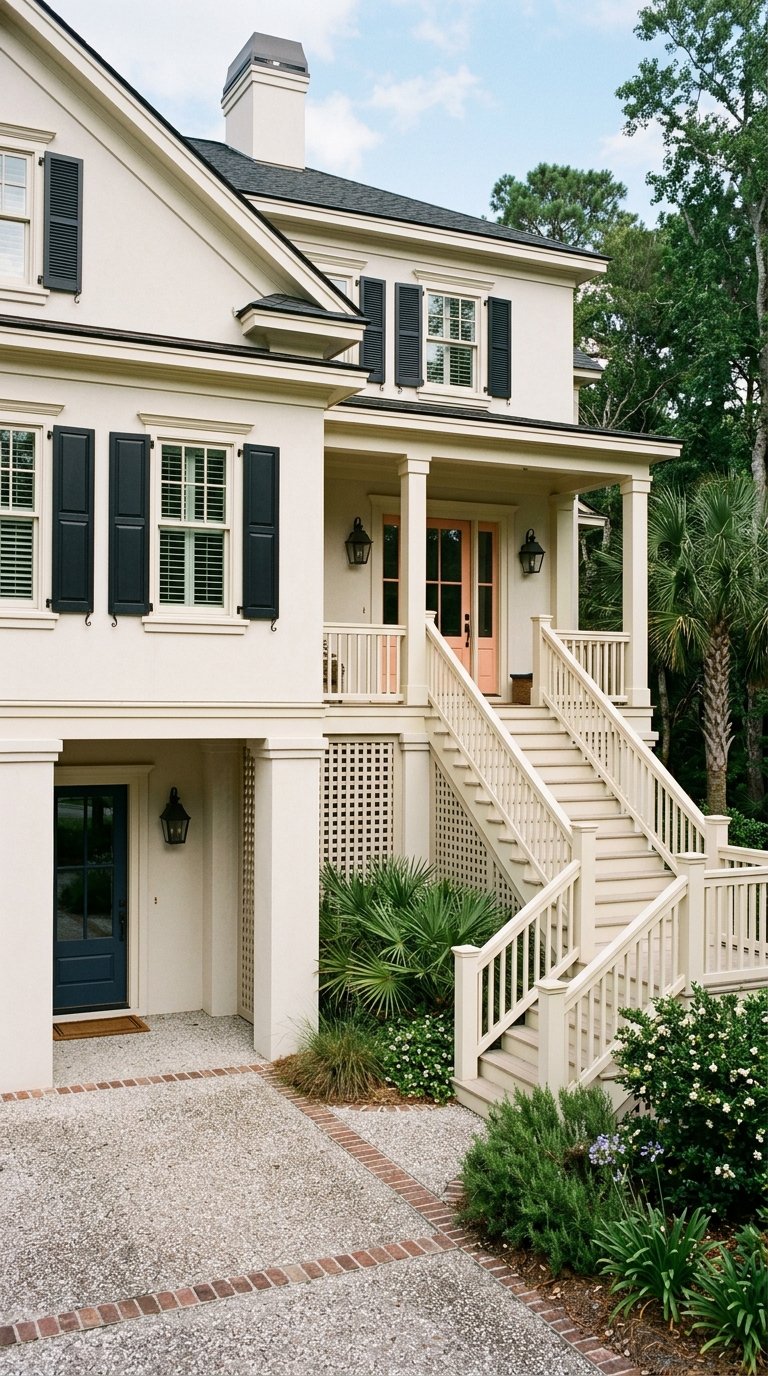
Downtown Charleston grew from the colonial era through the 20th century, which is why you see a tight mix of Georgian, Federal, Greek Revival, Italianate, and later Victorian and revival styles on the peninsula. Narrow lots and a compact grid shape how homes sit and how you experience light, airflow, and outdoor space. Many houses were designed for a warm, humid coastal climate, so you will notice raised foundations, high ceilings, and long side porches called piazzas that catch sea breezes.
Much of the peninsula lies within locally designated historic districts and the National Register-listed Charleston Historic District. In these areas, exterior changes and demolition usually require review by the City of Charleston’s Board of Architectural Review, often called the BAR. Downtown is also low-lying, so flood-zone status, elevation, and insurance are common parts of due diligence.
The Charleston Single House, simply explained
The Charleston single house is the city’s signature house type. Once you learn its cues, you will spot them everywhere.
- Visual identifiers:
- A narrow face to the street, with the long side running back along the lot.
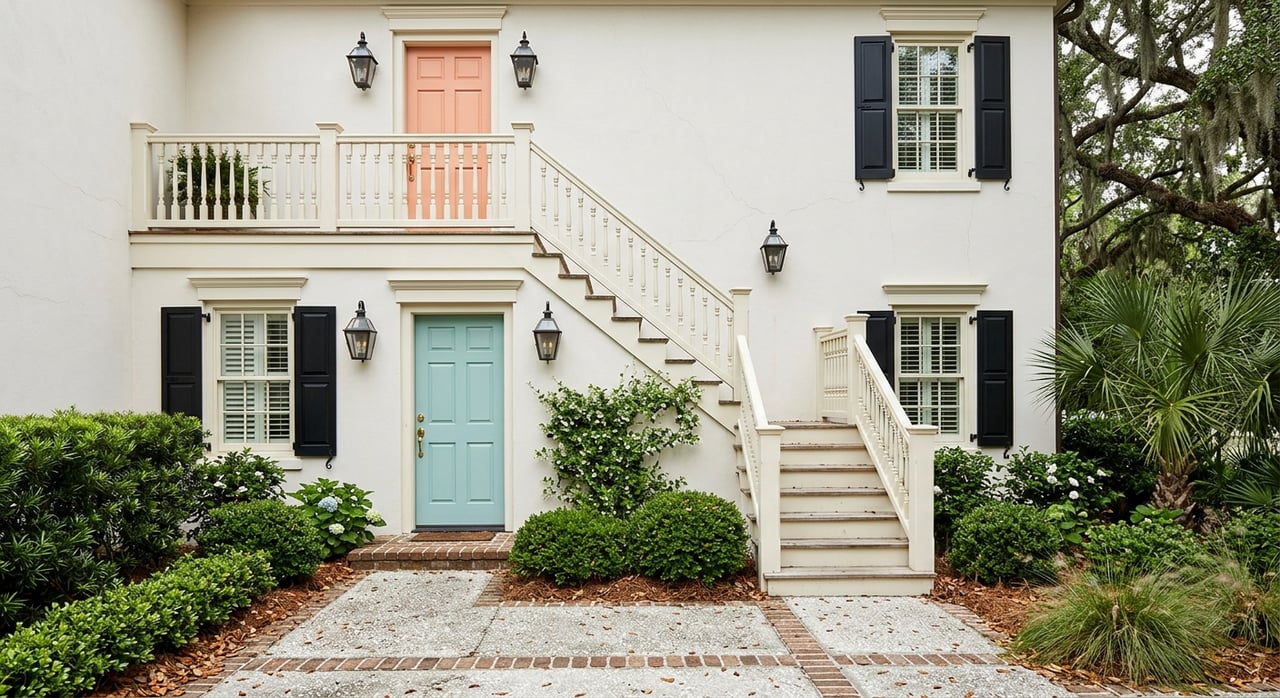
- A side piazza, often two stories, that functions as the main outdoor room.
- A front door that opens to the piazza rather than the street façade.
- Tall, narrow windows along the long side, with fewer openings on the short street face.
- Typical layout: One room wide with rooms stacked front to back, plus a side hall and stair. The piazza serves as the main circulation and living space in mild weather.
- Materials and orientation: Many are wood frame with clapboard siding on brick foundations or piers, with shutters and wooden staircases. Piazzas often face south or west to capture prevailing breezes.
- Maintenance to expect: Routine painting, rot inspection, and termite monitoring are part of life with exposed wood, elevated porches, and stairs. Older raised foundations and piazza structures may need periodic structural attention.
Other common house types
Double house
A downtown double house faces the street directly and reads as symmetrical. You will often see a balanced façade with a central entry and evenly spaced windows. Inside, a central hallway splits rooms on both sides, creating a deeper plan than a single house. Exteriors can be brick or wood, with tall ceilings and formal parlors toward the front.
Rowhouses, cottages, and detached forms
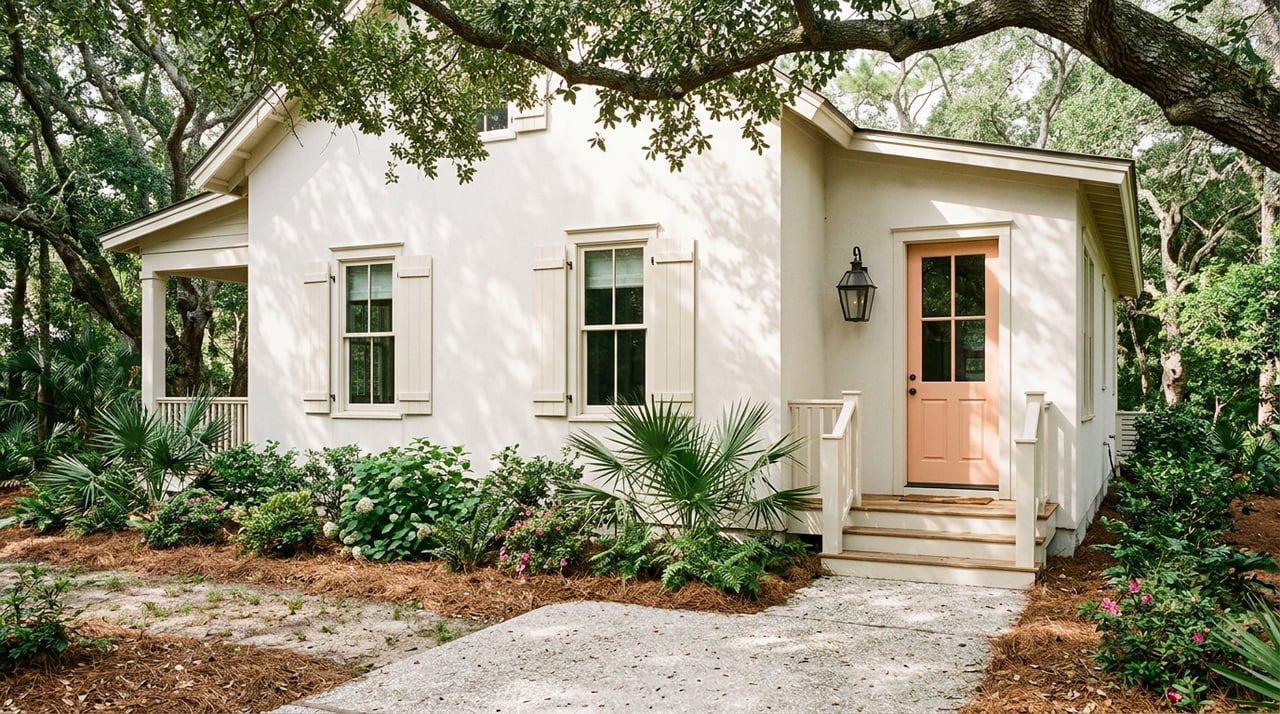
You will find attached or closely spaced rowhouses and small cottages scattered across downtown. These can carry elements from several styles, depending on when they were built or later altered. Pay attention to roof shapes, window types, and door surrounds to help place them in a period.
Style guide at a glance
Use this quick reference to recognize the major downtown styles and what they often signal.
Georgian (18th century)
- Look for symmetry, a paneled central door with a classical surround, and multi-pane sash windows, often six-over-six. Roofs are typically hipped or side gabled.
- Brick is common for higher-end examples, sometimes with tabby foundations in Lowcountry settings. Many Georgian houses were later updated with Victorian details, so do not be surprised by blended features.
Federal, also called Adamesque (circa 1780–1830)
- Details get lighter and more refined compared with Georgian. Doors often feature fanlights or elliptical transoms with sidelights. Window and trim proportions feel slender and elegant.
- Plans often mirror the Georgian double-house layout, but the decoration is more delicate.
Greek Revival (circa 1825–1860)
- Think of Greek temple cues adapted to townhouses and detached homes. You will see bold cornices, gabled pediments, and full-height columns or pilasters, sometimes Doric or Ionic.
- Charleston examples often use painted wood for columns and siding, with strong horizontal trim around doors and windows.
Italianate (circa 1840–1885)
- Low-pitched or flat roofs with wide overhanging eaves and decorative brackets are the giveaway. Windows are tall and narrow, often arched or topped with hood moldings.
- Expect ornate cornices and sometimes cast-iron balconies or railings. Brick and wood are both used.
Queen Anne and Late Victorian (circa 1880–1910)
- These homes love variety. Look for asymmetry, turrets or towers, textured wall surfaces like fish-scale shingles, and porches with turned posts and spindlework.
- You will see more of this in certain pockets downtown and in nearby neighborhoods, though there are fine examples on the peninsula.
Colonial Revival and Neoclassical, plus later revivals (late 19th to mid 20th century)
- These styles return to classical symmetry and references, sometimes with modernized floor plans. A house may look early American at a glance yet be a later reinterpretation.
- Many older houses were altered during revival periods, so façades can reflect tastes from different eras.
Materials that tell a story
- Tabby and brick: Along the peninsula, you may see tabby, a historic mix of oyster-shell lime, in foundations, garden walls, or outbuildings. Brickwork appears in traditional bonds such as Flemish or English, which can help date elements.
- Cast iron: Decorative iron fences, railings, and balconies are a hallmark of 19th-century urban Charleston.
- Windows and openings: Shutters, transoms, fanlights, and tall sash windows reflect style and climate. Larger openings help with light and cross-breezes, especially when paired with high ceilings and piazzas.
What style means for daily living
Layout and materials affect how a home feels and functions.
- Light and air: Single houses often have excellent cross-ventilation along the long side, which pairs with high ceilings to shed heat. Double houses offer broader rooms on both sides of a center hall, which can feel more formal.
- Outdoor space: Piazzas act like second living rooms. If you entertain outdoors or want a shaded retreat, the piazza is a big advantage.
- Privacy and street presence: A single house downplays the street façade and hides its main entrance along the side porch. A double house has a more frontal presentation, which can be helpful for greeting guests or deliveries.
Due diligence for historic homes downtown
Older homes reward careful inspection. Before you write an offer, plan a thorough review.
- Inspection team to consider:
- Historic-home specialist or structural engineer for sagging floors, pier conditions, and framing.
- Pest and termite inspection, since subterranean termites are a local risk.
- Moisture and mold evaluation for rising damp, gutter leaks, or flashing failures.
- Chimney and roof assessment for age-related wear.
- Documentation to request:
- Records of past repairs and renovations.
- Permits and, if applicable, BAR approvals for exterior work within historic districts.
Maintenance and cost realities
Historic features are durable but need attention.
- Wood and paint: Expect recurring painting and selective wood repair on exteriors, window sashes, and porches.
- Foundations and masonry: Brick piers and older masonry may require repointing or stabilization.
- Systems: HVAC, electrical, and plumbing are often retrofitted. Verify capacity, code compliance, and remaining useful life.
- Specialty repairs: Historic windows, decorative ironwork, and detailed trim are more costly to repair than modern equivalents. Pest mitigation is a recurring line item in the Lowcountry.
Flood zones, insurance, and elevation
Downtown Charleston includes FEMA-designated flood zones. That means flood risk and elevation should be part of your planning.
- What to review:
- Current flood-zone designation and any available elevation certificate.
- Existing flood insurance policies and premiums, whether through NFIP or private carriers.
- Resilience improvements such as raised utilities, flood vents, or flood-resistant materials. In historic districts, some upgrades may need design review.
BAR review, approvals, and timelines
In local historic districts, exterior changes, additions, and sometimes demolition are typically reviewed by the City’s Board of Architectural Review. This can affect scope, materials, and timing.
- What to expect:
- Exterior work often requires BAR review before permitting. Interior changes are generally less regulated, but structural and mechanical work still needs permits.
- Factor added time and potential cost for design revisions and approved materials.
- Some rehabilitations may qualify for tax incentives, usually for income-producing properties. Work with qualified advisors to evaluate eligibility.
Authenticity and past alterations
Many downtown houses evolved over centuries. You may see Victorian trim on an older Georgian façade or a piazza enclosure from a later era. Catalog what is original, what is later, and what matters most for your goals. This will guide restoration priorities and help you plan for costs.
How to read listings like a local
Certain words tell you a lot before you ever step inside.
- Helpful keywords:
- “Single house,” “double house,” “piazza,” “parlor,” “tabby,” “Flemish bond,” “transom,” “fanlight,” “historic district.”
- Look for mentions of BAR approvals or preservation easements, and note phrases like “protected façade” or “subject to BAR review.”
- Showing checklist:
- Exterior: siding, porch supports, railings, shutters, and foundation. Note any visible deferred maintenance.
- Systems: age and capacity of HVAC, electrical, plumbing, and sewer laterals. Confirm permits for recent work.
- Water and pests: any history of flooding, standing water, chronic dampness, or termite activity.
- Alterations: which exterior changes or additions have BAR approval. Confirm there are no unresolved code or preservation issues.
- Insurance and flood: current premiums and documentation such as an elevation certificate if available.
Who to hire for a smooth purchase
- Inspector with historic-building experience.
- Preservation-minded architect or contractor who knows BAR processes and local methods.
- Structural engineer for foundations, framing, and settlement questions.
- Real estate attorney or specialist if a preservation easement or unusual permitting issue exists.
Quick visual ID tips on the street
- Single house: narrow face to street, long side with a piazza, door onto the porch.
- Greek Revival: strong cornices, gabled pediments, and big columns or pilasters.
- Federal: elegant fanlight and sidelights at the entry, slender details.
- Italianate: bracketed eaves, tall narrow windows, decorative cornice.
- Queen Anne: asymmetry with varied textures, sometimes a turret or tower.
Putting it together
Once you understand Charleston’s core house types and style cues, you can assess a property faster and with more confidence. You will see how a piazza might shape everyday living, where maintenance is likely to show up, and how local review can influence your plans. Pair that knowledge with careful inspections, flood and insurance checks, and a team fluent in historic work, and you are set up for a graceful downtown purchase.
When you are ready to explore historic and in-town homes with a steady, expert guide, connect with Tricia Peterson for a private consultation. From curated tours to renovation planning and vendor introductions, you will have a boutique, concierge-style partner by your side.
FAQs
What is a Charleston single house versus a double house?
- A single house is one room wide with a side piazza and narrow street face, while a double house faces the street symmetrically with a center hall and rooms on both sides.
How does BAR review impact exterior renovations downtown?
- In local historic districts, exterior changes often require Board of Architectural Review approval, which can shape materials, design, and timelines before permits are issued.
What flood considerations should I plan for in downtown Charleston?
- Review flood-zone status, an elevation certificate if available, and current flood insurance; consider resilience upgrades, keeping in mind that some may need design review.
Are historic tax credits available for homes in the district?
- Certain rehabilitations may qualify for federal or state credits, usually for income-producing properties, so consult qualified advisors on eligibility and scope.
What maintenance costs are common with historic downtown homes?
- Expect periodic painting and wood repair, masonry repointing or stabilization, system updates, pest control, and specialty work on windows, porches, and ironwork.
How can I tell if a property is in a local historic district?
- Listings often note historic-district status, and you can confirm with city resources; if in a district, plan for BAR review on exterior work.