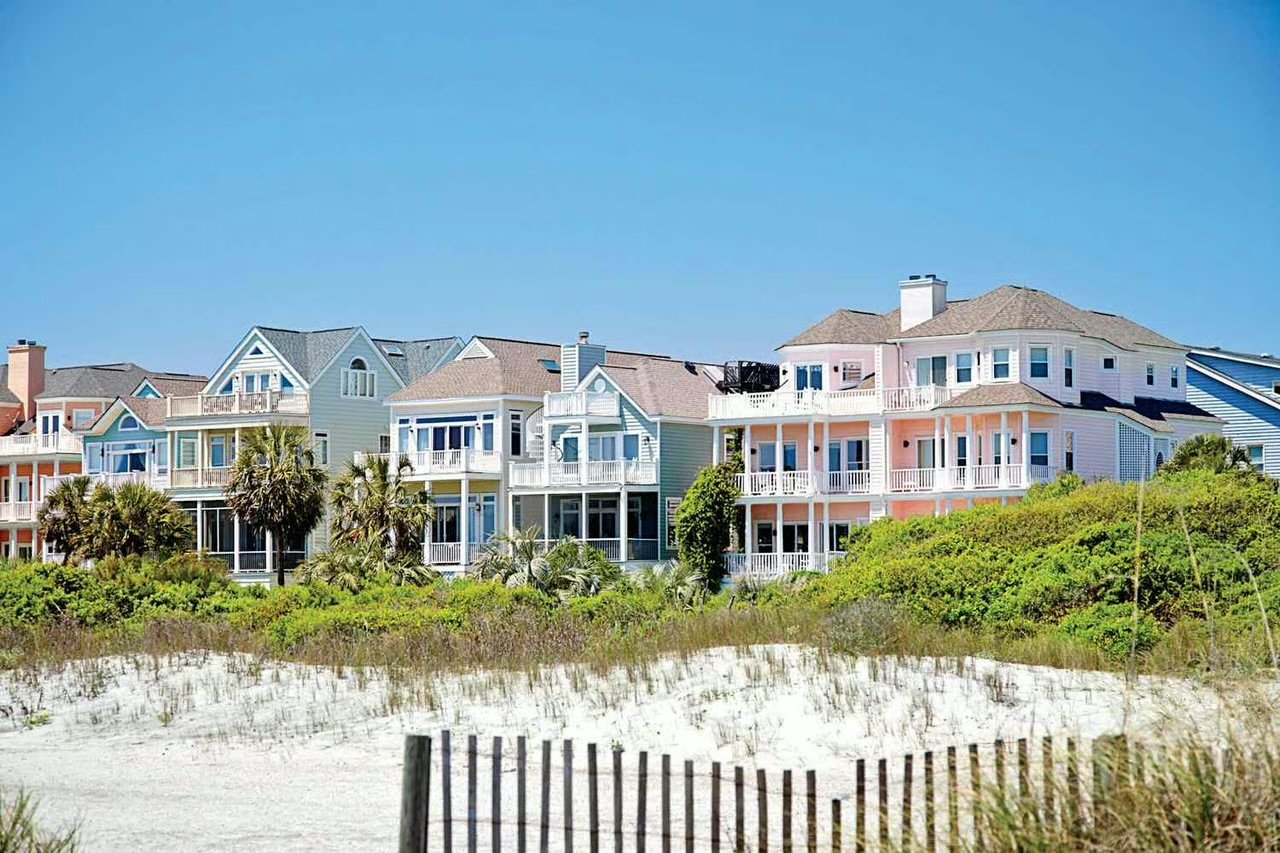
If you picture beach living as a nonstop vacation, full-time life on Isle of Palms may surprise you in the best way. This small barrier-island city offers daily access to the coast, boating, recreation, and a quieter off-season rhythm that feels more residential than resort-driven. If you are weighing a move here, it helps to understand both the lifestyle perks and the practical realities before you buy. Let’s dive in.
Isle of Palms at a Glance
Isle of Palms is a compact coastal city with 4,347 residents, 2,043 households, and about 4.4 square miles of land, according to the U.S. Census Bureau. That smaller scale shapes everyday life in a big way. You are not moving into a sprawling suburb. You are choosing a close-knit island setting where the beach, marina, and outdoor routines play a central role.
For many buyers, that is exactly the appeal. Full-time living here tends to feel intentional and lifestyle-driven, with a strong connection to the shoreline and a more limited footprint for on-island services. The island often works best for people who want a residential beach setting and feel comfortable relying on nearby Mount Pleasant for many day-to-day needs.
What Year-Round Living Feels Like
One of the biggest differences between visiting Isle of Palms and living here full time is the seasonal rhythm. City communications describe the cooler months as noticeably quieter, with fewer crowds and a slower pace. That shift can make fall and winter especially appealing if you want a calmer coastal routine.
You still have access to the same natural setting, but the atmosphere changes. Summer brings more activity, tighter parking management, and more beach traffic. Paid parking at municipal lots and Front Beach on-street spaces is enforced from March 1 through October 31, which reflects just how much the island’s pace changes by season.
For full-time residents, this often means getting the best of both worlds. You can enjoy the energy of summer when friends and family visit, then settle into a quieter everyday pattern once peak season passes.
Beach Access Is a Real Lifestyle Perk
If beach access is high on your list, Isle of Palms stands out. The city says there are more than 50 beach access paths, which gives residents a level of access that many beach communities cannot match. That convenience can shape everything from your morning walk to your after-work routine.
At the same time, beach use is carefully managed. Driving on the beach or access paths is prohibited, and parking rules around Palm Boulevard and Front Beach are specific. Some public rights-of-way remain free, but signage, spacing, and angle-parking rules are strict.
That structure is part of full-time living here. You are not just buying near the beach. You are buying into a shoreline environment with clear rules meant to manage heavy seasonal use.
Beach Rules Matter Daily
The beach is a major amenity, but it comes with rules that residents need to know well. Glass, alcoholic beverages, smoking and vaping on the beach and beach access paths, motorized vehicles on the sand, fireworks, open fires, and overnight storage of beach gear are prohibited.
Dogs are allowed on the beach year-round, which is a major plus for many full-time residents. However, leash and off-leash hours change by season, so it is important to understand the current rules if pets are part of your daily routine. Sleeping on the beach is also prohibited.
These details may sound small, but they shape how island life works in practice. Living on Isle of Palms is relaxed in feel, but it is not unregulated.
Boating and Recreation Expand Daily Life
For many buyers, full-time living on Isle of Palms is about more than beach access. Boating is a meaningful part of island life, and the city marina adds another layer to the lifestyle. The marina includes 50 slips, a double-wide public boat ramp, floating docks, city water, cable TV, Wi-Fi, and showers for transient boaters.
The public dock is free to use from sunrise to sunset and supports kayaking, paddleboarding, fishing, and sunset viewing. Residents with a valid resident decal can park free at the marina site, which adds practical value if you use the water often.
If you enjoy structured recreation, the island also offers strong options. Wild Dunes includes two Tom Fazio-designed golf courses and 36 holes of championship golf, while The Club at Wild Dunes offers golf, tennis, pickleball, pools, dining, shopping, and spa access. The city recreation center adds another year-round outlet with a bark park, cardio room, courts, ballfields, and a resident-donated library.
Mainland Access Shapes Convenience
Living on a barrier island always raises one key question: how easy is it to get on and off the island? On Isle of Palms, that answer is fairly straightforward. The city says the island is served by two routes: SC 703 via Sullivan’s Island and the Ben Sawyer Bridge, and SC 517, the Isle of Palms Connector, which provides a direct fixed-span connection to Mount Pleasant.
That mainland connection matters because Mount Pleasant functions as the practical service base for many everyday needs. Major shopping and healthcare are largely off-island, even though the beach lifestyle is firmly on-island. For many residents, this balance makes island life feel connected rather than isolated.
The city also points drivers to SCDOT 511 traffic cameras at the connector and the connector and Rifle Range Road intersection, and it encourages beachgoers to avoid peak traffic hours. In simple terms, access is good, but traffic management is part of the experience, especially in busier months.
Everyday Errands and Services
For shopping, Mount Pleasant Towne Centre is one of the main mainland destinations nearby. For healthcare access, MUSC Health East Cooper Medical Pavilion and Roper St. Francis Mount Pleasant Hospital provide major medical services off-island.
On the island itself, public services are fairly complete for a city of this size. The Public Services Department handles garbage, yard debris, beach maintenance, drainage, street signs, and right-of-way grooming. Water and sewer are managed by a separate commission.
For a full-time resident, this setup often feels manageable and predictable. You get the benefits of island living without being fully cut off from larger service hubs.
The Tradeoffs of Barrier-Island Ownership
Every barrier-island market comes with tradeoffs, and Isle of Palms is no exception. The same features that make the island special also require a bit more planning and flexibility. That is especially true if you are moving from a more conventional suburban setting.
Traffic patterns, parking rules, storm readiness, and beach regulations all have a bigger role in daily life here than they might in other locations. For many buyers, those are acceptable tradeoffs for the setting and lifestyle. Still, they should be part of your decision-making from the start.
Flood and Storm Planning
The city states that Isle of Palms is a low-elevation barrier island in or near a flood plain. It participates in the National Flood Insurance Program, and new construction and substantial improvements must meet flood-zone elevation standards.
This is not a minor footnote for ownership. Flood awareness, insurance planning, and hurricane readiness are part of living here full time. The city also notes that after a storm, access may be limited following a mandatory evacuation, and residents may need current re-entry credentials.
If you are considering a purchase, these are the kinds of practical details worth understanding early. They do not make island ownership less appealing, but they do make preparation more important.
Parking and Resident Logistics
Parking management is another everyday consideration. The city now manages parking through PCI Municipal Services and uses digital decals. Part-time resident owners in the resident parking district can register up to four permits, and each residence can apply for two visitor permits per year.
Even for full-time owners, that system shows how carefully beach access and parking are managed. If you expect frequent guests, or if easy visitor parking is important to your lifestyle, it is smart to understand the rules tied to a specific property location.
Who Is a Good Fit for Full-Time Living Here?
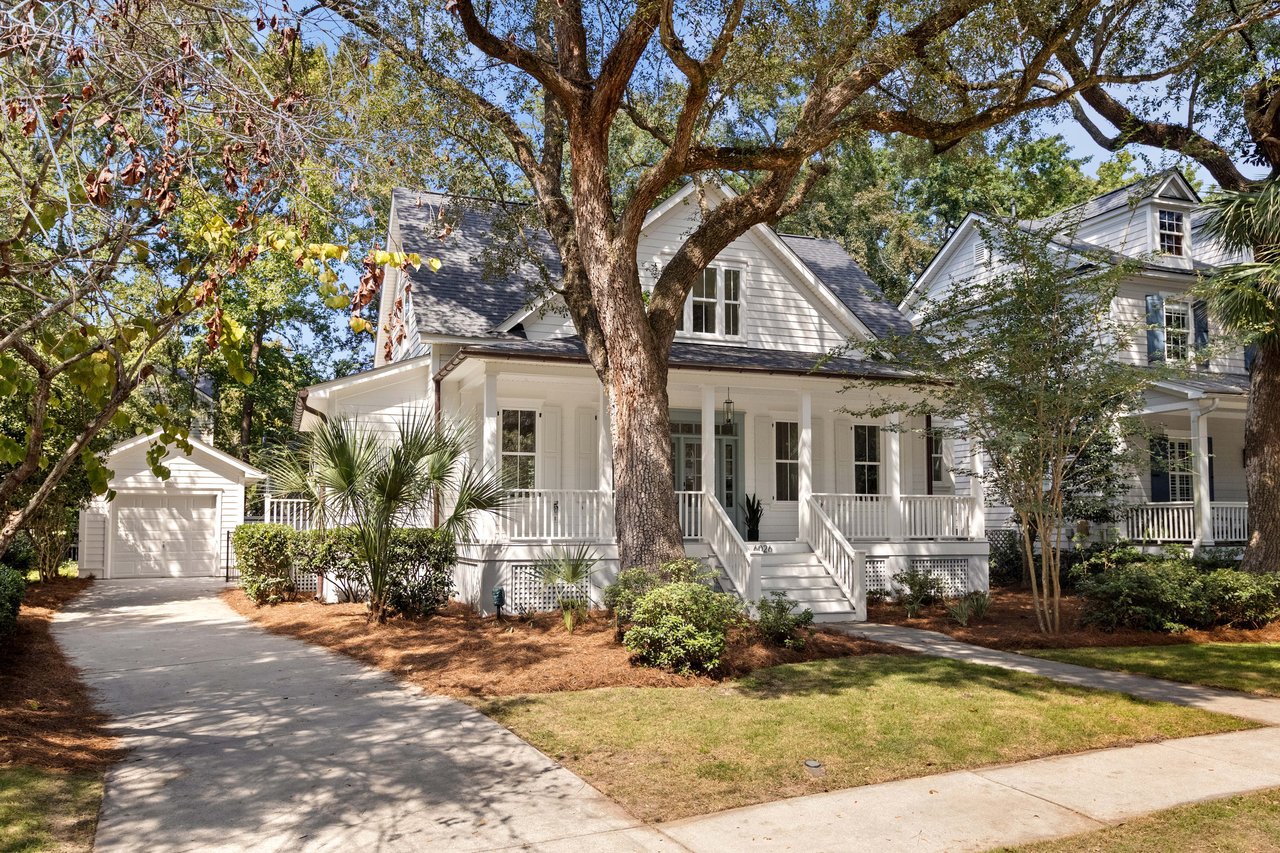
Isle of Palms tends to be a strong fit if you want your home life to revolve around the coast. Buyers who value beach access, boating, club amenities, and a smaller residential setting often find the island especially appealing. The lifestyle can feel polished but still relaxed, with daily routines shaped by the water and the seasons.
It may be less ideal if you want a highly convenient suburban setup with most services right around the corner. Here, the trade is different. You gain an exceptional coastal environment, but you also take on the realities of island traffic, storm planning, and a more regulated shoreline.
For the right buyer, that balance is exactly what makes full-time living on Isle of Palms so compelling. The island offers a distinct way of living that feels connected to nature, structured by community rules, and supported by nearby mainland conveniences.
If you are thinking about making Isle of Palms your primary home, the right guidance can help you match the lifestyle to the property, location, and ownership details that matter most. For a private conversation about island homes and full-time coastal living, connect with Tricia Peterson - Island House Real Estate.
FAQs
What is full-time living on Isle of Palms like during the off-season?
- Full-time living on Isle of Palms is typically quieter in fall and winter, when crowds thin out and the island takes on a slower, more residential pace.
How does beach access work for Isle of Palms residents?
- Isle of Palms has more than 50 beach access paths, but residents still need to follow city rules related to parking, access points, and beach use.
What daily services are available near Isle of Palms?
- Many major shopping and healthcare needs are handled in nearby Mount Pleasant, while on-island public services include garbage, yard debris, drainage, beach maintenance, and related city functions.
What should buyers know about flood risk on Isle of Palms?
- Buyers should know that Isle of Palms is a low-elevation barrier island in or near a flood plain, so flood insurance, elevation standards, and storm planning are important parts of ownership.
Is Isle of Palms a good fit for year-round residents?
- Isle of Palms can be a strong fit if you want beach, boating, and recreation in a small coastal setting and are comfortable with seasonal traffic, parking rules, and storm preparedness.